
Polycystic Ovarian Syndrome
Symptoms and Treatment

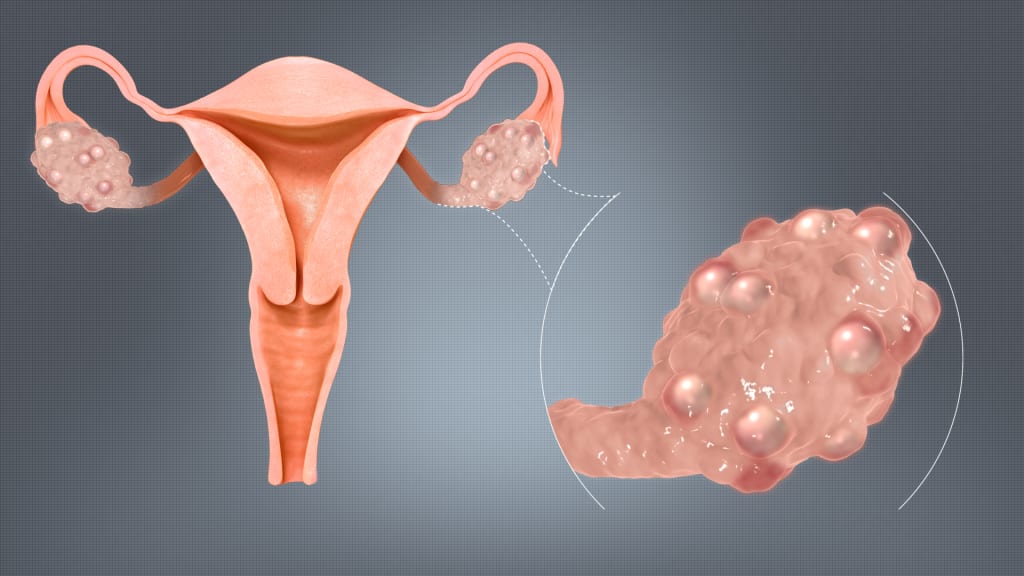
If you’ve recently been diagnosed with Polycystic Ovarian Syndrome (PCOS), it’s natural to have many questions and worries. What exactly is PCOS, why does it happen, how does it affect your periods and fertility, and most importantly, what can you do to manage it?
PCOS is one of the most common health conditions among women, affecting about 1 in 10 worldwide. Yet, so many women feel overlooked or left without answers because they remain undiagnosed or misdiagnosed. Understanding this condition is key—not only to ease symptoms but also to prevent long-term complications through lifestyle changes and proper management.
What is PCOS?
Polycystic Ovarian Syndrome (PCOS) is a health condition that affects the ovaries, the organs responsible for releasing eggs each month. In PCOS, the normal balance of hormones gets disrupted, which can lead to several changes in how the ovaries work.
Here’s what usually happens with PCOS:
- Irregular ovulation – The ovaries may not release an egg every month, which makes periods unpredictable.
- Higher male hormones (androgens) – Women naturally have small amounts of these hormones, but in PCOS, they are higher than normal. This can cause issues like acne or extra hair growth.
- Enlarged ovaries with small sacs (follicles) – These sacs contain eggs that don’t fully develop or get released. On an ultrasound, this can look like many tiny “cysts,” though they are actually immature eggs.
In short, PCOS is not just about the ovaries—it’s about a hormone imbalance that affects both your reproductive system and overall health
What are the Symptoms?
Not all women with Polycystic Ovarian Syndrome (PCOS) experience the same symptoms. The signs vary depending on how severe the condition is, but these are the most common:
- Irregular Periods: Periods may come too far apart, too close together, or not at all. Some women skip months, while others may have heavy or prolonged bleeding.
- Difficulty Getting Pregnant: PCOS often causes infrequent or absent ovulation (egg release), which makes conception harder. This is why infertility is a common concern among women with PCOS.
- Excess Hair Growth (Hirsutism): Many women develop unwanted hair on the face, chest, stomach, or back due to higher levels of androgens (male hormones like testosterone).
- Acne and Oily Skin: High androgen levels also increase oil (sebum) production, which clogs pores and leads to persistent, hard-to-treat acne. An article on Harvard Medical School states that women with PCOS are more likely to develop acne.
- Thinning Hair on the Scalp: Some women notice hair loss or thinning on the top of the head (similar to male-pattern baldness).
- Weight Problems: PCOS often makes it difficult to lose weight, even with diet and exercise. Many women develop belly fat (central obesity) linked to insulin resistance.
- Dark Patches of Skin: Areas such as the neck, armpits, or groin may develop dark, velvety patches (acanthosis nigricans), which are signs of insulin resistance.
- Mental Health Issues: Living with PCOS can take an emotional toll. Symptoms like acne, hair changes, or weight struggles often lead to low self-esteem, anxiety, or depression.
Click and read more about PCOS. We'll explain PCOS in simple terms, highlight common symptoms, and share practical steps to manage and reduce complications. You're not alone - knowledge is the first step toward feeling more in control.
About the Creator
Keep reading
More stories from Tinsae Zelalem and writers in Families and other communities.
Teletherapy vs. In-Person Therapy
In recent years, mental health care has changed dramatically. Traditionally, therapy meant sitting face-to-face with a psychologist in an office, but today, therapy delivered through phone calls, video sessions, or online platforms is becoming the new norm. That is called teletherapy.
By Tinsae Zelalem6 months ago in Families



Comments
There are no comments for this story
Be the first to respond and start the conversation.