
Why Young Pakistanis Are Turning to Matrimonial Websites for True Love
Matrimonial Websites for True Love

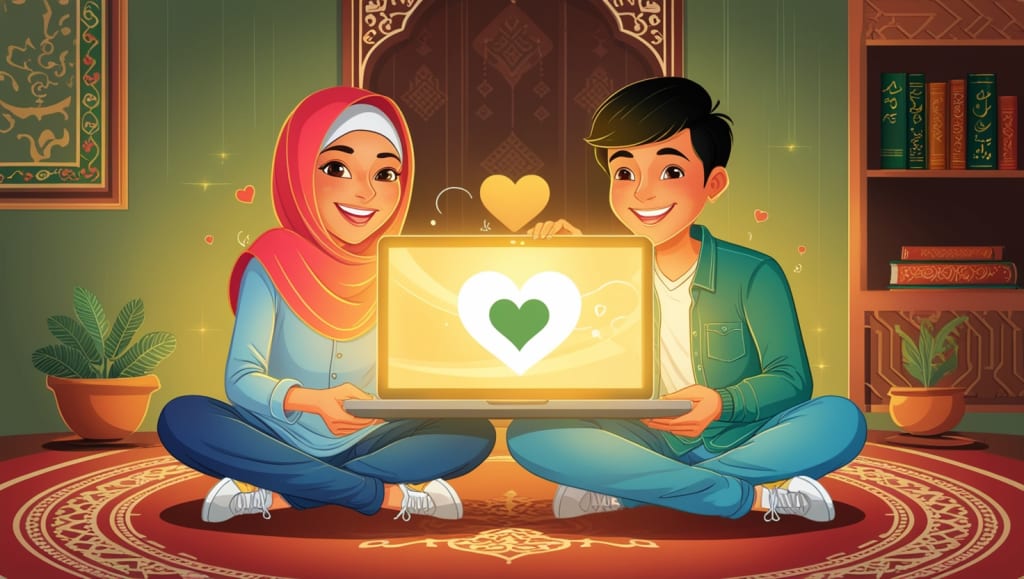
In a country deeply rooted in traditional customs and familial values, the idea of using the internet to find a life partner might seem unorthodox. Yet, more and more young Pakistanis are shifting toward matrimonial websites, not just to comply with societal expectations but to seek genuine, heartfelt connections. This cultural shift reflects a broader narrative of transformation, where digital innovation intersects with age-old traditions. Let's explore why so many young adults in Pakistan are choosing these platforms to find not just a spouse—but true love.
The Evolution of Marriage in Pakistan
Traditional Arranged Marriages
For decades, marriage in Pakistan has largely been arranged. Families took the reins in matchmaking, often consulting relatives, family friends, or the trusted “rishta aunty.” Compatibility was measured by family status, wealth, religious practices, and sometimes, astrology. Love was supposed to follow marriage, not precede it.
But this method wasn’t always ideal. Many individuals found themselves with little to no voice in choosing their life partner. Emotions and preferences were often dismissed under the weight of familial duty and societal pressure. This approach, though culturally accepted, sometimes led to mismatched marriages and emotional disconnect.
Changing Cultural Dynamics
Pakistan’s urban youth today are more exposed to global ideas through education, social media, and increasing interactions with diverse cultures. They desire more than just compatibility on paper—they want emotional chemistry, shared values, and mutual respect. This has given rise to a new form of matchmaking, one where individuals want control over their choices while still honoring cultural boundaries.
There's also a growing awareness about mental health, emotional intelligence, and the importance of mutual understanding in a long-term relationship. This mindset shift has urged the younger generation to explore alternatives beyond the traditional system, leading many toward the digital realm of matrimonial websites.
The Digital Revolution in Matchmaking
Rise of Matrimonial Websites in Pakistan
Platforms like SimpleRishta.com, Shaadi.com, PakistanMatrimonial, and Muzmatch have gained massive popularity among Pakistani millennials and Gen Z. These websites and apps have simplified the once-cumbersome process of rishta searching by bringing it online. With a few clicks, users can explore potential matches from across the globe, all while sitting in their living rooms.
What’s driving their success? These platforms offer personalized profiles, advanced filters for religious sects, education level, professional background, and even appearance. The traditional process has now transformed into a more accessible, customizable, and efficient system, thanks to these digital solutions.
From Rishta Aunties to Online Profiles
While rishta aunties are still around, their role is rapidly diminishing. They often work with limited data, have biases, and charge hefty fees for services that may not deliver results. On the flip side, matrimonial websites allow users to present themselves authentically, complete with bios, interests, and photographs.
Young Pakistanis feel more empowered when they can review options themselves, assess profiles based on their personal priorities, and engage in initial conversations without third-party interference. It's matchmaking redefined—less awkward meetings, more informed decisions.
Why the Youth are Shifting to Online Platforms
Autonomy and Personal Choice
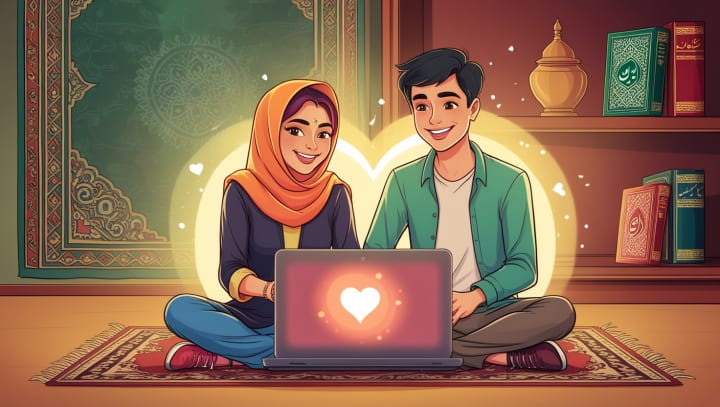
Perhaps the biggest appeal of matrimonial websites is autonomy. The younger generation wants to play an active role in one of the most important decisions of their lives. These platforms put the power back in their hands. Instead of being passive participants, they’re decision-makers, evaluating profiles, initiating conversations, and choosing based on mutual interest.
This sense of ownership leads to more intentional matchmaking. It’s not about rushing into marriage to meet societal deadlines—it’s about finding someone who aligns with your values, goals, and lifestyle. Many young Pakistanis feel that online platforms give them the space to do just that.
Broader Selection Pool
One of the limitations of traditional rishta systems is the narrow network—often confined to relatives, neighbors, or family acquaintances. But with matrimonial sites, the world opens up. Users can connect with potential matches from different cities, social backgrounds, or even abroad.
This broader pool increases the chances of finding someone compatible. And for those with specific requirements—such as a certain educational background, religious inclination, or cultural preferences—filters and search functions make the hunt more targeted and efficient. It's like upgrading from a landline to a smartphone—the communication is quicker, smarter, and more versatile.
Key Features That Attract Young Users
Privacy and Safety Measures
Let’s face it: privacy is a huge concern, especially in a conservative society like Pakistan. Matrimonial websites understand relationships in Pakistan and have ramped up their security features. From profile verification to photo privacy settings, these platforms ensure users feel safe and in control of their information.
Additionally, many platforms offer female-friendly features, like keeping photos hidden until permission is granted or having a chaperoned chat function. These measures foster trust and encourage more women to explore online matchmaking without fear of being judged or harassed.
Detailed Compatibility Matching
Gone are the days of vague rishta bios like “tall, fair, educated boy seeks homely girl.” Today’s matrimonial websites go into the nitty-gritty. They offer compatibility algorithms based on personality traits, life goals, and even communication styles. Some even incorporate modern psychometric testing to better understand user preferences.
This level of detail is a game-changer. It helps weed out incompatible matches early, saving users from awkward meetings and wasted time. It's a more refined, data-driven approach to finding love—one that resonates strongly with Pakistan’s tech-savvy youth.
How Cultural and Religious Values Are Maintained
Islamic Filters and Family Involvement
Despite the digital makeover, matrimonial websites in Pakistan still maintain a deep respect for Islamic values. Many platforms allow users to filter profiles by sect (Sunni, Shia, Deobandi, Barelvi, etc.), level of religious practice, and lifestyle preferences such as hijab or beard.
Moreover, some platforms encourage family involvement. Parents can create and manage profiles for their children, ensuring the process remains collaborative. This fusion of tradition and technology allows users to enjoy the best of both worlds—personal choice with familial approval.
Halal Dating Within Matrimony Platforms
The concept of halal dating is gaining traction, especially among young Muslims. Matrimonial platforms provide a space where individuals can interact with potential partners in a respectful, purpose-driven manner. It’s not casual dating—it’s communication with intent.
These platforms often offer communication guidelines and moderation to ensure conversations remain respectful and aligned with Islamic principles. This helps users form genuine connections without compromising their beliefs.
Breaking Taboos: Online Matchmaking and Social Acceptance
From Stigma to Mainstream
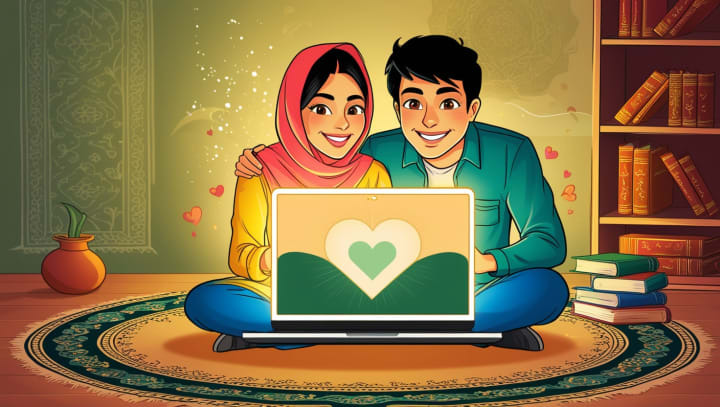
A decade ago, the idea of finding your spouse online might have been met with raised eyebrows. Many families viewed it as risky, inappropriate, or even desperate. But times are changing—and fast. As success stories pour in and the stigma fades, online matchmaking is gaining mainstream acceptance across urban and semi-urban areas of Pakistan.
What’s interesting is how perceptions have evolved. A marriage that began with a "match request" on an app is now just as respected as one arranged through family contacts. In fact, many families are starting to encourage their children to explore these platforms, especially when conventional routes haven’t yielded results. As one might say, love is love—no matter how it’s found.
Celebrity Endorsements and Influencer Impact
Another factor contributing to the social acceptance of online matchmaking is visibility. Pakistani influencers, vloggers, and even TV celebrities have openly talked about their successful marriages that started through a website or app. When young users see people they admire normalize digital matchmaking, it reduces hesitation and adds a layer of credibility.
Some matrimonial platforms have also launched targeted ad campaigns showing respectful courtships that align with Pakistani cultural and Islamic values, further easing parental concerns. When a practice is seen on TV dramas, Instagram reels, and wedding blogs, it starts to feel normal—even expected.
Real-Life Love Stories from Matrimonial Websites
Heartfelt Connections, Real Commitments
Let’s face it, the biggest proof of any platform’s effectiveness is the success stories. Thousands of couples across Pakistan have met online and gone on to build loving, respectful marriages. These stories range from college students who met during lockdowns to professionals working abroad looking for compatible partners back home.
Many couples highlight how the process gave them room to explore personalities before involving families. They connected over shared dreams, mutual respect, and similar values—things that aren’t always visible in traditional meetings for rishta in Lahore.
These platforms are helping change the narrative: from forced arrangements to chosen partnerships. It’s no longer about just ticking boxes—it’s about finding someone who truly gets you.
Beyond Borders: International Matches
For overseas Pakistanis, matrimonial websites are a blessing. Living in Western countries, they often face cultural barriers when trying to find a spouse who understands both Eastern values and Western lifestyles. These platforms bridge the gap by connecting diasporic Pakistanis with compatible partners, whether they’re in Islamabad or Illinois.
This has helped preserve cultural identity while embracing diversity, allowing couples to balance faith, tradition, and modern living beautifully. And in many cases, these matches result in long-lasting marriages based on mutual understanding and cultural harmony.
Challenges and Criticisms of Matrimonial Websites
Scams and Fake Profiles
Despite all the advantages, online matchmaking isn’t without flaws. One of the biggest concerns is the presence of fake profiles and scams. Some users create false identities for entertainment, financial fraud, or manipulation. This can lead to emotional harm and general mistrust of the system.
That said, reputable platforms now have strict verification processes, including photo ID checks, AI filters for detecting suspicious behavior, and user-reporting tools. It’s important for users to stay vigilant and use platforms that prioritize safety and transparency.
Superficial Judgments and Unrealistic Expectations
Another criticism is the tendency to judge based on appearance or status. Swipe-based designs and profile filters can sometimes encourage superficiality, where users may focus too much on height, salary, or complexion rather than personality and values.
To combat this, some platforms have started promoting deeper compatibility metrics and long-form bios. But the onus is still on users to dig deeper, ask meaningful questions, and not treat the process like online shopping for a spouse.
The Role of Family in Online Matchmaking
Collaborative Search, Not Secretive Choices
While online matchmaking in Pakistan gives individuals more control, families are still very much part of the equation in Pakistan. The difference is that their role has shifted from decision-maker to supporter. Many parents now sit alongside their children while browsing matches, reviewing profiles, and even initiating conversations with potential in-laws.
This collaborative approach respects both personal choice and familial guidance. It helps bridge the generation gap and keeps the process transparent. After all, marriage in Pakistan isn’t just between two people—it’s between two families. Matrimonial websites that acknowledge and integrate this reality are more likely to succeed.
Generational Gaps and Growing Understanding
Yes, there are still challenges. Some elders worry about the “unknown” aspect of online rishtas. But gradually, with more exposure and education, the resistance is fading. Workshops, webinars, and social media awareness campaigns by matrimonial sites have played a role in normalizing these platforms for older generations.
Ultimately, it’s about building trust—between parents and children, between users and platforms, and between tradition and technology.
About the Creator
Steve Smith
Steve is a professional digital marketer and currently working as an SEO Expert in the Khired Networks which is a saas development company.
Keep reading
More stories from Steve Smith and writers in Families and other communities.
Wise~Guys
— Look Behind what's in Front of You ~ Make Good Choices — Hey, So how you Doin'..! Made~Men — Mobster Movies romanticise a distinctive, elegant appearance, impeccable attire style, along with the 'Families' expressive lingo. Making their 'Bones' gave them Panache — with vintage fedoras, tailored pin-striped suits, mirror-polished wing-tip shoes adorned with tassels; with their 'Gun Moll' gorgeous dates on their arms.
By Jay Kantor18 days ago in Families
The quiet sound of families breaking
There is a kind of silence that is louder than any noise. It is the silence of a child waking in the night and realizing their parent is gone. It is the silence of a kitchen table with one chair suddenly empty. It is the silence of a home that still looks the same, but no longer feels the same. Across the United States, thousands of families live inside that silence. Not because of war. Not because of disaster. Not because of death. But because of policy.
By Kaylee Souther7 days ago in Families




Comments
There are no comments for this story
Be the first to respond and start the conversation.