
Why Visit Hoi An? - A Town That Feels Like a Living Postcard
Visit Hoi An
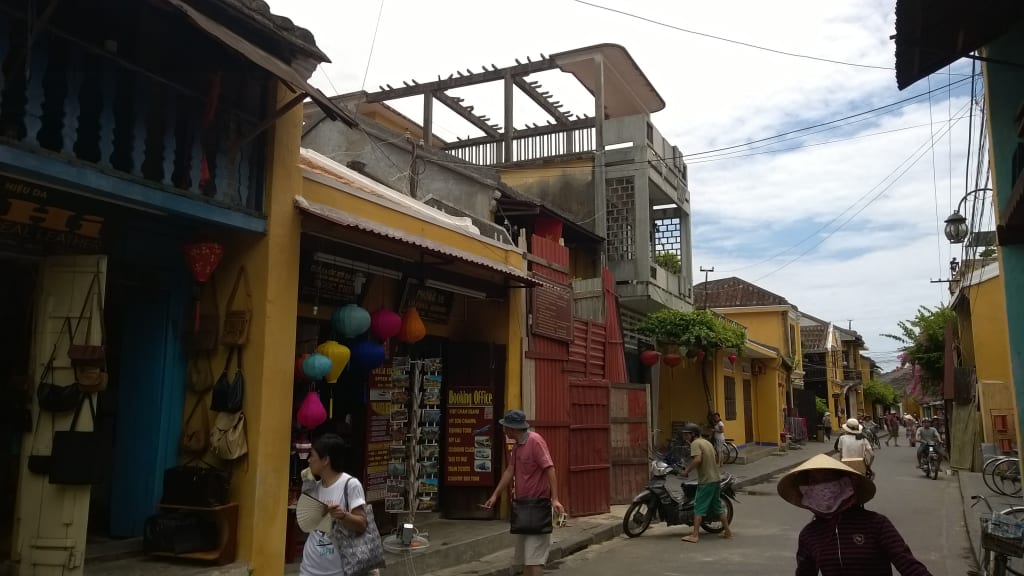
Hoi An is one of those rare places that manages to feel timeless. Nestled along Vietnam’s central coast, this historic town combines old-world charm with natural beauty in a way that captivates every visitor. With its lantern-lit streets, peaceful river views, and centuries-old architecture, Hoi An looks and feels like a scene from a dream. Whether you arrive for the history, the food, or simply to unwind, this riverside town has a calm rhythm that invites you to slow down and take it all in.
A Walk Through History
The beauty of Hoi An lies in its preservation. Once a bustling trading port between the 15th and 19th centuries, the town today remains a living museum of cultural exchange. The narrow streets are lined with old merchant houses, temples, and wooden bridges that tell stories of the traders who once came from China, Japan, and beyond. Walking through the Ancient Town feels like stepping into another era—each building painted in warm yellow tones, decorated with wooden shutters and flowering balconies. The famous Japanese Covered Bridge, a centuries-old symbol of Hoi An, remains a quiet corner where history meets serenity.
The Magic of Lantern Nights
Hoi An is most enchanting after sunset when hundreds of lanterns light up the town. Every night, the streets and riverbanks glow in soft shades of red, yellow, and orange. On full moon nights, motorised boats are replaced by small, traditional ones that carry flickering candles floating gently along the Thu Bon River. The reflection of lanterns on the water creates an atmosphere that feels almost unreal—romantic, nostalgic, and calm all at once. For travellers, it is one of the most memorable experiences in Vietnam and a true highlight of visiting Hoi An. You can find a hotel in Hoi An beneath the magical sunsets, such as Anantara Hoi An Resort, for a relaxing stay.
Culinary Delights by the Riverside
Hoi An’s cuisine is as colourful as its streets. The town is known for its signature dishes such as cao lau noodles, white rose dumplings, and crispy banh xeo pancakes. Each recipe reflects a mix of influences shaped by its trading past. The best part is that you do not need to go far to find excellent food—family-run stalls, riverside cafés, and open-air restaurants are scattered throughout the old town. Meals here are often simple but rich in flavour, with ingredients sourced fresh from local markets. Sitting by the river with a bowl of noodles while lanterns sway in the breeze is one of those moments that stays with you long after you leave.
Tailor-Made Experiences
Hoi An has also become famous for its tailoring tradition. In just a day or two, local tailors can craft custom-made clothing, from elegant dresses to perfectly fitted suits. Visitors enjoy the process of selecting fabrics and watching skilled artisans bring designs to life. This custom-tailoring culture adds a personal touch to the town’s charm, offering something unique and lasting to take home. Beyond fashion, local crafts such as lantern making and pottery are part of everyday life, and visitors are often welcome to join short workshops to learn the traditional skills that have been passed down through generations.
The Ideal Time to Visit
The best time to visit Hoi An is between February and July when the weather is warm and dry, and skies stay clear. During these months, both the town and the beaches are at their best. From August to November, occasional rains arrive, bringing cooler air and fewer crowds. The wet season has its own quiet beauty, as reflections on the wet cobblestones add another layer of charm to the already picturesque streets. No matter when you visit, Hoi An maintains its welcoming spirit and soothing atmosphere.
About the Creator
Keep reading
More stories from John Ashley and writers in Families and other communities.
What Draws Visitors to Quy Nhon’s Pristine Shores
A country of the southeast Asian region, that is worth a visit is Vietnam. Full of beautiful rivers, gorgeous beaches and busy cities, the country has much to offer to travellers gracing its shores. Among the popular cities in Vietnam, Quy Nhon is one that is quickly becoming the most sought-after in the region. While Quy Nhon was eclipsed by Vietnamese cities like Da Nang and Nha Trang, it has steadily gained recognition especially among travellers looking for powdery beaches, local culture, and a more relaxed atmosphere. Travellers who stay at a Quy Nhon hotel find that the city’s charm goes beyond its coastline. The natural beauty and rich history are all part of what makes Quy Nhon a fantastic experience for travellers.
By John Ashley2 months ago in Families
Wise~Guys
— Look Behind what's in Front of You ~ Make Good Choices — Hey, So how you Doin'..! Made~Men — Mobster Movies romanticise a distinctive, elegant appearance, impeccable attire style, along with the 'Families' expressive lingo. Making their 'Bones' gave them Panache — with vintage fedoras, tailored pin-striped suits, mirror-polished wing-tip shoes adorned with tassels; with their 'Gun Moll' gorgeous dates on their arms.
By Jay Kantor18 days ago in Families




Comments
There are no comments for this story
Be the first to respond and start the conversation.