
Why Separation During Early Parenting Can Be Harmful: Key Insights for New Parents
Make the Journey Beautiful

Parenting is a process that requires love, tolerance, and understanding, especially in the beginning. However, the challenges of raising children frequently put stress on relationships and can lead to couples considering divorce. Before making such a choice, it is crucial to comprehend the potential impacts on the child and the family. This article will cover the reasons why it might not be the best decision to divorce during the early years of parenting, the consequences that parental behavior has on a child's development, and parenting tips to help you and your partner get along better.
The Emotional Impact of Early Separation on Children
Children are extremely sensitive to changes in their surroundings during the formative years of their lives. Since parents are a child's main source of emotional stability, their departure can cause emotions of uncertainty, worry, and bewilderment. According to research, young children who see parental separation may have emotional difficulties that show out in a number of ways:
- Emotional Insecurity: Since their main emotional pillars—their parents—are no longer together, children may experience worry and feelings of instability. Emotional disengagement and problems with trust may result from this.
- Behavioral Problems: When children are separated, they are more likely to act out or show disobedience. This behavior, which indicates a desire for reassurance, frequently results from perplexity or an effort to attract attention.
- Relationship Difficulty: Children who observe parental separation at a young age may struggle to build meaningful relationships in the future out of a fear of being rejected or abandoned themselves.
- Reduced Academic Performance: A youngster who has emotional disruptions at home may get distracted from their studies, which might result in poor focus, subpar grades, and academic difficulties.
Parenting Advice to Make Bonds Stronger During Tough Times
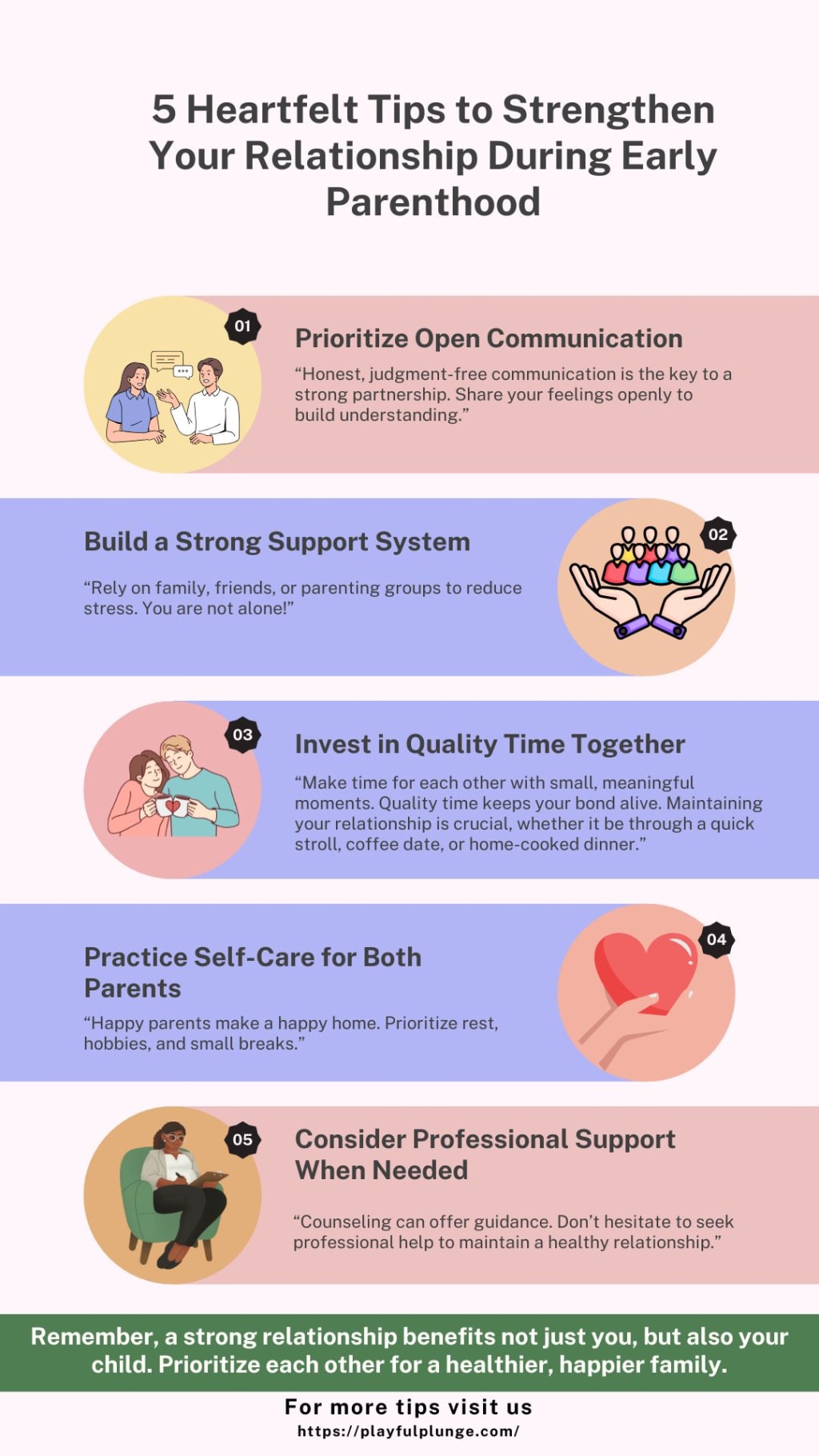
Undoubtedly, juggling the demands of early motherhood may be quite difficult, but there are practical strategies to create a nurturing atmosphere that benefits both parents and kids. Here are some sincere, useful suggestions from my viewpoint as a psychologist, emphasizing the family's overall emotional health.
1. Make open communication a priority
- Consult your partner: Make time for open, sincere, and judgment-free dialogue. Vent your disappointments, anxieties, and hopes. The foundation of a strong relationship is mutual understanding; keep in mind that parenting is a collaboration.
- Put Empathy Before Judgment: Be empathetic in all conversations. Everyone has a unique way of dealing with the difficulties of motherhood and recognizing one another's feelings can help to reduce conflict.
2. Create a Robust Support Network
- Never Be Afraid to Seek Assistance: When times are difficult, seek support from friends, family, or parenting organizations. A strong support system can make you feel less stressed and less alone by letting you know you're not traveling this path alone.
- Acknowledge your imperfections: Relying on others does not imply that you are a bad parent; rather, it is about striking a balance that is good for your family.
3. Spend Quality Time with Each Other
- Take Care of Your Partnership: Despite the overwhelming demands of motherhood, make a conscious effort to spend meaningful time with your children. You may rekindle your relationship with your lover with a quick stroll, a peaceful cup of coffee at home, or even a supper together.
- Treasure the Little Things: The littlest things may have the biggest impact. You may rekindle your relationship and remember why you embarked on this road together with just a little chat when the baby is sleeping.
4. Take Care of Yourself, Both Parents
- Take Care of Yourself: Keep in mind that taking care of oneself is necessary and not selfish. Emotionally balanced and well-rested parents are better equipped to foster a healthy connection. Your personal needs are essential to a peaceful home, so don't disregard them.
- Encourage one another's health: Encourage your significant other to take time off and take care of themselves. Whether it's a short sleep, a beloved pastime, or some alone time, recharging makes both parents feel stronger and more connected.
5. When necessary, take into account professional assistance
- Counseling Could Save Your Life: Couples counseling is a good first step if you feel that the tension is too much to handle. A therapist may provide direction, useful resources, and an unbiased viewpoint to help you deal with the stress of early parenthood without allowing it to cause you to become estranged.
- Consider Your Child's Welfare: Keep in mind that your child's sense of security and happiness are closely correlated with your emotional stability and positive relationship. Purchasing expert assistance is an investment in the future of your family.
Being a parent may be an amazing time of development and connection, but it can also be a profound and occasionally daunting journey. You and your child both gain from every effort you make to strengthen your bond and provide a caring atmosphere.
Conclusion
Recall that being a parent is a shared experience. To improve your relationship and provide your child a secure, caring environment, start small today. For the most recent information and guidance on surviving the early years of parenthood, read us to learn more parenting ideas and to get in touch with professionals.
You can create a healthy atmosphere where parents and kids may flourish by tackling these issues and suggestions. Prioritize your child's welfare and don't be afraid to ask for assistance when necessary. Being the best parent, you can be including all of this.
About the Creator
Prakash Mukharji
The happiest soul by connecting the story
Keep reading
More stories from writers in Families and other communities.
Wise~Guys
— Look Behind what's in Front of You ~ Make Good Choices — Hey, So how you Doin'..! Made~Men — Mobster Movies romanticise a distinctive, elegant appearance, impeccable attire style, along with the 'Families' expressive lingo. Making their 'Bones' gave them Panache — with vintage fedoras, tailored pin-striped suits, mirror-polished wing-tip shoes adorned with tassels; with their 'Gun Moll' gorgeous dates on their arms.
By Jay Kantor18 days ago in Families
Wild Card Weekend Recap: What Happens Now?
I think I figured out why I love Wild Card Weekend so much. It's because it's the first playoff anything of the calendar year. The NFL season starts in the fall, and once upon a time, the champion was crowned either on or slightly before New Year's. The evolution of the NFL schedule has resulted in the playoffs starting just into the New Year, and currently, the final week of the season falls on the first weekend of the New Year, with Wild Card Weekend coming a week after that. So yes, chronologically, the NFL's Wild Card Weekend serves as the first playoff anything of the calendar year.
By Clyde E. Dawkins6 days ago in Unbalanced




Comments
There are no comments for this story
Be the first to respond and start the conversation.