
Why Porn Users Feel More Isolated Than Ever
Connected, Yet Profoundly Alone

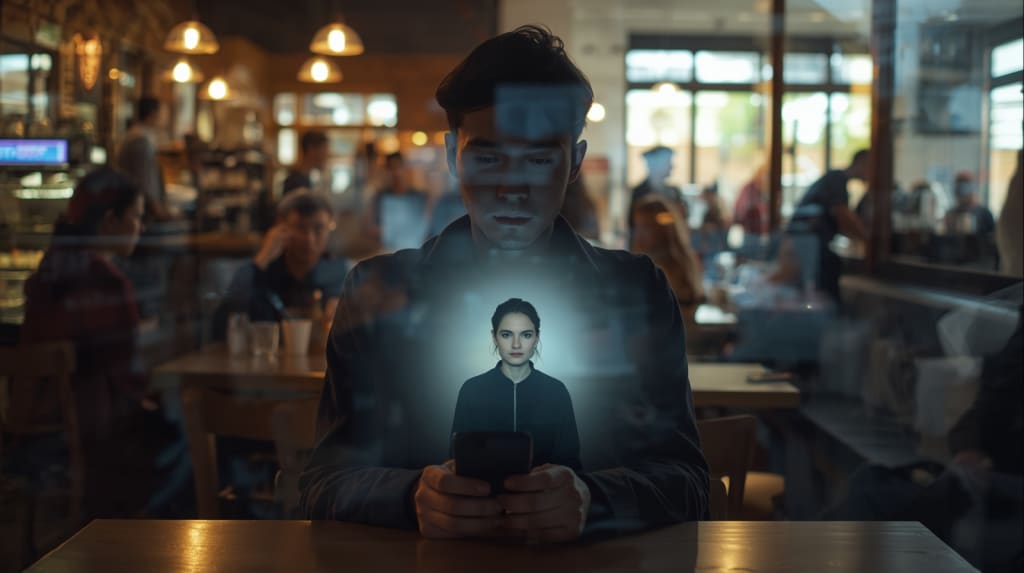
We live in the most interconnected era in human history. With a few taps, we can video call someone across the globe, accumulate hundreds of "friends" online, and access endless streams of social interaction. Yet, beneath this thin veneer of connectivity, a silent epidemic of loneliness is spreading. And for a growing number of people, this feeling is paradoxically intensified by a habit meant to provide solace and connection: the consumption of pornography.
This is the core of the loneliness paradox. An activity that promises a temporary escape from isolation, an illusion of intimacy, and a powerful neurological reward, ultimately deepens the very void it attempts to fill. It’s not just that porn users are lonely; it’s that porn itself, by its very nature, reinforces the architecture of isolation.
The Illusion of Intimate Connection
At its most basic level, human beings are wired for connection. We crave the feeling of being seen, understood, and desired by another person. This need is so powerful that our brains have developed a clever, albeit flawed, shortcut: we can simulate connection through imagination and visual stimuli.
Pornography is a super-weaponized version of this simulation. It offers the image of intimacy—bodies intertwined, passionate encounters, and (in some genres) whispered affirmations—without any of the demanding, real-world requirements. It provides the sensation of a sexual encounter without the need for vulnerability, communication, or emotional reciprocity. For a brief moment, the brain is tricked. The dopamine and other neurochemicals associated with bonding and reward flood the system, creating a powerful feeling of relief and satisfaction.
But this is a phantom connection. Like drinking saltwater to quench a thirst, it only dehydrates you further. The "conversation" is entirely one-sided. The pixels on the screen cannot see you, hear you, or care for you. They make no demands and offer no genuine comfort. Once the screen goes dark, the user is left alone in the silence, confronted by the stark contrast between the vibrant fantasy and their solitary reality. The temporary illusion of intimacy makes the subsequent absence of it feel even more pronounced.
The Neurological Trade-Off: Rewiring for Isolation
The paradox deepens when we consider the brain's remarkable plasticity. Our neural pathways are shaped by our repeated experiences. When we consistently choose a simulated experience over a real one, we strengthen the circuits for isolation and weaken those for genuine connection.
Real-world social and sexual intimacy is complex and effortful. It requires reading non-verbal cues, navigating conversation, managing anxiety, and being vulnerable to potential rejection. Each time we successfully engage in this dance, we reinforce the neural pathways for social courage, empathy, and resilience.
Porn, however, offers a frictionless alternative. It requires no social skills, no emotional risk, and no consideration for a partner's needs. With every use, the brain learns that this is the easier, safer path to a reward. Consequently, the motivation to pursue the more challenging, real-world interaction diminishes. Why risk the awkwardness of a date when you can have a guaranteed, stress-free "encounter" in your browser?
This creates a vicious cycle: a person feels lonely, so they use porn for relief. This use weakens their motivation and ability to seek real connection, leading to increased isolation, which in turn fuels more loneliness and a greater reliance on the digital substitute. The brain is literally being trained for solitude.
Breaking the Cycle: From Simulated to Real
Recognizing this paradox is the first step toward breaking its hold. The solution isn't about moralizing or shaming, but about understanding the neurological and psychological trade-offs we are making.
The path out of the paradox involves consciously choosing real, albeit imperfect, connection over the flawless simulation. It means:
Acknowledging the Void: Admitting that porn is a placeholder for a deeper need for intimacy and belonging.
Embracing Digital Boundaries: Creating intentional limits around consumption to allow the brain's reward system to recalibrate and for the motivation for real-world interaction to return.
Practicing Vulnerability: Taking small, courageous steps toward genuine connection, whether it's deepening a friendship, joining a social group, or simply having a face-to-face conversation without the distraction of a phone.
The loneliness paradox reveals a profound truth: the very thing we use to numb our pain of isolation can become the primary cause of its deepening. True connection is messy, vulnerable, and sometimes scary. But it is also real, nourishing, and affirming in a way that no digital phantom can ever be. The choice is between the quiet emptiness of a simulated world and the vibrant, challenging, and ultimately fulfilling reality of human contact.
About the Creator
The 9x Fawdi
Dark Science Of Society — welcome to The 9x Fawdi’s world.
Keep reading
More stories from The 9x Fawdi and writers in Families and other communities.
The Reluctant Knight and the Kitchen Queen
The mission was simple: survive one afternoon with my four-year-old daughter, Lily, while my wife was out. I had a plan. It was a foolproof, dad-tested plan involving building a pillow fort. Then, my mother arrived, wielding a Tupperware container of what she called “emergency rations” (which smelled suspiciously of mothballs and victory).
By The 9x Fawdi5 months ago in Families




Comments
There are no comments for this story
Be the first to respond and start the conversation.