
Why Peruvian Textiles Are Among the World’s Most Unique and Beautiful
Peruvian Textiles

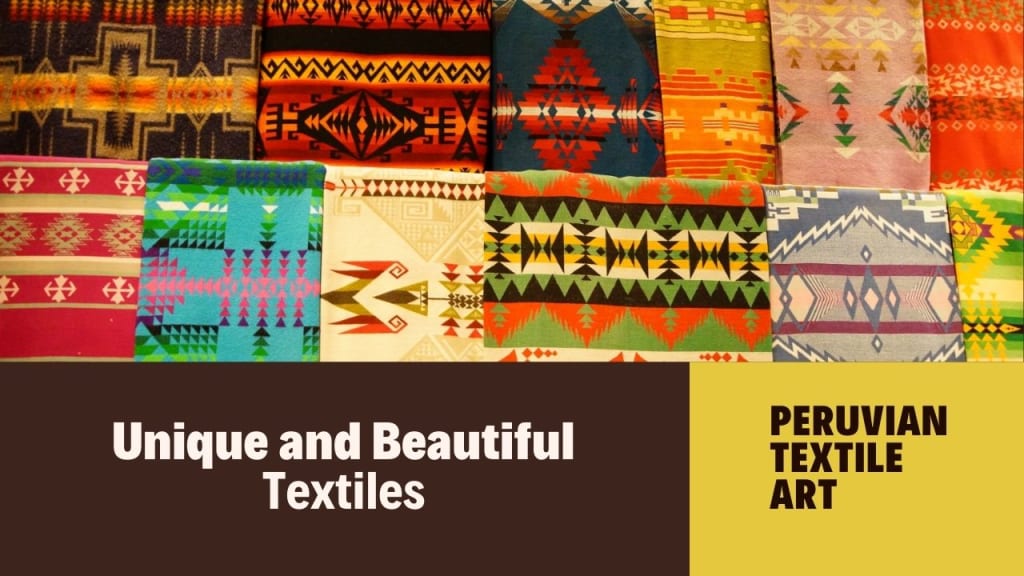
Peruvian textiles are celebrated worldwide for their vibrant colors, intricate patterns, and historical significance. These textiles aren’t just beautiful pieces of fabric; they carry stories, symbols, and artistry passed down through generations of skilled artisans. Made from natural materials and dyed using time-honored techniques, Peruvian textiles reflect a profound connection to the land, culture, and spiritual beliefs of the Andean people. This article explores why Peruvian textiles are among the world’s most unique and beautiful, revealing the richness behind these stunning creations.
1. Ancient Origins and Rich Cultural History
Peruvian textiles have deep historical roots dating back thousands of years, long before the rise of the Inca Empire. Archaeological finds have revealed that weaving in Peru began with ancient cultures such as the Paracas, Moche, and Wari. These early civilizations were renowned for their textile art, creating pieces that often held more value than gold or silver. Textiles were used in various aspects of life, from clothing to religious ceremonies, and were even offered as tribute to rulers and deities.
When the Inca civilization emerged, textiles continued to hold significant importance. The Inca Empire was highly organized, and weaving was an essential skill taught to both men and women. Textiles were used to signify social status, with finer, more intricate fabrics reserved for royalty and nobility. Each piece of woven cloth became a narrative of sorts, incorporating symbols and patterns that communicated identity, beliefs, and community roles.
2. Skilled Weaving Techniques Passed Down for Centuries
The weaving techniques used by Peruvian artisans are some of the most intricate and skill-intensive in the world. The traditional backstrap loom, an ancient tool that involves strapping one end to the weaver's body, is still used today. This loom allows artisans to create incredibly complex patterns, using techniques that have been passed down from generation to generation.
These techniques include warp-faced weaving, where the warp threads are tightly packed, creating dense, vibrant patterns. Other methods, such as brocade and double-weaving, enable artisans to produce reversible textiles and intricate geometric designs. The mastery of these techniques requires years of practice, and each piece represents hours of meticulous handwork, making these textiles true works of art.
3. Natural, Vibrant Colors From Indigenous Dyes
One of the most distinctive features of Peruvian textiles is their vibrant colors, achieved through natural dyes. Peru is rich in natural resources, and Andean weavers have long used locally available plants, insects, and minerals to create a broad palette of colors. Cochineal, a small insect that lives on cacti, produces a bright red dye and has been used for centuries to create reds, pinks, and purples. Other dyes come from plants like indigo, for blue hues, and the molle tree, which yields yellow.
This use of natural dyes not only reflects sustainable practices but also creates colors that are more subtle and rich than those from synthetic dyes. The hues of Peruvian textiles tend to deepen over time, adding to their beauty and uniqueness. Each color has its own cultural significance, with red symbolizing life and power, yellow representing the sun and maize, and green embodying the earth and nature.
4. Designs Inspired by Nature and Spirituality
Peruvian textiles are also unique for their symbolic patterns, many of which draw inspiration from nature and spiritual beliefs. The Andean worldview, known as "cosmovisión Andina," holds that everything in nature is interconnected, and the earth, or Pachamama, is considered sacred. This philosophy is reflected in the designs of Peruvian textiles, which often feature animals, plants, mountains, and celestial symbols.
For example, animals such as llamas, alpacas, and condors frequently appear in Peruvian textiles. Each animal holds cultural meaning: the condor is believed to represent the connection between the physical world and the spiritual realm, while the llama is a symbol of hard work and resilience. The chakana, or Andean cross, is another common motif that represents the union of the physical and spiritual worlds. These symbolic designs give each textile a narrative quality, turning each piece into a storytelling medium that conveys the Andean people’s values and beliefs.
5. Luxurious and Eco-Friendly Fibers: Alpaca and Vicuña Wool
Peruvian textiles are often made from alpaca and vicuña wool, two of the finest natural fibers in the world. Alpaca wool, known for its softness, warmth, and durability, is hypoallergenic and less irritating than sheep’s wool. It’s an ideal material for high-quality textiles, providing warmth without adding bulk, and has become increasingly popular in sustainable fashion.
Vicuña wool is even more luxurious and rare. Vicuñas are native to the high Andean regions, and their wool is so fine that it was once reserved exclusively for Incan royalty. Harvesting vicuña wool is tightly regulated to ensure the animals are not harmed, making it an eco-friendly option for those seeking sustainable luxury. Both fibers contribute to the uniqueness of Peruvian textiles, combining practicality with exceptional softness and resilience.
6. A Tradition That Supports Local Economies and Preserves Heritage
The production of Peruvian textiles plays a vital role in sustaining local economies and preserving cultural heritage. Weaving is a central part of Andean life, and it provides a sustainable source of income for rural communities, especially for women. Artisans often work within cooperatives, where they have the opportunity to sell their textiles through fair-trade channels and earn a living wage.
These cooperatives also work to preserve traditional weaving techniques and designs, ensuring that the craft is passed on to future generations. By purchasing Peruvian textiles, consumers not only gain a beautiful, handmade product but also contribute to the preservation of a rich cultural legacy and support the livelihoods of indigenous artisans.
7. A Growing Influence on Global Fashion and Design
In recent years, Peruvian textiles have gained attention in global fashion and interior design markets. Designers are increasingly incorporating traditional Peruvian patterns and colors into their collections, valuing the craftsmanship and cultural significance of these textiles. Sustainable fashion brands, in particular, are drawn to Peruvian textiles for their eco-friendly production methods and ethical sourcing.
The rise in popularity of Peruvian textiles reflects a broader appreciation for handmade, artisanal products that tell a story. Consumers are increasingly seeking out products that are not only beautiful but also meaningful, and Peruvian textiles fit this demand perfectly. This global interest has helped Peruvian artisans expand their reach, bringing Andean artistry and culture to a worldwide audience.
Conclusion
Peruvian textiles are among the most unique and beautiful in the world due to their deep cultural significance, exceptional craftsmanship, and sustainable production. Each piece is a tangible connection to Peru’s ancient history, reflecting the artistry, symbolism, and spiritual beliefs of the Andean people. The use of natural dyes, luxurious alpaca and vicuña wool, and intricate weaving techniques make these textiles a true testament to the skills and heritage of Peruvian artisans.
As the world continues to embrace sustainable and meaningful consumer choices, the demand for Peruvian textiles is likely to grow. These textiles not only enhance our appreciation of global artistry but also remind us of the importance of preserving cultural traditions. Peruvian textiles are more than just beautiful creations—they are a celebration of identity, resilience, and a profound respect for the natural world.
About the Creator
Xtreme Tourbulencia
Xtreme Tourbulencia is a renowned brand that offers an unforgettable experience on the Inca Trail to Machu Picchu.
Keep reading
More stories from Xtreme Tourbulencia and writers in Families and other communities.
Complete Guide to the Four-Day Inca Trail to Machu Picchu
The Inca Trail is one of the most iconic trekking routes in the world, attracting adventurers who want to experience the magic of ancient ruins, breathtaking landscapes, and the rewarding arrival at the mystical site of Machu Picchu. Spanning 26 miles (42 km) through the Andes, this four-day journey offers a perfect blend of challenge and cultural exploration. Whether you’re planning your first trek or are an experienced hiker, this guide covers everything you need to know to prepare for the Inca Trail.
By Xtreme Tourbulenciaabout a year ago in Families
Wise~Guys
— Look Behind what's in Front of You ~ Make Good Choices — Hey, So how you Doin'..! Made~Men — Mobster Movies romanticise a distinctive, elegant appearance, impeccable attire style, along with the 'Families' expressive lingo. Making their 'Bones' gave them Panache — with vintage fedoras, tailored pin-striped suits, mirror-polished wing-tip shoes adorned with tassels; with their 'Gun Moll' gorgeous dates on their arms.
By Jay Kantor19 days ago in Families
Wild Card Weekend Recap: What Happens Now?
I think I figured out why I love Wild Card Weekend so much. It's because it's the first playoff anything of the calendar year. The NFL season starts in the fall, and once upon a time, the champion was crowned either on or slightly before New Year's. The evolution of the NFL schedule has resulted in the playoffs starting just into the New Year, and currently, the final week of the season falls on the first weekend of the New Year, with Wild Card Weekend coming a week after that. So yes, chronologically, the NFL's Wild Card Weekend serves as the first playoff anything of the calendar year.
By Clyde E. Dawkins7 days ago in Unbalanced



Comments
There are no comments for this story
Be the first to respond and start the conversation.