
Complete Guide to the Four-Day Inca Trail to Machu Picchu
inca trail 4 days

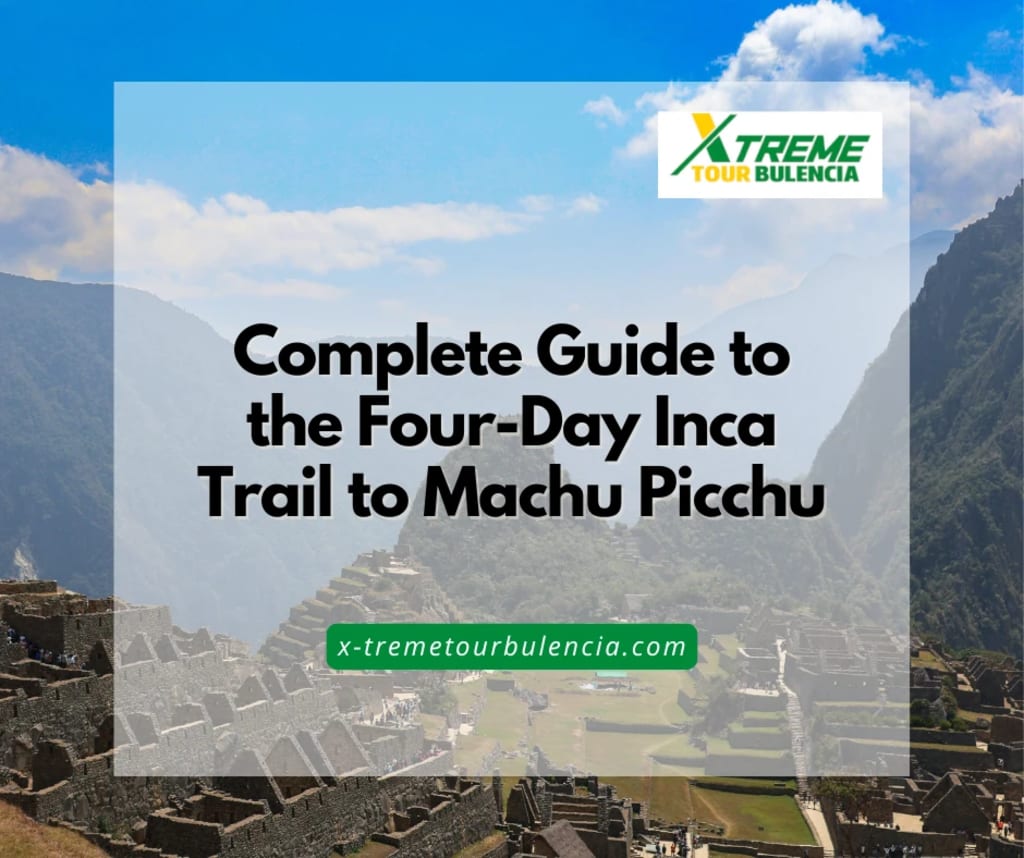
The Inca Trail is one of the most iconic trekking routes in the world, attracting adventurers who want to experience the magic of ancient ruins, breathtaking landscapes, and the rewarding arrival at the mystical site of Machu Picchu. Spanning 26 miles (42 km) through the Andes, this four-day journey offers a perfect blend of challenge and cultural exploration. Whether you’re planning your first trek or are an experienced hiker, this guide covers everything you need to know to prepare for the Inca Trail.
Overview of the Four-Day Inca Trail
The four-day Inca Trail is a structured hike that passes through varied terrains, including cloud forests, mountain passes, and archaeological sites. The final day culminates at Machu Picchu, entering through the Sun Gate (Inti Punku) at sunrise, which offers an unforgettable first view of the ancient citadel. Here’s a breakdown of what you can expect:
Day 1: Moderate hike through the Sacred Valley to Wayllabamba
Day 2: The most challenging section, crossing the Dead Woman’s Pass at 4,215 meters (13,828 ft)
Day 3: Descend into cloud forests, passing several Incan ruins like Phuyupatamarca
Day 4: Short hike to the Sun Gate and a tour of Machu Picchu
The Inca Trail is challenging due to the high altitude and rugged terrain, but it offers a unique chance to experience multiple climates and ancient ruins along the way.
Booking the Inca Trail: Permits and Regulations
Permits are required to hike the Inca Trail, and the Peruvian government limits the number of daily trekkers to 500 people (including guides and porters). Permits are highly sought after and often sell out months in advance, especially for the high season between May and September. If you plan to hike during these months, it’s recommended to book your spot at least 6 months ahead. Permits are only available through authorized trekking agencies.
Physical Preparation and Fitness Requirements
The Inca Trail can be demanding, especially with the high altitude and steep ascents. Hikers should be prepared for long days of trekking (up to 8 hours) and uneven terrain. To prepare:
Cardio Training: Activities like running, swimming, or cycling can build endurance.
Hiking Practice: Get used to hiking with a backpack to simulate trail conditions.
Altitude Acclimatization: If possible, arrive in Cusco a few days early to adjust to the elevation (11,152 ft / 3,400 m).
What to Pack for the Inca Trail
Packing strategically is essential, as porters will carry only part of your gear, and you’ll need to manage a personal daypack. Here’s a recommended list:
Hiking boots: Waterproof and well-broken-in boots are essential.
Clothing layers: Pack light, moisture-wicking layers for varying temperatures.
Rain gear: The Andes weather is unpredictable, even in the dry season.
Sleeping bag and mat: Ensure they’re appropriate for cold nights at high altitudes.
Reusable water bottle or hydration pack: Staying hydrated is crucial.
Sunscreen and insect repellent: The sun at high altitudes is intense, and mosquitos can be active in forested areas.
Trekking poles: Useful for stability, especially on steep descents.
Day-by-Day Breakdown of the Inca Trail
Day 1: Cusco to Wayllabamba
Distance: 7 miles (11 km)
Highlight: Visiting Llactapata ruins
The first day is a relatively gentle introduction to the trail. After passing through the Sacred Valley, the trail leads to Llactapata, an impressive Incan site. You’ll camp at Wayllabamba, where you can enjoy your first night under the Andean stars.
Day 2: Wayllabamba to Pacaymayo
Distance: 7.5 miles (12 km)
Highlight: Dead Woman’s Pass (4,215 m)
Day two is considered the toughest section, as you ascend steeply to Dead Woman’s Pass, the trail’s highest point. The breathtaking views make the effort worthwhile, and the descent into the Pacaymayo Valley offers a welcome respite.
Day 3: Pacaymayo to Wiñay Wayna
Distance: 9 miles (15 km)
Highlight: Phuyupatamarca and Wiñay Wayna ruins
The third day is a mix of uphill and downhill sections, with stops at several ruins. Phuyupatamarca (meaning “City in the Clouds”) and Wiñay Wayna (a terraced Incan site) are must-see highlights.
Day 4: Wiñay Wayna to Machu Picchu
Distance: 3 miles (5 km)
Highlight: Sunrise at the Sun Gate
The final stretch starts early in the morning to reach Machu Picchu by sunrise. Entering through the Sun Gate offers a stunning first glimpse of the ancient city, a reward for all your hard work. After a guided tour of Machu Picchu, you can explore the site or climb Huayna Picchu for panoramic views.
Best Time to Hike the Inca Trail
The dry season from May to September is the most popular time to hike the Inca Trail, offering clear skies and cooler temperatures. However, this also means higher demand for permits. The wet season from November to March sees fewer crowds, but rain can make the trail slippery and difficult to navigate. The Inca Trail is closed every February for maintenance.
Food and Accommodation on the Inca Trail
During the trek, meals are prepared by experienced cooks, offering a mix of local and international dishes. Porters carry camping equipment, and you’ll sleep in tents at designated campsites along the route. Meals include breakfast, lunch, and dinner, with snacks provided during the day.
Costs and Tour Options
The cost of the four-day Inca Trail can range from $500 to $1,000 per person, depending on the level of service. Basic tours cover essentials like permits, guides, and porters, while premium packages may include additional comforts, such as personal porters, upgraded tents, or private tours of Machu Picchu.
Alternatives to the Inca Trail
If you miss out on a permit or prefer a less crowded route, consider alternative treks to Machu Picchu, such as:
Salkantay Trek: A five-day trek through snow-capped mountains and lush valleys.
Lares Trek: A cultural route passing through traditional Andean villages.
Choquequirao Trek: A challenging trek to the remote Incan site of Choquequirao.
Conclusion
The four-day Inca Trail to Machu Picchu is a once-in-a-lifetime adventure that combines physical challenge, stunning scenery, and historical exploration. Proper preparation and booking in advance are key to making the most of this iconic trek. Whether you’re scaling mountain passes or exploring ancient ruins, the Inca Trail offers an unforgettable experience that culminates in the awe-inspiring beauty of Machu Picchu.
If you’re ready to embark on this adventure, start your preparations early, and don’t forget to acclimatize to the high altitude. The Inca Trail promises not only an incredible journey but also memories that will last a lifetime.
About the Creator
Xtreme Tourbulencia
Xtreme Tourbulencia is a renowned brand that offers an unforgettable experience on the Inca Trail to Machu Picchu.
Keep reading
More stories from Xtreme Tourbulencia and writers in Families and other communities.
Understanding the Permits and Regulations for the Machu Picchu Circuit 2025
Machu Picchu, a UNESCO World Heritage site and one of the New Seven Wonders of the World, draws visitors from across the globe each year. Due to the growing influx of tourists, regulations and permits have become necessary to protect this incredible historical site. If you’re planning a visit in 2025, understanding the updated permit process and regulations is essential to ensure a smooth and enriching experience.
By Xtreme Tourbulenciaabout a year ago in Families
Wise~Guys
— Look Behind what's in Front of You ~ Make Good Choices — Hey, So how you Doin'..! Made~Men — Mobster Movies romanticise a distinctive, elegant appearance, impeccable attire style, along with the 'Families' expressive lingo. Making their 'Bones' gave them Panache — with vintage fedoras, tailored pin-striped suits, mirror-polished wing-tip shoes adorned with tassels; with their 'Gun Moll' gorgeous dates on their arms.
By Jay Kantor19 days ago in Families



Comments
There are no comments for this story
Be the first to respond and start the conversation.