
Why Online Therapy Works Better in Rural Australia
Online Therapy

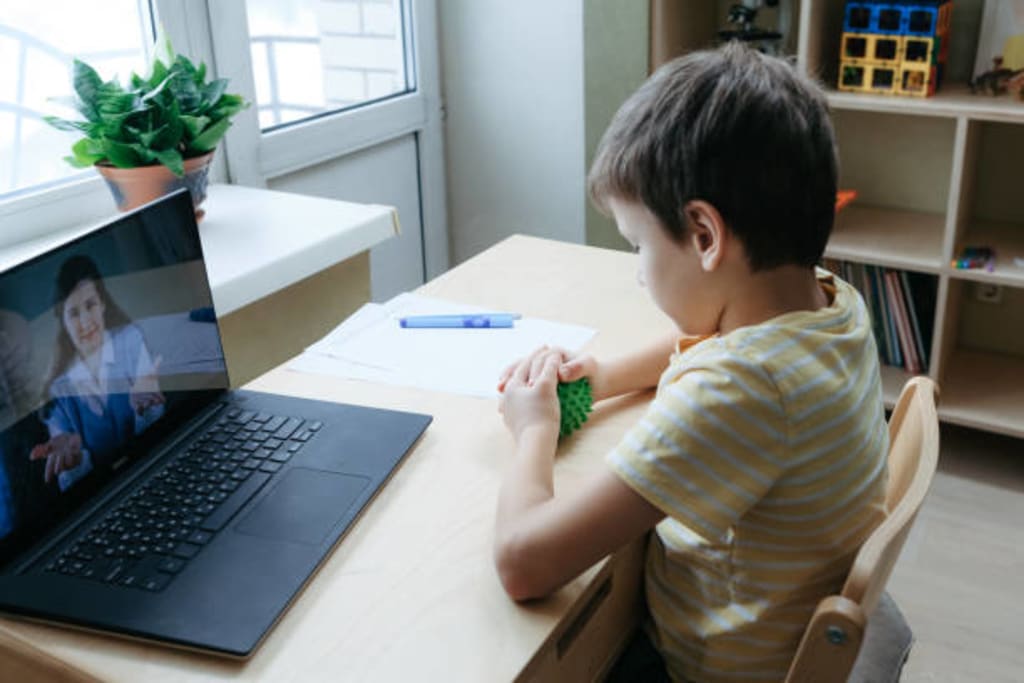
When people think of therapy, whether it's speech therapy, occupational therapy, or mental health support; they often picture a traditional clinic, a cozy office, a waiting room. But for many Australians living in rural or remote parts of the country, that image is far from reality. The truth is, for them, accessing these services can involve hours of driving, long waiting lists, and limited local expertise.
This is where online therapy in Australia has stepped in—not just as an alternative, but often as a better solution.
In my experience working with families and individuals from both metro and rural communities, I have seen firsthand how online therapy is changing the game especially in regional Australia. And I am not just talking about convenience. There is a deeper, more human reason this works so well.
Let’s unpack why online therapy, including services like online speech therapy and online occupational therapy, is not just a temporary fix but a long-term, effective solution for rural Australians.
Accessibility Beyond Geography
Rural Australians face real barriers to accessing healthcare and therapy. Some towns may not have a single qualified occupational therapist or speech pathologist nearby. Others may only offer limited services that don't meet the specific needs of patients, especially children with developmental challenges or adults recovering from injury or illness.
Online therapy removes that barrier.
With a stable internet connection (which, thankfully, has improved dramatically in the last few years), families can now connect with highly trained specialists from across Australia. This is particularly empowering for parents of children who require online speech therapy or online occupational therapy. They’re no longer limited by postcode. They can choose a therapist based on skill, not distance.
In other words, online therapy brings the best to your doorstep, without anyone having to leave home.
Therapy in the Comfort of Home
One of the most overlooked benefits of online therapy is the power of being in your own environment.
For children especially, therapy sessions that happen at home can be much more effective. They’re more relaxed, they feel safe, and they often engage more naturally with the therapist. Parents have told me their children who would otherwise freeze up in a formal clinic setting suddenly become animated, curious, and willing to try when they’re sitting in their familiar lounge room.
Occupational therapy sessions, for example, might involve using household objects like buttons, cutlery, or furniture to help build coordination and motor skills. Doing this in the environment where these skills are actually used makes a lot of sense.
Similarly, online speech therapy allows therapists to observe a child’s communication style in their natural space. Whether it's talking to siblings, interacting with pets, or explaining their favourite toy, it provides insights that aren’t always visible in a clinic.
And for adults? It's a game-changer. Working parents, farmers, or carers no longer have to factor in travel time or take a half-day off work to access services. Therapy fits into their lives and not the other way around.
More Consistency, Less Disruption
In rural areas, weather, road conditions, or simple distance can cause appointments to be missed or rescheduled. That inconsistency can really affect progress.
Online therapy eliminates most of those disruptions. Sessions are easier to stick to. There is less downtime between appointments and in many cases, families report feeling more committed and involved in the process.
For children, especially those with speech delays, developmental disorders, or learning difficulties, routine is everything. The consistency of online sessions helps reinforce that structure and that leads to better outcomes.
Some families even say online therapy helps them feel more in control. They can record parts of the session (with permission), revisit strategies, and practice more confidently between appointments.
Parental Involvement is Higher
In traditional face-to-face therapy, parents often wait outside or sit quietly in the room while the therapist leads the session. But in online therapy, particularly for younger children, parents become active participants.
And that shift is powerful.
In online occupational therapy, therapists might guide parents to assist with exercises or adapt tasks based on what’s available at home. In online speech therapy, parents learn techniques they can use during everyday activities like reading books, meal prep, or bedtime routines.
Instead of relying on a once-a-week session, therapy becomes integrated into the family’s daily life. This promotes faster progress because skills are reinforced consistently.
I've heard many parents say that online therapy gave them tools they never knew they needed. It’s no longer just about "what happens in therapy" but it’s about building confidence at home.
It Normalises Therapy
Let’s be honest. There’s still stigma around seeking therapy in some small communities. People worry about what others will think if they see them walking into a clinic, especially when it comes to mental health or behavioural concerns.
Online therapy offers privacy.
It allows individuals and families to seek support discreetly and over time, it helps normalise the idea that therapy is just part of life and something you do to support your wellbeing, no different from visiting the dentist or GP.
I have worked with families who would never have accessed therapy if it wasn’t available online. They were worried about being judged, or simply didn’t feel safe seeking help locally. Online services gave them a way forward.
It Supports Culturally Diverse and Indigenous Families
Another reason online therapy is gaining traction in rural areas is that it gives families the ability to choose therapists who understand their culture, language, or specific challenges.
For Indigenous communities or newly settled migrant families in rural towns, finding a therapist they feel understood by can be difficult. Online platforms broaden that pool.
Now, a child with a culturally diverse background can access online speech therapy from a therapist who knows how to support bilingual language development. Or an older adult recovering from a stroke can connect with an online occupational therapist who has experience working with specific cultural values around independence and care.
Representation and understanding matter. Online therapy helps bridge that gap.
It’s Often More Affordable
Let’s not ignore the financial side.
Online therapy eliminates travel costs, fuel expenses, and time off work. It also reduces overhead costs for providers, which means services are often more affordable or available under government-funded programs like NDIS or Medicare.
For families already doing it tough, that makes a huge difference.
Final Thoughts: It’s Not a Substitute. It’s a Solution
Online therapy isn’t just a temporary solution or a "second-best" option. In many cases, it’s better, especially for rural Australians who deserve access to quality care just as much as their city-based peers.
Whether it’s online speech therapy to help a child find their voice or online occupational therapy to support someone with daily living skills, this digital shift is leveling the playing field.
I believe the future of therapy in Australia is hybrid. But for rural families, the digital path is often the best way forward. And as we continue to improve technology, access, and practitioner training, online therapy will only become more powerful.
If you live in rural Australia and have been unsure about trying online therapy, give it a go. You might be surprised by just how personal and effective it can be.
About the Creator
Keep reading
More stories from Bruce Archer and writers in Families and other communities.
What Are the Warning Signs You Should See a Psychiatrist?
Have you ever had that gut feeling that something’s just not quite right, mentally or emotionally? You’re not alone and it’s nothing to be ashamed of. Life can throw all kinds of curveballs, and sometimes, our minds need a bit of extra support to handle it all. Knowing when to reach out to a psychiatrist can be life-changing. But how do you know when it’s time?
By Bruce Archer7 months ago in Families
Wise~Guys
— Look Behind what's in Front of You ~ Make Good Choices — Hey, So how you Doin'..! Made~Men — Mobster Movies romanticise a distinctive, elegant appearance, impeccable attire style, along with the 'Families' expressive lingo. Making their 'Bones' gave them Panache — with vintage fedoras, tailored pin-striped suits, mirror-polished wing-tip shoes adorned with tassels; with their 'Gun Moll' gorgeous dates on their arms.
By Jay Kantor20 days ago in Families
Blessing Platinum-Williams on Church Belonging, Family, and Accountability: Community as Sacrifice and Care
Blessing Platinum-Williams is a London-based, self-taught software developer and the creator of Tonely AI, an “auto-reflect” keyboard for iOS and Android that surfaces the likely tone and intention behind a message as you type. Tonely aims to reduce everyday digital harm by prompting users to reconsider wording that may sound blunt, passive-aggressive, or manipulative. Privacy is a core design choice: Tonely runs tone detection on-device and, per its terms and privacy policy, does not upload or store your messages. She founded Tonely AI Ltd in Britain. She also has a law degree and a therapy-informed perspective on language for everyone.
By Scott Douglas Jacobsenabout 11 hours ago in Families




Comments
There are no comments for this story
Be the first to respond and start the conversation.