
Why Children Are the Most Fascinating People You’ll Ever Meet
Through their wonder, laughter, and curiosity, kids remind us of the beauty we adults often forget.

The other day, I was sitting at a café when a little boy at the next table asked his mom a very serious question:
"Mom, why do clouds look like mashed potatoes?"
The mom chuckled, gave him a kiss on the forehead, and went back to scrolling on her phone. But that question stuck with me.
See, that’s the magic of children. Their curiosity has no filters. They don’t worry about asking a “silly” question or whether someone will think they sound smart. They just want to know, and in that hunger for discovery, they remind us that the world is far more fascinating than we allow ourselves to believe.
Why We Should Pay Attention to Children
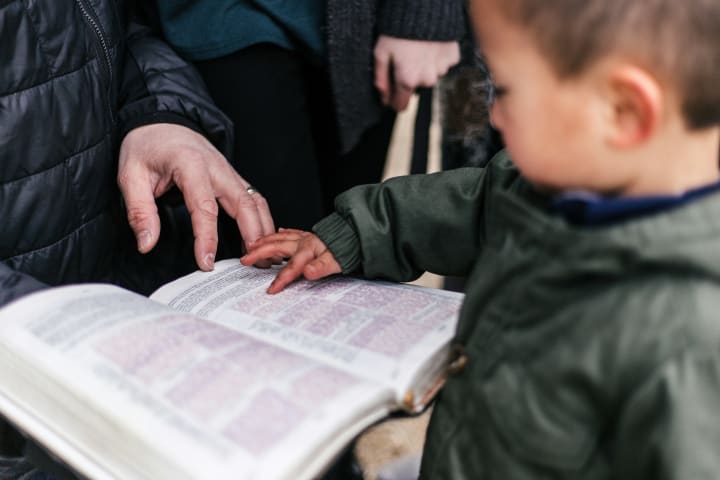
As adults, we often assume we are the teachers and children are the students. We correct them, guide them, and sometimes hush their endless questions. But what if we’re missing the point? What if children are here not just to learn from us, but to remind us of lessons we’ve long forgotten?
- Imagination is limitless. A cardboard box to us is trash. To a child, it’s a spaceship, a castle, or a secret cave. Their creativity knows no ceiling.
- Joy can be simple. Give a child bubbles and watch them laugh harder than most adults do at a comedy show.
- Resilience comes naturally. Kids fall, cry, get up, and are running again five minutes later. No overthinking. No self-doubt. Just courage on tiny feet.
If we paid closer attention, we’d realize that children are living proof of qualities most of us spend years trying to relearn.
The Conversations We Miss
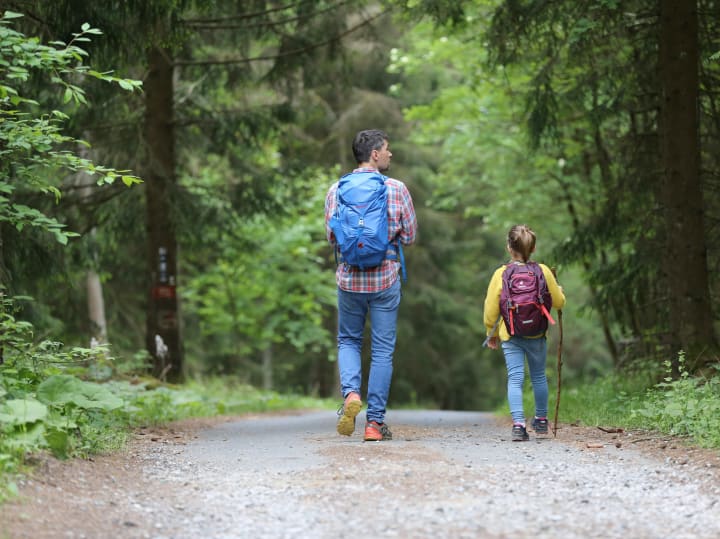
What makes children fascinating isn’t only their innocence—it’s their perspective. If you sit down and really listen to a five-year-old, you’ll discover a fresh lens on life. They’re conversational in the purest sense. No pretenses. No hidden agendas. Just truth mixed with wonder.
One afternoon, my niece asked me if raindrops “get dizzy” when they fall. At first, I laughed—but then I paused. Why not entertain the thought? What if raindrops really did feel something as they rushed from cloud to earth? Suddenly, a gray rainy day felt poetic.
Another time, my neighbor’s daughter asked me if trees “get lonely” when they’re planted by themselves. That question, as simple as it was, carried a depth most adults would phrase as a philosophical thought about community and belonging. Yet she expressed it in one pure sentence.
Children constantly ask the questions we’ve stopped asking. They invite us to think differently, to imagine boldly, and to reconnect with a part of ourselves that adulthood often buries under responsibility.
Imagine if we brought that same openness into our adult conversations. Instead of worrying about how we’re perceived, we’d simply connect—curious, present, and real.

Lessons Hidden in Play
Watch children at play and you’ll notice something powerful. They forgive quickly, they invent new worlds with ease, and they don’t worry about whether their games are productive. Their measure of success is joy, not results.
Adults, on the other hand, often treat play as something childish or wasteful. But studies in psychology show that play isn’t just for fun—it sharpens creativity, builds empathy, and reduces stress. Children are naturals at it. We are the ones who have to relearn.
When I was younger, my cousins and I used to play “shopkeeper.” We’d arrange plastic cups, empty cans, and bottle tops on the porch and pretend we were running a big supermarket. At the time, it was just fun. But looking back, I realize those games taught us negotiation, cooperation, and even basic math. Without knowing it, we were practicing skills that school would later teach us in a structured way.
Children don’t need fancy toys to create joy. They just need space and freedom. And when we join in, we remember that joy doesn’t have to be expensive or complicated.
The Resilience of Little Hearts
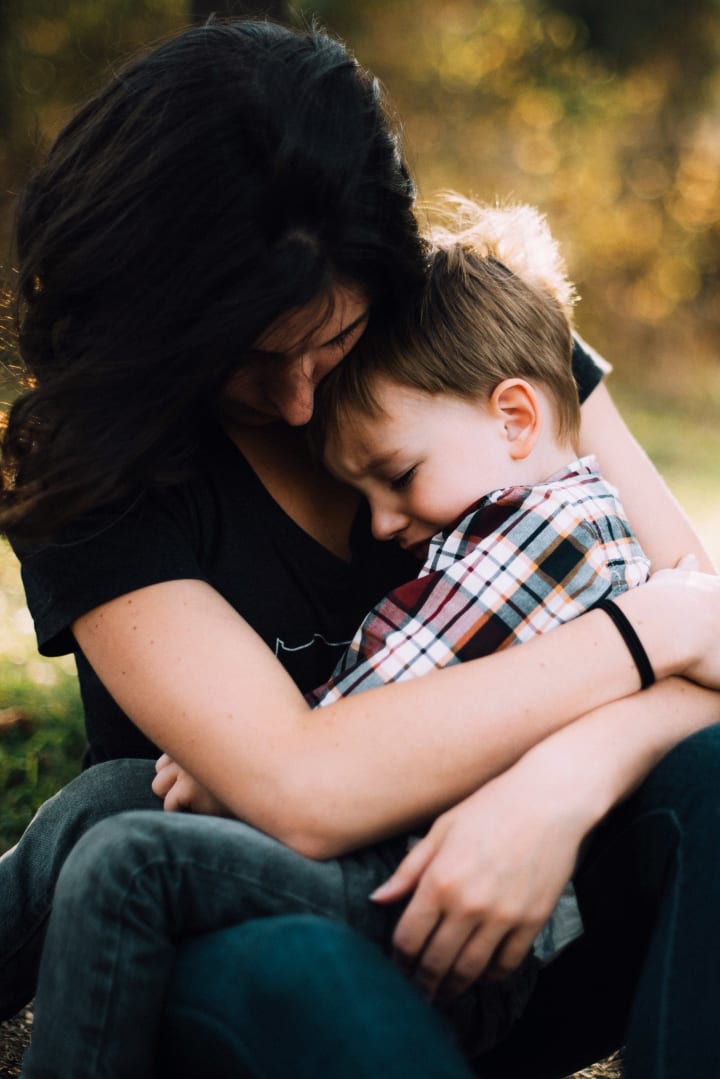
Another reason children fascinate me is their ability to bounce back. A scraped knee, a spilled cup of juice, or a broken crayon might cause a flood of tears—but within minutes, they’re back on their feet, laughing again.
As adults, we could learn something from that. We hold grudges, dwell on mistakes, and overthink every misstep. Children remind us that sometimes the healthiest response is to cry if we must, then let it go and move forward.
I once saw a boy at the playground trip and fall hard. For a moment, the world stopped as he looked at his scraped elbow. Then his friend shouted, “Come on! The slide is free!” and just like that, the tears disappeared, replaced by determination to claim his turn on the slide. That’s resilience in action—a lesson delivered without a lecture.

A Call to Remember
Next time a child tugs at your sleeve with a “random” question, don’t brush it off. Dive into it. Explore the mashed potato clouds together. Wonder out loud. Laugh. Be silly. Be human.
Because children aren’t just little humans waiting to grow up—they’re reminders that life is best lived with fascination, play, and endless conversation.
And maybe, just maybe, that’s the kind of education we adults still need.
About the Creator
Wise~Guys
— Look Behind what's in Front of You ~ Make Good Choices — Hey, So how you Doin'..! Made~Men — Mobster Movies romanticise a distinctive, elegant appearance, impeccable attire style, along with the 'Families' expressive lingo. Making their 'Bones' gave them Panache — with vintage fedoras, tailored pin-striped suits, mirror-polished wing-tip shoes adorned with tassels; with their 'Gun Moll' gorgeous dates on their arms.
By Jay Kantorabout a month ago in Families


Comments
There are no comments for this story
Be the first to respond and start the conversation.