
Who Qualifies for Respite Care in California?
Discover who qualifies for respite care in California, including caregivers, seniors with disabilities, veterans, and Medi-Cal recipients, and learn how to access these essential services.

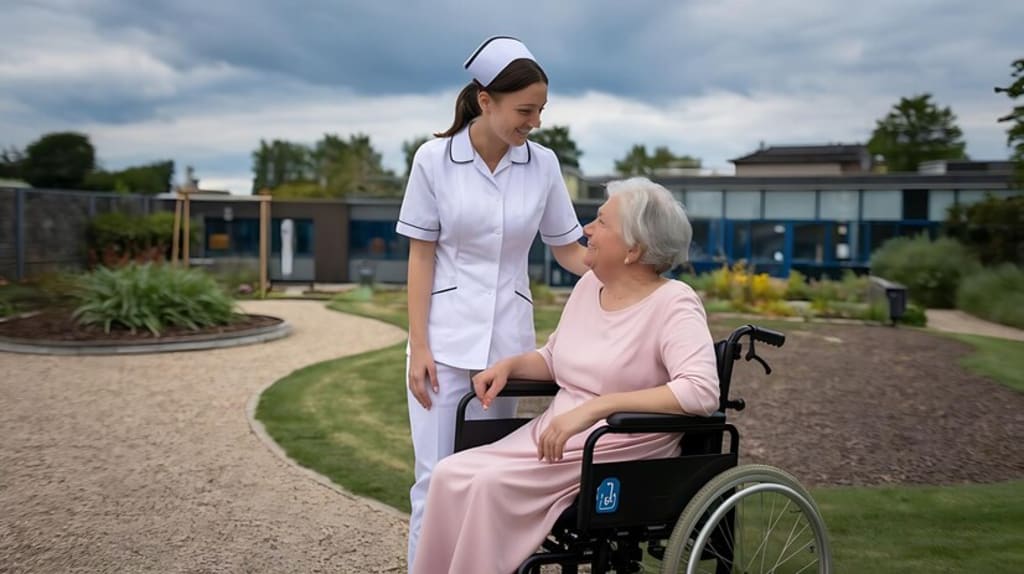
Sometimes, taking care of a loved one is very rewarding, but at other times, it involves great demand on the caregiver. Californian caregivers are placed in a much-needed break to attend to their interests through respite care. It helps ensure that the caregivers take adequate time to rest, recover, or attend to other matters without letting go of the care for their loved ones. Who qualifies for California's respite care? In this all-inclusive guide, we talk about the qualifications, eligibility, and benefits of respite care within the state.
What is Respite Care?
Respite care is temporary and short-term relief for caregivers. It provides, for a limited period of time, the opportunity for someone else to take over one's caring tasks so that the principal caregiver might have a break from their regular duties. There are several different types of respite care services available in California, including in-home care, adult day care centers, and residential facilities.
Such care is both advantageous to the carer and the person being taken care of. While caregivers can have a rest, the person they are taking care of will receive professional care on their needs, be it for a few hours, days, or even weeks.
Who Qualifies for Respite Care in California?
Family caregivers
Respite care is basically for family caregivers who provide unpaid, ongoing care for those with needs. In California, the clients served are mainly caregivers who take care of sick or disabled family members afflicted with chronic illness or impaired cognitive function like Alzheimer's disease or dementia.
There are so many caregivers who spend hours every day taking care of their loved family members. Such lengthy periods lead to burnout, emotional stress, or physical exhaustion with time. These caregivers, through respite care, may get a chance to recharge, hence continue performing their caregiving duties effectively.
Those with Chronic Conditions or Disabilities
Respite care is offered for people living with chronic conditions or disabilities that incapicate them from taking proper care for themselves. These include, though not limited to, developmental disabilities, physical impairments, and age-related conditions. People with multiple medical needs can be respite cared for especially when there is an exigent pressing issue for the caregivers to attend to or a personal health factor.
The respite care in California will be co-ordinated with regional centers by the Department of Developmental Services; thus, it can prove very helpful for families.
Elders and Adults with Cognitive Impairments
There are high percentages of the qualified needing respite care who fall in an advanced age and suffer from conditions such as dementia or vascular dementia, Parkinson's diseases. Such victims require enormous amounts of care because they have to be constantly watched day and night; one person cannot handle their workload alone, without another helping in the process.
Respite care is private, specialized attention for a senior, be it located at home, an assisted living facility, or in a specialized memory care community. Experienced professionals come to administer proper care to seniors, giving their regular caregivers some peace of mind.
Eligibility Requirements for Respite Care in California
Eligibility for respite care in California varies by program and provider, but here are general eligibility requirements for a caregiver and care recipient to qualify:
1. Regional Center Clients
The typical California regional center client, who is often a person with a developmental disability, will usually qualify for respite care. Regional centers are typically nonprofit organizations providing coordinated services and support for persons with developmental disabilities. Families of these clients can submit a request for respite care service through their respective regional centers.
2. Medicaid (Medi-Cal) recipients
Medi-Cal, the Medicaid program in California, also provides respite care if the conditions are met. Under Medi-Cal's Home and Community-Based Services (HCBS) Waiver Program, clients covered under the program qualify for receiving services of respite care. Simply put, the service is to take care of a patient with either mental and or physical disability or chronic condition where the goal is to stay at home instead of being institutionalized; respite care, among other services, is availed.
3. Veterans
In addition, California veterans may also qualify to receive respite care services through the VA health care system. The Department of Veterans Affairs offers up to 30 days a year of respite care to qualifying veterans to give some rest to their caregivers.
4. Private Insurance
Some private insurance policies do include respite care services. Seek details from your carrier regarding how your coverage will be applied within their policy formats. As private pay insurance policies are so diverse, most major carriers include caregiver support through some policy with respite care coverage.
5. Self-Pay and Private Pay Options
Even if the caregiver or their loved one is not eligible for respite care through Medi-Cal, a regional center, or private insurance, many caregivers provide self-pay. Many families can pay for services directly either through in-home care providers or adult day care services or temporary residential care facilities.
How to Apply for Respite Care in California
The application process for respite care in California varies based on both the provider and the program. However, with most services, it follows this kind of step-by-step process:
- Assessment of Needs: The first thing to take place is the determination of the needs of both the caregiver and the person receiving the care. Numerous respite care services do an initial assessment to ascertain whether the services would be apt for the individual's needs.
- Regional Centers: For those with developmental disabilities, access to respite care services would be through contacting the nearest California regional center. The regional center will review your case and help you explore how you can obtain respite care.
- Eligibility: If you are qualified for the Medi-Cal program, you can apply through the Home and Community-Based Services (HCBS) Waiver Program to get respite care. You have to present supporting documentation that pertains to the medical condition of the recipient and whether the caregiver needs support.
- Veterans: Veterans and their caregivers should call the veterans' local office or healthcare provider to see what services are available to pay for respite care. The VA will require documentation that the services of respite care are approved.
- Private Providers: Those who privately pay for respite care can contact private providers directly. Many assisted living facilities, nursing homes, and in-home care agencies in California offer temporary respite services.
Conclusion: Enabling Well-being for Both Providers and the Receivers
Respite care in California is a service of immense importance that helps the carers and the receivers. Whether it is a family carer; a senior who receives cognitive care or a veteran, respite care serves the complete interest of both parties. More importantly, by reviewing the available eligibility options, ranging from regional centers to Medi-Cal and private insurance, caregivers in California find the right resources that will help them in their caregiving journey.
About the Creator
Jennifer Watson
Jennifer Watson is a dedicated professional in the field of senior care, specializing in Memory Care and Assisted Living. With years of experience and a profound commitment to enhancing the quality of life for seniors.
Keep reading
More stories from Jennifer Watson and writers in Families and other communities.
What Is the Life Expectancy of Someone With ALS-FTD?
ALS and FTD are serious neurological disorders, and things go from bad to worse when they exist concomitantly. ALS-FTD is a very rare condition that combines the progressive weakness of the muscles and decline of respiratory function characteristic of ALS with the impairments in cognition and behavior associated with FTD. A diagnosis of ALS-FTD needs to be understood in great detail by reviewing the length of time over which ALS and FTD have been progressing, overall health, and available care like a memory care facility.
By Jennifer Watsonabout a year ago in Families
Wise~Guys
— Look Behind what's in Front of You ~ Make Good Choices — Hey, So how you Doin'..! Made~Men — Mobster Movies romanticise a distinctive, elegant appearance, impeccable attire style, along with the 'Families' expressive lingo. Making their 'Bones' gave them Panache — with vintage fedoras, tailored pin-striped suits, mirror-polished wing-tip shoes adorned with tassels; with their 'Gun Moll' gorgeous dates on their arms.
By Jay Kantorabout a month ago in Families
The Light That Remembered Us
The cold in Chicago didn't just bite; it owned the streets. It was the kind of February wind that whistled through the gaps in the window frames of the high-rise, a constant, low-frequency reminder that the world outside was indifferent to human comfort. Inside Apartment 42B, the air was different. It was clean, filtered, and smelled faintly of the expensive lemon-scented disinfectant used by the cleaning crew that came every Thursday. It was a home, theoretically, but to Clara, it often felt like a gallery where she was one of the exhibits.
By George Evan6 days ago in Families




Comments
There are no comments for this story
Be the first to respond and start the conversation.