
Who is prophet Muhammad?what is Islam religion?why we must believe Quran ?Why Muslim’s Believe in one god?
Arabic

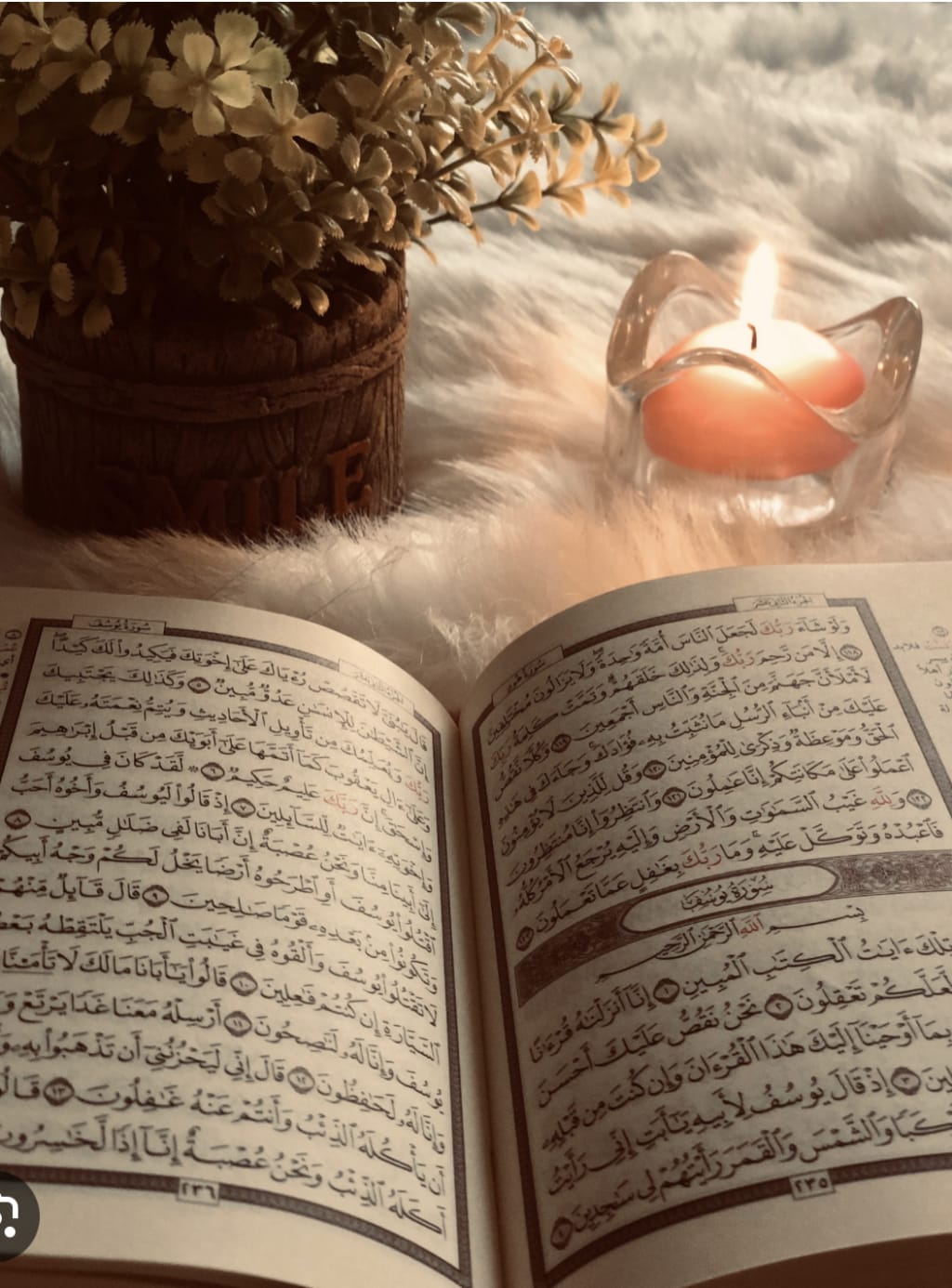
Prophet Muhammad is the central figure of Islam and is considered the last and final prophet by Muslims. He was born in Mecca, in present-day Saudi Arabia, in the year 570 CE. According to Islamic belief, Muhammad received revelations from God through the angel Gabriel, which were compiled into the holy book of Islam, the Quran. He is revered as a spiritual and political leader, as well as a model of exemplary character and conduct. Muhammad's teachings form the basis of the Islamic faith, and he is highly respected by Muslims worldwide.
What is Islam religion?
Islam is a monotheistic religion followed by Muslims. It is based on the teachings of the Prophet Muhammad, as revealed to him by God through the angel Gabriel. Muslims believe in the oneness of God, known as Allah, and consider Muhammad to be the last and final prophet.
The core beliefs of Islam are expressed in the Five Pillars of Islam, which include the declaration of faith (Shahada), performing regular prayers (Salat), giving to charity (Zakat), fasting during the month of Ramadan (Sawm), and undertaking a pilgrimage to Mecca (Hajj) if physically and financially able.
Muslims strive to live their lives in accordance with the teachings of the Quran, the holy book of Islam, and the Hadith, which are collections of sayings and actions of the Prophet Muhammad. Islam encompasses various aspects of life, including spirituality, morality, social justice, and personal conduct. It has a rich history and diverse traditions that have shaped the lives of millions of people around the world.
Why we must bielive Quran
Belief in the Quran is a fundamental aspect of the Islamic faith, and there are several reasons why Muslims consider it to be a sacred and authoritative text:
1. Divine Revelation: Muslims believe that the Quran is the direct word of God (Allah) as revealed to Prophet Muhammad through the angel Gabriel. They consider it to be the final and complete revelation from God to guide humanity.
2. Miraculous Nature: Muslims view the Quran as a literary and linguistic miracle. Its eloquence, coherence, and profound messages are seen as signs of its divine origin. Many Muslims believe that its linguistic perfection is beyond human capability, serving as evidence of its authenticity.
3. Guidance for Life: The Quran provides Muslims with guidance on various aspects of life, including matters of faith, morality, personal conduct, family, social justice, and governance. It offers principles and teachings that Muslims believe lead to a righteous and fulfilling life.
4. Preservation: Muslims believe that the Quran has been perfectly preserved since its revelation over 1,400 years ago. The meticulous oral and written transmission methods ensure that the Quran available today is the same as it was during the time of Prophet Muhammad.
5. Spiritual Nourishment: For Muslims, the Quran is a source of spiritual nourishment and a means of establishing a deeper connection with God. Its recitation and study are considered acts of worship, fostering a sense of peace, guidance, and spiritual growth.
While belief in the Quran is central to the Islamic faith, it is ultimately a matter of individual conviction and faith. Muslims consider the Quran to be a source of divine guidance and wisdom that shapes their beliefs, values, and actions.
Why Muslim Believe in one god
Muslims believe in the concept of monotheism, which is the belief in the existence of only one God. This belief is based on several reasons:
1. Quranic Revelation: The Quran, as the central religious text of Islam, repeatedly emphasizes the oneness of God. It affirms that there is only one God and that He is the creator and sustainer of the universe.
2. Islamic Creed: The Islamic declaration of faith, known as the Shahada, states, "There is no god but Allah, and Muhammad is His messenger." This declaration affirms the belief in the oneness of God and serves as a foundational principle of Islam.
3. Prophetic Teachings: Prophet Muhammad, through his teachings and actions, emphasized the concept of monotheism. He taught that God is the sole object of worship and that associating partners or idols with God (polytheism) is a grave sin.
4. Rationality and Logic: Muslims believe that the concept of monotheism aligns with reason and logic. They argue that the existence of a single, all-powerful, and all-knowing God provides a coherent explanation for the creation and order of the universe.
5. Absence of Equals: Muslims believe that God is unique and incomparable. They believe that He has no partners, equals, or associates. This belief is rooted in the understanding that God is self-sufficient and beyond human comprehension.
Ultimately, belief in the oneness of God is a core principle of Islam. Muslims believe that recognizing and worshiping the one true God brings spiritual fulfillment, moral guidance, and a sense of purpose in life.
About the Creator
Keep reading
More stories from Behzad Junaid and writers in Families and other communities.
Who was assassino ,how created them , where they created
The creation and development of assassins as a profession throughout history is a complex and multifaceted subject. Assassins, or individuals who carry out targeted killings for political, religious, or personal reasons, have existed in various forms and cultures across different time periods. Here is a condensed overview of some aspects related to the creation of assassins:
By Behzad Junaid3 years ago in Criminal
Wise~Guys
— Look Behind what's in Front of You ~ Make Good Choices — Hey, So how you Doin'..! Made~Men — Mobster Movies romanticise a distinctive, elegant appearance, impeccable attire style, along with the 'Families' expressive lingo. Making their 'Bones' gave them Panache — with vintage fedoras, tailored pin-striped suits, mirror-polished wing-tip shoes adorned with tassels; with their 'Gun Moll' gorgeous dates on their arms.
By Jay Kantor20 days ago in Families
How to Succeed at the Benson Directory®
Congratulations and welcome to the Benson Directory® employee #22391! As our newest call handler, you will have the privilege of speaking with dozens of unique and interesting people on a daily basis as well as the opportunity to earn bonuses for high performance. Contained within this handbook you will find a set of ease to follow instructions designed to help you settle in to your new role and begin paving the way to success.
By S. A. Crawford4 days ago in Fiction




Comments
There are no comments for this story
Be the first to respond and start the conversation.