
When the World Stopped: How Kids Learned to Smile Indoors
A heartwarming story about children rediscovering joy, faith, and family during the lockdown.

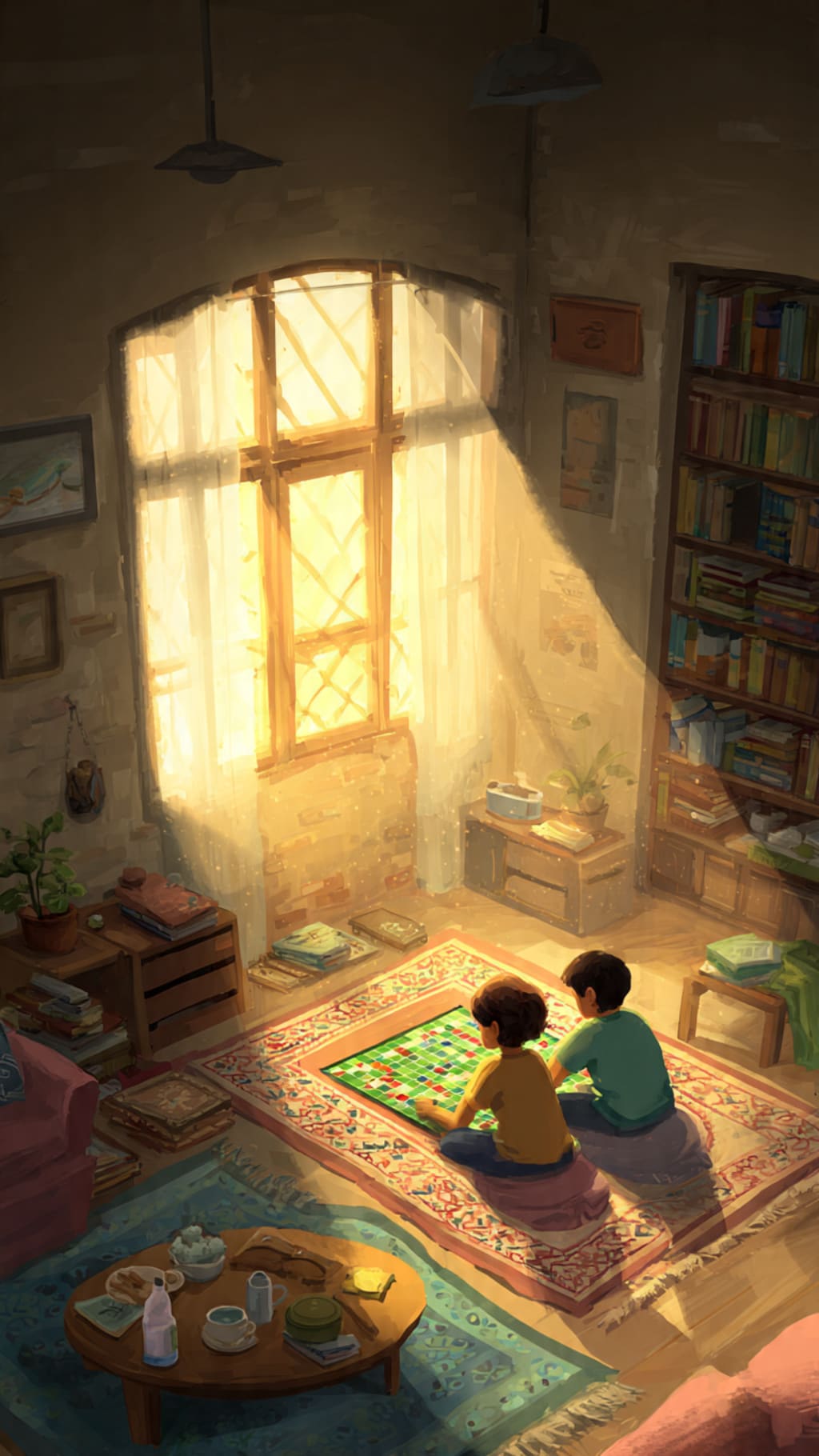
A heartfelt story about children rediscovering joy, faith, and family during the pandemic.
BY Khan
---
It was a time unlike any other. The year when the world seemed to stand still. Streets once filled with laughter and noise grew quiet. Schools closed, playgrounds emptied, and the word “lockdown” became part of everyone’s daily conversation. The Coronavirus pandemic had spread across the entire globe, and no country was spared.
In Pakistan, just like in many other nations, schools were shut down, businesses slowed, and families stayed indoors. For the first time, children who were used to spending most of their day outside—playing cricket, running in the parks, or chatting with friends after school—found themselves trapped within four walls.
At first, it felt like a dream come true.
No school, no early alarms, no homework deadlines. Kids cheered, imagining endless days of fun, rest, and television. But as the days stretched into weeks, and then into months, something unexpected happened—boredom.
The very freedom they had wished for started to feel heavy. The walls that once felt safe now felt too close. There were no visits to grandparents, no picnics in the park, and no shopping trips to buy their favorite snacks. Everything had stopped.
So, what could children do to stay happy, healthy, and hopeful in such uncertain times?
That’s what this story is all about.
---
Making a Home Timetable
“Dear children,” as every caring adult would say back then, “you were given holidays not for fun, but for safety.” Staying home was not just a break—it was a shield.
But spending the entire day staring at mobile screens or scrolling endlessly through cartoons wasn’t the answer either. What many parents suggested was simple yet powerful: make a timetable.
Start your day with breakfast and a smile. Watch your favorite cartoons or an educational show for a little while. Then, play something active—even if it’s indoors!
If you had a carrom board, play that. If not, pull out a Ludo game or even create your own mini cricket match in the living room. And if nothing else, simply join your parents in the kitchen or help clean your room. It wasn’t about being busy—it was about being usefully busy.
---
Learning, Growing, and Giving Back
After lunch, younger kids could nap, but older children were encouraged to study. “This is your golden time,” parents would say. “Work on the subjects that challenge you most.”
Books became friends again. Storybooks, in particular, offered a magical escape—a safe way to travel to different worlds when the real one was closed off.
If a child didn’t have any books, they were told to ask their parents to order some. And if that wasn’t possible, storytelling sessions began at home. Parents shared tales from their childhoods, and grandparents recalled legends from long ago. Suddenly, families were talking again—really talking.
---
Faith, Prayer, and Positivity
There was another message that echoed through many homes during the pandemic: Don’t fear the virus—take precautions and trust in God.
This invisible enemy reminded everyone how fragile and interconnected life truly was. The best protection, apart from washing hands and keeping distance, was prayer and faith.
Children were encouraged to pray with their families. Those who knew how to pray were told to offer all five daily prayers, and even those who didn’t could start learning. The simple act of performing wudu—the ritual washing before prayer—was also a way to stay clean and safe.
Reciting morning and evening supplications became a comforting habit. It wasn’t just a spiritual act; it was a reminder that everything—good or bad—happens with the will of Allah.
---
Staying Away from Fear and False News
As time went on, social media became flooded with alarming headlines and fake stories. Many adults struggled with anxiety because of it, and so parents began advising children:
“Don’t keep watching the news all day. Once is enough.”
Hearing bad news repeatedly only made hearts heavy. It was better to focus on positive activities—reading, praying, learning, and helping out around the house.
---
The Beauty of Helping Hands
For many young girls, the lockdown became a chance to learn new skills. They joined their mothers in the kitchen, learned to cook simple dishes, help with cleaning, and keep the home tidy.
At first, it felt like a chore, but soon, it became fun. They laughed, tried new recipes, and proudly served their creations to the family. For the first time, they realized how much effort went into every meal and every clean floor.
And the days? They passed faster than ever.
---
A Lesson for a Lifetime
The pandemic eventually eased, just as all difficult times do. But the lessons it left behind were priceless. Children learned that peace doesn’t always come from the outside world—it often comes from within.
They discovered that home isn’t just a place to live—it’s where love, learning, and laughter come together. They learned to rely less on screens and more on family. And most importantly, they realized that while fear is natural, faith is stronger.
So if you ask those children today what they remember most from that strange, quiet year, they might not talk about the virus at all. They’ll talk about the time they rediscovered books, prayer, and family games. The time when they helped their parents and learned how to make life beautiful again—even when the world outside was silent.
Because in the end, the world didn’t stop.
It just paused—so we could all remember what truly matters.
About the Creator
Wise~Guys
— Look Behind what's in Front of You ~ Make Good Choices — Hey, So how you Doin'..! Made~Men — Mobster Movies romanticise a distinctive, elegant appearance, impeccable attire style, along with the 'Families' expressive lingo. Making their 'Bones' gave them Panache — with vintage fedoras, tailored pin-striped suits, mirror-polished wing-tip shoes adorned with tassels; with their 'Gun Moll' gorgeous dates on their arms.
By Jay Kantor17 days ago in Families
The quiet sound of families breaking
There is a kind of silence that is louder than any noise. It is the silence of a child waking in the night and realizing their parent is gone. It is the silence of a kitchen table with one chair suddenly empty. It is the silence of a home that still looks the same, but no longer feels the same. Across the United States, thousands of families live inside that silence. Not because of war. Not because of disaster. Not because of death. But because of policy.
By Kaylee Souther6 days ago in Families




Comments
There are no comments for this story
Be the first to respond and start the conversation.