
When Paradise Turns Deadly: A Kerala Family's Kenyan Nightmare
Our deep-rooted fear of the call you hope never comes

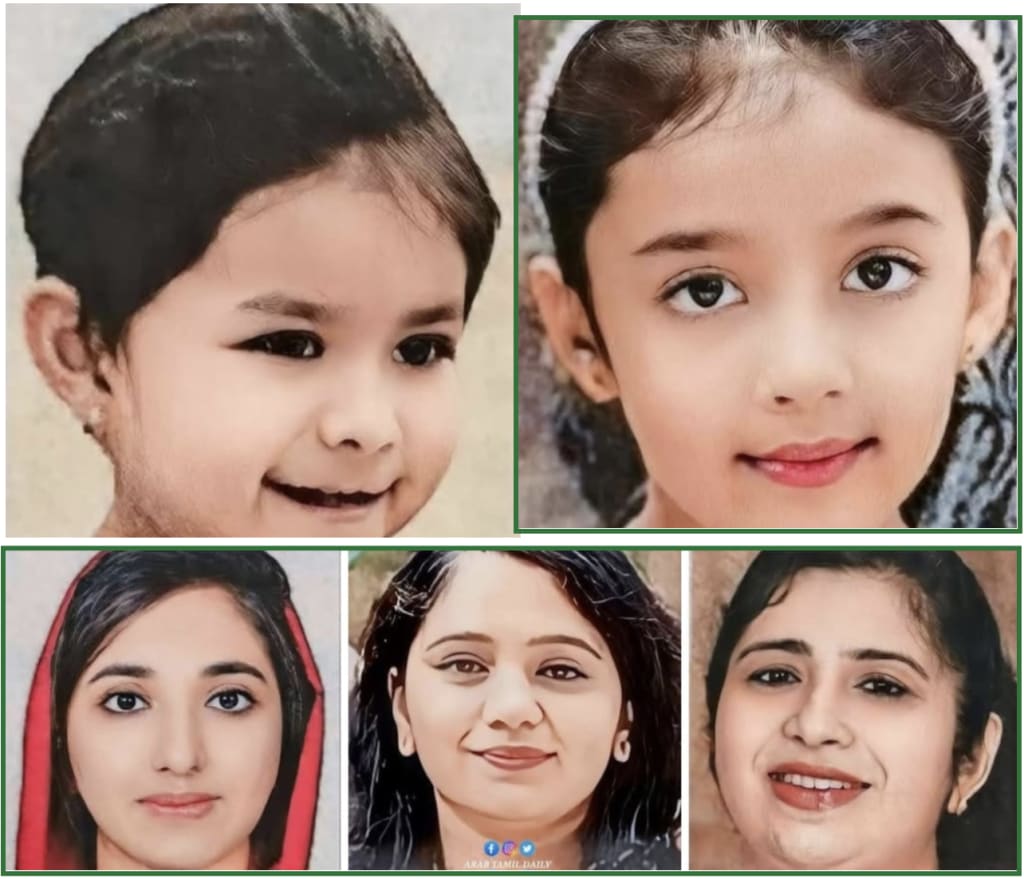
The WhatsApp messages started like they always do. Excited emojis. Photos of packed suitcases. "Finally leaving Qatar for our Eid holiday!" The kind of messages that make you smile when you see them in family groups, especially when you know how hard these expatriate families work to afford these precious moments together.
But by Monday morning, those same family chat groups had gone silent. Then came the calls no one wants to receive. The kind that make your blood run cold and your hands shake as you try to process words that don't make sense together: "accident," "Kenya," "hospital," "gone."
Five people from Kerala died that day on a rain-slicked road in central Kenya, but their story isn't really about statistics or diplomatic statements. It's about dreams interrupted, families shattered, and the hidden costs of chasing happiness in an uncertain world.
The Perfect Vacation That Wasn't
Riya Ann had everything planned perfectly. At 41, she'd spent years working at Doha's airport, watching thousands of travelers pass through on their way to adventures she could only dream about. Her husband Joel worked in Qatar's travel industry, so he understood better than most how to plan the perfect trip. Their children, seven-year-old Tyra and fourteen-year-old Travis, had grown up between two worlds the practical reality of expatriate life in Qatar and the warm embrace of their extended family back in Mannur, Palakkad.
This Kenya trip was supposed to be different. Not just another quick visit home to Kerala, but a real adventure. The kind of vacation that creates lasting memories, the kind their children would talk about for years to come. Twenty-eight people had joined their group friends and families from Kerala, Karnataka, and Goa, all based in Qatar, all looking for the same thing: a break from the routine, a chance to explore somewhere new together.
They'd chosen Kenya carefully. Not too far from Qatar, but exotic enough to feel special. The Panari Hotel in Nyahururu town, about 200 kilometers from Nairobi, promised comfort and safety. The itinerary looked perfect on paper.
But travel brochures don't mention rain-soaked roads. Tour operators don't warn you about buses that skid and crash into trees. Insurance policies don't prepare you for phone calls from Kenyan hospitals in the middle of the night.
When Everything Goes Wrong
Monday started like any other day of their vacation. The group had been in Kenya since June 6th, and everything had gone smoothly so far. They were scheduled to return to Qatar on Wednesday just a few more days of making memories before returning to their regular lives of work and school and the familiar rhythm of expatriate existence.
The bus was heading toward Nyahururu when the rain started. In Kenya's central region, rainfall can transform roads quickly, turning what seems like a routine journey into something treacherous. The driver probably felt the bus start to slide before anyone else realized what was happening. The moment when tires lose their grip on wet asphalt, when steering wheels become useless, when physics takes over and human control disappears entirely.
The bus skidded, crashed into a tree, and overturned. In those few seconds, five lives ended and countless others changed forever.
Riya Ann and little Tyra didn't survive. Neither did 29-year-old Jasna Kuttikkattuchalil and her 18-month-old daughter Roohie Mehrin, or 58-year-old Geetha Shoji Isaac. Three generations of women, three families, gone in an instant on a road they'd never heard of before booking this trip.
The Survivors' Nightmare
For those who survived, the nightmare was just beginning. Joel, Riya's husband, found himself critically injured in a Kenyan hospital, facing not just his own physical trauma but the unimaginable reality that his wife and daughter were gone. His son Travis, only fourteen, was also critically injured, trying to process injuries and loss that no teenager should ever have to face.
Shoji Isaac, 58, lay in Nyahururu General Hospital with serious injuries, asking about his wife Geetha. Nobody knew how to tell him she was dead. His youngest son Abel needed surgery for a compound fracture, fighting his own battle for recovery while his father remained in the dark about their family's devastating loss.
The practical nightmares multiplied quickly. Bodies in a government facility in Kenya, awaiting repatriation. Families in Kerala desperately searching online for hospital contact numbers, trying to reach anyone who could tell them if their loved ones were alive or dead. Insurance claims and embassy procedures and all the bureaucratic machinery that kicks into gear when tragedy strikes abroad.
The Families Left Behind
Back in Kerala, the ripple effects spread through communities like stones thrown into still water. In Mannur, Palakkad, Hussain Shafeek A, a local ward member and family friend, found himself fielding calls from journalists and relatives, trying to make sense of information filtering back from a country thousands of miles away.
"The family here came to know about the accident on Monday morning," he explained, his voice heavy with the weight of delivering unimaginable news. "Joel, who is employed in the travel industry in Qatar, and Riya, an airport employee, were on vacation with their children when the tragedy struck."
In Cherukol, near Mavelikkara, Geetha's extended family launched into frantic action. When official channels moved too slowly, they took matters into their own hands, scouring the internet for contact information, calling number after number until they finally reached Abel in his hospital bed.
"We searched online and kept calling until we were finally able to reach Abel," said Shoji's elder son, describing hours of desperate attempts to connect with family members thousands of miles away.
The tragedy hit Thoyakkavu in Thrissur particularly hard. Jasna and baby Roohie's deaths sent the entire community into mourning. Ward member Poornima Mohan struggled to find words adequate for such a loss. "Though the family is originally from Thoyakkavu, they used to be abroad most of the time. However, their relatives here have been informed about the unfortunate incident," she said, the formal language barely containing the grief underneath.
The Expatriate Reality
This accident exposes something uncomfortable about modern expatriate life that we don't often discuss. Millions of Indians work abroad, sending money home, building better futures for their families. But that life comes with hidden costs and risks that go beyond financial calculations.
When you live between countries, you're never quite home anywhere. Your children grow up displaced, caught between cultures, trying to maintain connections to grandparents and cousins they see once a year. You work extra hours to afford vacations that feel precious because they're rare. You plan elaborate trips to compensate for all the ordinary moments you miss—school plays, birthday parties, family dinners that happen without you.
These families from Qatar were doing everything right. They'd saved money, planned carefully, chosen reputable tour operators. They were trying to give their children experiences that would broaden their horizons, create bonds with other expatriate families, make memories that would last a lifetime.
But expatriate life also means you're far from your support systems when things go wrong. No local relatives to immediately rush to hospitals. No familiar doctors or lawyers or government officials who understand your situation. You're dependent on embassies and consulates and international coordination between countries that may or may not prioritize your emergency.
The Bureaucracy of Grief
The Indian Embassy in Qatar issued its statement on Tuesday evening, confirming deaths and promising coordination with the High Commission in Nairobi. "As per available information, five Indian nationals have lost their lives. Officials from HCI Nairobi are on the ground and extending all assistance," they announced on social media.
Back in Kerala, Thrissur Collector Arjun Pandiyan confirmed that the district administration was coordinating with NORKA the Non-Resident Keralites Affairs department to gather more information. But the timeline for bringing the victims home remained unclear.
These official responses follow familiar patterns, the same careful language that appears whenever tragedy strikes expatriate communities. But behind every diplomatic statement are families desperate for information, for timelines, for someone to take responsibility for bringing their loved ones home.
Questions Without Answers
As I dug deeper into this story, questions kept multiplying. How safe are tourist buses in Kenya? What kind of training do drivers receive for handling vehicles on wet roads? Were there seat belts? Did the tour operator have adequate insurance? How quickly did emergency responders reach the scene?
But perhaps the more important questions are the ones we ask ourselves. How do you weigh the risks of travel against the benefits of family experiences? How do you protect your children while still giving them the world? How do you plan for tragedies that nobody expects?
Every expatriate family reading this story will recognize themselves in these victims. The careful planning, the excitement about adventures, the photos shared in family WhatsApp groups. We all want to believe that if we're careful enough, if we choose reputable operators and safe destinations, if we follow all the rules, we can protect our families from random tragedy.
But sometimes rain falls at exactly the wrong moment. Sometimes buses skid despite everyone's best intentions. Sometimes the world reminds us that control is mostly an illusion, and the most precious thing we have is time with the people we love.
What Happens Next
The survivors face long recoveries, both physical and emotional. Joel will heal from his injuries, but how do you recover from losing your wife and daughter? Travis will need time to process trauma that would challenge adults. Shoji will eventually learn about his wife's death, and that conversation will be one of the hardest moments in his family's history.
The bodies will eventually return to Kerala for final rites, accompanied by family members who never imagined they'd be making this journey. There will be ceremonies and condolences and the slow, difficult work of rebuilding lives around huge absences.
The other 23 members of the tour group will return to Qatar changed. Some will never travel again. Others might find that adventure feels different now, weighted with awareness of how quickly joy can turn to sorrow.
The Lesson We Don't Want to Learn
This story matters not because it's unique, but because it's not. Every year, expatriate families face similar tragedies car accidents, medical emergencies, natural disasters that catch people far from home. We don't talk about these risks enough, perhaps because acknowledging them makes the expatriate life seem too frightening, too uncertain.
But ignoring these realities doesn't make them disappear. What we can do is support each other better, build stronger networks within expatriate communities, pressure tour operators and governments to prioritize safety, and remember that every adventure carries some element of risk that no amount of planning can completely eliminate.
The families planning their next vacation from Qatar or Dubai or Kuwait will read this story and feel a chill of recognition. They'll hold their children a little tighter, double-check their insurance policies, maybe choose destinations a little closer to home.
That's human nature, and it's not necessarily wrong. But the real lesson here isn't about avoiding risk it's about appreciating what we have while we have it. About making the ordinary moments count, not just the special ones. About understanding that home isn't just where you work or where you vacation, but where people will drop everything to search for hospital phone numbers when your world falls apart.
Tonight, in Kerala, there are families grieving losses that still don't feel real. In Qatar, there are expatriate communities trying to process how quickly everything can change. And around the world, there are millions of people living between countries, building lives that span continents, carrying both the privileges and the vulnerabilities that come with choosing adventure over certainty.
The rain has stopped in Kenya. The road where five people died continues to carry traffic toward Nyahururu town. Life goes on, as it always does, but five families will never be the same. Their story deserves to be remembered not as a cautionary tale, but as a reminder of how precious and fragile our connections really are.
Thanks for taking the time to read! 💛 If you enjoyed it, I’d love to hear your thoughts. Drop a comment, hit the heart, and please subscribe (it’s free!).
About the Creator
Fathima Haniffa
I share my passion for healthy living through keto recipes, practical food tips, real-life experiences, and original poetry inspired by personal research.
Discover my Rumble channel: https://rumble.com/c/c-7705609
Keep reading
More stories from Fathima Haniffa and writers in Families and other communities.
My Face Yoga Journey: The Good, The Bad & The Slightly Ridiculous
Okay, real talk? I never thought I'd be the person preaching about facial exercises to anyone who'd listen. Yet here I am, 6 months into this face yoga thing, writing this post on my couch with a face mask on and wondering how I became this person.
By Fathima Haniffa8 months ago in Families
Wise~Guys
— Look Behind what's in Front of You ~ Make Good Choices — Hey, So how you Doin'..! Made~Men — Mobster Movies romanticise a distinctive, elegant appearance, impeccable attire style, along with the 'Families' expressive lingo. Making their 'Bones' gave them Panache — with vintage fedoras, tailored pin-striped suits, mirror-polished wing-tip shoes adorned with tassels; with their 'Gun Moll' gorgeous dates on their arms.
By Jay Kantor19 days ago in Families
Why Are Teachers Leaving Education?
As someone who is new to teaching, I will not sit here and pretend to fully understand everything veteran teachers have endured over the years. I do not yet have decades of experience to draw from. However, I can speak honestly about what I have observed in my year and a half in the classroom, and what I have learned in that short time is both eye opening and concerning. Teaching today is no longer just about teaching content. It has evolved into a profession that often requires educators to act as the judge, the juror, and the executioner, so to speak, all while being expected to maintain patience, professionalism, and compassion at every turn.
By Kimberly Nightengale2 days ago in Families
Ludacris and Nelly draw backlash over bookings at MAGA-coded music festival
Ludacris and Nelly headlining a mostly right-wing event is good for them. It’s also great for the genre of hip hop. The two rap veterans have showcased their talents on other stages. Why can’t they perform for mostly MAGA folks and grab that bag?
By Skyler Saunders4 days ago in Beat




Comments
There are no comments for this story
Be the first to respond and start the conversation.