
What You Didn’t Know About Siem Reap’s Cultural Treasures
Cultural Treasures
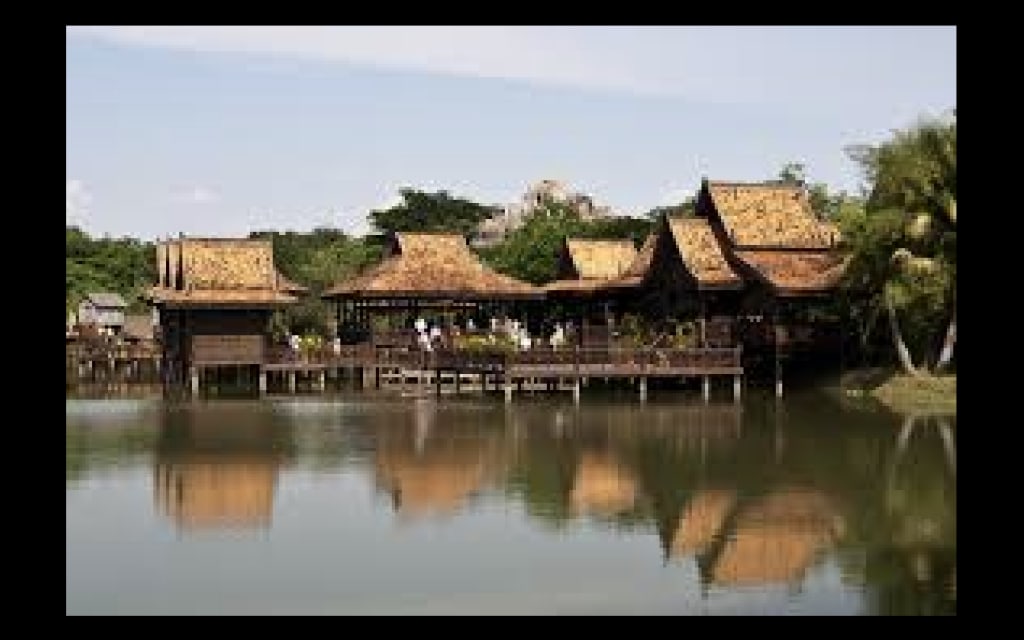
Siem Reap is the second largest city in all of Cambodia, and is located in the north of the country. One of the reasons for Siem Reap to be so well known is because of its unique location in proximity to the ruins of the Angkor Wat temple. This temple attracts many travellers from across the globe to Siem Reap to uncover its historical significance and its architecture of it. While the famous temple complexes are quite an essential part of the city, there is much more to explore and enjoy. For those seeking a richer journey, exploring these lesser-known aspects of Siem Reap transforms a simple visit into an unforgettable adventure. Whether you are being accommodated at one of the luxury hotels in Siem Reap or looking for a more budget-friendly alternative, always trying to understand what the city has to offer will help you have a better trip.
Discovering Hidden Temples
While Angkor Wat is part and parcel of visiting the city, Siem Reap is home to a number of smaller temples that are peaceful as well as a knowledge trove when it comes to insight into the Khmer empire. Banteay Srei, known as the “Citadel of Women,” has a beautiful and intricately carved pink sandstone wall that shows off the skill of ancient artisans. Far less crowded than Angkor Wat, this temple allows visitors to appreciate details often overlooked in busier locations. Beng Mealea is another gem, which is a site engulfed by jungle, where nature has reclaimed some of the crumbling structures. Many guided tours can include these temples alongside Angkor Wat, which would give you the best of both worlds, in terms of popular and hidden attractions. Hotels like Anantara Angkor Resort even list Beng Mealea as a site they visit, making it a stress-free trip if you are lodged at the hotel.
Engaging with Local Artisan Communities
There are many skilled local artisans in Siem Reap, and visiting them allows you to experience aspects that many people miss. Artisans Angkor and similar workshops show the traditional crafts including silk weaving, stone carving, as well as the art of woodwork. These visits not only allow visitors to watch skilful craftsmen at their work but also support the local communities. Participating in such activities helps travellers connect with the cultural roots of the region. Watching the process of carving out a sculpture from wood or stone or learning about ancient textile production provides an interesting sneak peek into the level of dedication and artistry that define the Cambodian way of life.
Exploring Tonle Sap and Its Floating Villages
The Tonle Sap is considered the largest freshwater lake in all of Southeast Asia, and is home to a few unique floating villages. These villages are named Chong Khneas and Kampong Phluk, and are a must-visit for anyone interested in learning more about them. Many travellers don’t visit these communities where homes, schools, and markets exist on stilts or floating platforms. A guided boat tour across the lake allows visitors to get a glimpse into the view of life on the water. You will be able to see everything from fishing practices to everyday routines, all happening on or around the lake.
Cycling Through the Countryside
Travelling by bicycle instead of a motor vehicle gives you a completely different perspective of Siem Reap. Pedalling through fields of rice paddies, ancient villages, and quiet roads allows visitors to experience the landscape that Siem Reap has to offer at a slow and relaxed pace. Cycling tours usually include stops at local walking paths, small markets, as well as community projects, providing opportunities for travellers to chat with the locals.
Savouring Authentic Khmer Cuisine
Beyond popular restaurants near the temples, Siem Reap has quite an active and dynamic culinary scene that is often skipped over. Traditional dishes such as fish amok, grilled pork with rice (bai sach chrouk), and nom banh chok (rice noodle soup) give travellers a real taste of Cambodian culture. Street markets and local eateries are also a way to sample dishes with authentic flavours, but sadly are missed by travellers focusing solely on touristy areas.
About the Creator
Keep reading
More stories from John Ashley and writers in Families and other communities.
Why Passikudah Beach is a Sri Lankan Attraction You Should Not Miss
The island nation of Sri Lanka presents many absorbing features of interest to the visitor, and undoubtedly, a highlight would be its beautiful beaches. One of the outstanding coastal spots to stay at and experience in this lovely country is the appealing Passikudah Beach. With its enticing white sands and gleaming turquoise waters, this beach may be regarded as one of the most scenic to be found anywhere on the globe. Some of the outstanding attributes of this attraction are described below.
By John Ashley3 months ago in Families
Wise~Guys
— Look Behind what's in Front of You ~ Make Good Choices — Hey, So how you Doin'..! Made~Men — Mobster Movies romanticise a distinctive, elegant appearance, impeccable attire style, along with the 'Families' expressive lingo. Making their 'Bones' gave them Panache — with vintage fedoras, tailored pin-striped suits, mirror-polished wing-tip shoes adorned with tassels; with their 'Gun Moll' gorgeous dates on their arms.
By Jay Kantor18 days ago in Families
Fordy and the Bandit Kitties
Once upon a time, there was a friendly little vehicle named Fordy. We meet Fordy on a very sleepy road, beneath a sky full of twinkly stars that seemed to whisper goodnight to anyone who passed beneath them. The moon hung low and round, lighting the road just enough to make everything feel safe and calm.
By The Schizophrenic Mom4 days ago in Families



Comments
There are no comments for this story
Be the first to respond and start the conversation.