
What to Expect During a 4–5 Day Patio Paver Install: A Homeowner's Timeline
From prep to polish: what really happens in a 4–5 day patio paver install

Key Takeaways
- It takes about four to five days to install an average-sized patio paver project.
- When you’re installing pavers, proper preparation is a must.
- Be aware of factors that could lengthen the paver installation process, such as the weather or the suitability of the site for laying the pavers.}
- It’s easier to stick to a paver installation timeline when professional paver installers do the work.
You’re probably looking forward to a beautiful patio and can’t wait to enjoy the final result. But, if this is the first time you’re having patio pavers installed, you may not know what to expect. So, how long does it take to install patio pavers, and what should you expect while your patio pavers are being installed?
The Basic Timeline
An average-size patio paver installation takes four to five days to complete. While this is just an estimation, some factors might extend the timeline. We’ll look at those a little later in this article. However, if all factors are favorable, then your patio should be beautifully installed within just a few days. But what actually happens during that time?
Preparation
Preparation is the most important part of the timeline. Just like any building project, having a solid foundation lays the basis for durability. In the same light, if the area is properly prepared for the pavers, the results are much more effective and will last a lot longer. It may take a day or two to get the area prepared for a quality paver installation.
Clearing out
Debris must be removed from the area during the preparation phase. This entails digging up loose soil, removing any existing paving or surface covering, and removing any grass or plants. Depending on how complicated the project is, there may be some excavation to get the area prepared.
Drainage
Drainage is an essential step. If water can accumulate under the pavers, this will affect how well they can stay in place later. If water doesn’t drain properly after the pavers are installed, it can eventually cause damage and will undoubtedly reduce the pavers’ durability.
Leveling off
Next is getting the area ready. In order to level the land, the dirt must be laid or compacted, and a layer of gravel must be added to smooth everything out. This is the point where it becomes clear that hiring experts to complete the task is crucial. They’ll have the right experience to know when the area is perfect to install the pavers.
Having even surfaces or a low gradient to work from helps to ensure that the final product is level as well. This helps to prevent shifting and cracking under pressure. Your professional paver team will ensure that the soil is properly leveled, probably using a plate compactor, which will also prevent sinkholes from forming over time.
Laying the pavers
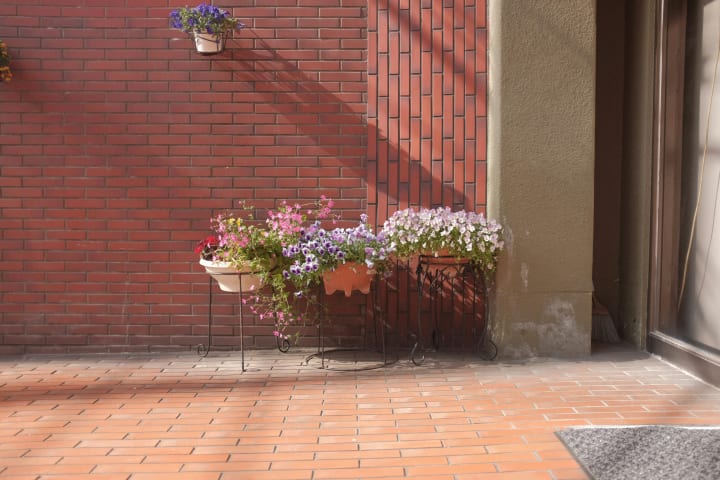
Your patio pavers should complement the surrounding landscape. The area will be measured and marked off. Edge restraints will be put in place to secure the pavers. This ensures that everything stays in its place and does not shift over time.
This is where it looks like everything is coming together. Different methods of laying pavers include starting from a central point or from one side of the patio area. Pavers may also need to be cut to shape for the edges.
As the pavers are placed and perfectly spaced, you will see how beautiful it all starts to look. This is also when you will understand why the planning stage was so important. Getting the pavers into place so that they look good and create the aesthetic you were after comes from proper planning.
The finishing touches
Once the pavers are all in place, it’s time for the finishing touches. The installation team will fill the spaces between the pavers with sand. Not just any sand, however, because normal sand would wash away over time. However, something like polymeric sand solidifies with water, creating a stable joint for the pavers.
The pavers do need time to settle securely, and the sand between them needs to solidify properly. The installation crew will inform you of the estimated time, although it typically takes a day or two.
Factors That Could Affect the Timeline
Even though a normal project has a predictable flow, several variables can affect and sometimes increase the timeline. Setting reasonable expectations and guaranteeing a smooth process requires an understanding of these factors.
The project scope
The project’s size and requirements are the first variables that can alter the timetable. It will take longer to finish, for instance, if you’re installing pavers over a particularly large area.
Materials
The type of paver materials that you’ve chosen could affect the timeline. Your contractor will advise if the materials are available or if some pavers take longer to source. Some materials are also easier to install. Concrete pavers are easier to install than natural stone because stones are never a standard size. It takes longer to position natural stones to avoid huge gaps.
Natural stone pavers can be cut to size, although this can be more time-consuming than using other types of pavers.
The weather
Factor the elements into the equation as well. You may need to delay the project for a few days if rainy weather is predicted. Additionally, temperatures that fall below the freezing point can make excavating the ground more difficult.
Extreme heat is another problem because it can cause everything to dry too quickly, which could weaken the bonding between pavers. And windy conditions could see the sand being blown away before it gets a chance to settle.
The site
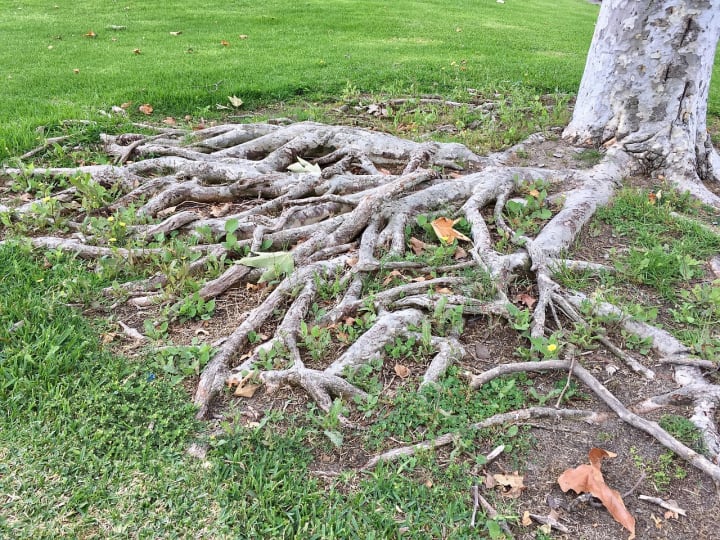
The area where the patio pavers are being installed can also present some challenges. For instance, if the soil is very spongy or clay-like, it could require a thicker base. If nearby trees have grown large, stubborn roots, these would need to be removed so they don’t lift the pavers. Any underground utility lines may also affect the project’s timeline.
Getting the Job Done Right
If you were building your patio as a DIY project, expect to spend at least double the time on the project. Remember that you have to do all the planning, organizing, purchasing, and preparation, and then start the job. It’s definitely better to get professionals from the start. They will know how best to do the job. And to do it right.
However, by knowing the main stages of the project, you can feel more prepared because you know what to expect throughout the timeline and when it should happen. And before long, you’ll be able to enjoy your newly constructed patio with perfect pavers.
About the Creator
Andrew Lemieux
Andrew is a creative writer, poet, and content strategist. He is passionate about literature, food, wine, travel, and sports. In his spare time he enjoys working on home projects and restoring the 1837 Greek Revival he and his wife own.
Keep reading
More stories from Andrew Lemieux and writers in Families and other communities.
Timeless vs. Trendy: Finding the Right Style for Your Home
Key Takeaways Remodeling a home is costly and time-consuming, not something you should have to redo because of a short-lived trend. Some design choices, like hardwood floors and crown molding, are timeless, while others, like shag carpeting and barn doors, are not. The big question is how to balance timelessness and trendiness with interior design.
By Andrew Lemieux6 months ago in Families




Comments
There are no comments for this story
Be the first to respond and start the conversation.