
The Homeowner’s Guide to Seasonal Landscape Maintenance in California
Jerry Allison Landscaping
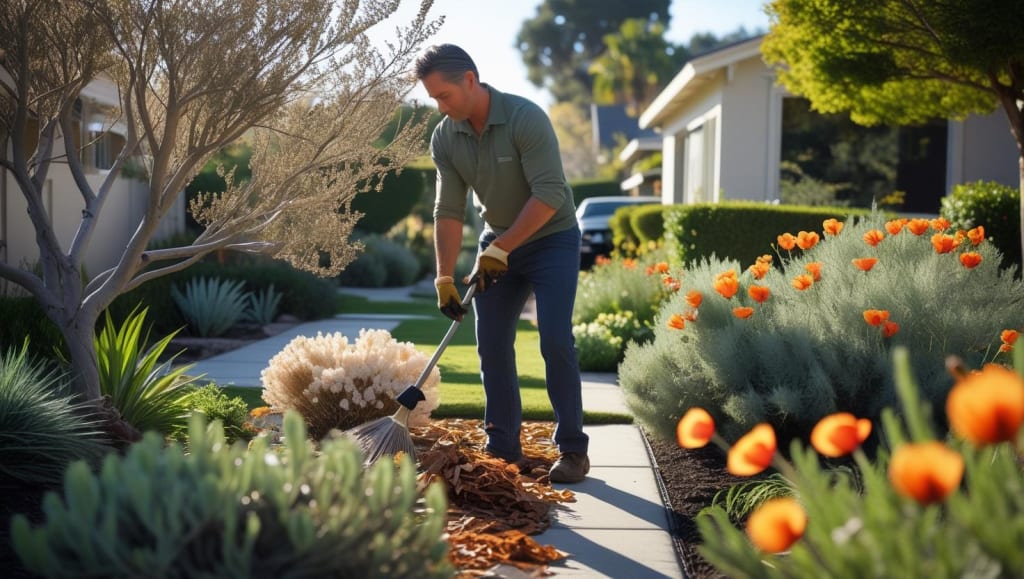
California’s diverse climate—ranging from foggy coastal zones to arid inland valleys—makes landscaping both a science and an art. For homeowners and small business owners alike, understanding the timing and techniques of landscape maintenance throughout the year is essential for keeping outdoor spaces healthy, beautiful, and functional.
Unlike regions with a uniform four-season structure, California’s microclimates require a more nuanced, location-specific approach. Whether you live in the Bay Area, the Central Valley, or Southern California, this seasonal guide will help you develop a proactive landscaping plan that saves water, reduces maintenance costs, and maximizes curb appeal.
Why Seasonal Landscape Maintenance Matters
Neglecting landscape upkeep, even for a single season, can lead to:
- Drought stress or overwatering
- Pest infestations
- Weed overgrowth
- Lawn and plant diseases
- Costly long-term repairs or replacements
Consistent seasonal maintenance not only preserves the health of your yard—it protects your investment, reduces your water bill, and ensures your property remains inviting and usable throughout the year.
Spring: Revive and Prepare
🌿 Focus Areas:
- Soil conditioning
- Planting and pruning
- Irrigation system startup
- Fertilizing and mulching
Spring is about reawakening your landscape after the winter months. In many parts of California, this is when native and drought-tolerant plants begin actively growing, and it's also the best time to plant new shrubs, perennials, and trees.
✅ Key Tasks:
- Test and amend your soil with compost or organic matter.
- Aerate lawns to improve oxygen and nutrient absorption.
- Prune deadwood and shape trees or hedges before new growth fully sets in.
- Inspect and restart your irrigation system: Check for leaks, clogs, and sprinkler coverage.
- Apply pre-emergent herbicides to prevent spring weed outbreaks.
- Add fresh mulch around plant beds to retain moisture and suppress weeds.
Tip: Spring is also the time to plan hardscaping projects like patios, walkways, or retaining walls. Many professional landscapers book up quickly in spring, so act early.
Summer: Monitor, Maintain, and Conserve
🔥 Focus Areas:
- Water efficiency
- Heat stress management
- Pest control
- Lawn care
California summers can be intense, especially inland where triple-digit heat and water restrictions are common. During this season, maintenance shifts from growth to preservation.
✅ Key Tasks:
Adjust irrigation schedules for early morning or late evening watering to reduce evaporation.
- Install or maintain drip irrigation systems for shrubs and beds.
- Monitor for leaf scorch, wilting, or sunburn, especially on young or transplanted plants.
- Sharpen mower blades and raise mowing height to help lawns resist drought.
- Keep an eye out for aphids, spider mites, and scale insects.
- Hand-pull or spot-treat persistent weeds.
Tip: Use mulch and groundcover plants to create natural moisture barriers and reduce heat reflection near walls or patios.
Fall: Restore and Reinforce
🍂 Focus Areas:
- Overseeding
- Planting cool-season crops and ornamentals
- Tree care
- Landscape cleanup
Fall is California’s second planting season, thanks to cooler temperatures and early rains. It’s also the ideal time to repair summer damage and prep the landscape for winter.
✅ Key Tasks:
Overseed thin lawns with cool-season grasses like fescue or rye.
- Plant fall-blooming flowers, bulbs, and native perennials.
- Prune dead or crossing limbs from trees before winter storms hit.
- Rake and remove fallen leaves to prevent mold or pest buildup.
- Apply organic fertilizers to restore nutrients lost over summer.
- Replenish mulch to insulate plant roots and suppress winter weed growth.
Tip: Fall is a smart time to reassess plant choices. Remove underperforming or high-maintenance species and replace them with drought-tolerant alternatives.
Winter: Protect and Plan
❄️ Focus Areas:
- Frost protection
- Structural pruning
- Drainage management
- Planning future upgrades
While some areas of California see minimal winter impact, others experience frost, heavy rainfall, or even snow. Use this season to protect existing plants and develop strategies for next year.
✅ Key Tasks:
- Wrap tender plants or use frost cloths in colder areas.
- Cut back dormant grasses and perennials to encourage spring regrowth.
- Clean and inspect gutters and downspouts to prevent landscape flooding.
- Perform structural pruning on trees and shrubs for improved form and airflow.
- Plan landscape improvements or hardscape installations for early spring execution.
Tip: Winter is a great time to work with a landscape professional on design enhancements, irrigation upgrades, or lighting improvements without the rush of peak season.
Monthly Maintenance Essentials
While seasonal tasks are crucial, consistency month-to-month makes the biggest difference. Here’s a sample monthly checklist:
Month Key Focus
January Prune trees, plan plantings, check drainage
February Fertilize citrus, prep soil, clean debris
March Aerate lawn, apply pre-emergents
April Plant annuals, check irrigation systems
May Mulch beds, inspect for pests
June Adjust irrigation, mow higher
July Monitor for heat stress and insects
August Deep water trees, inspect mulch
September Begin fall planting, overseed lawns
October Fertilize, rake leaves, winterize systems
November Trim hedges, protect cold-sensitive plants
December Plan upgrades, prune deciduous trees
Landscape Maintenance Tips for Small Business Owners
Commercial properties need the same care—but often face added pressures related to safety, signage visibility, and foot traffic.
Pro Tips for Businesses:
Keep entry areas clear and professionally edged.
Use low-maintenance, high-impact plants near walkways or signage.
Maintain lighting and irrigation systems for year-round consistency.
Schedule seasonal updates to reflect holidays or peak business periods.
Work with professionals who understand ADA compliance and liability protection.
The Role of Professional Landscape Maintenance Services
Even the most committed DIY homeowner or business owner can benefit from periodic help from landscaping professionals. Services may include:
- Weekly or bi-weekly maintenance
- Seasonal planting and irrigation adjustments
- Lawn restoration and fertilization
- Integrated pest management
- Landscape lighting installation and repair
- Storm damage cleanup
Hiring a trusted local provider ensures the landscape remains vibrant while saving you time and avoiding costly mistakes.
Conclusion: A Year-Round Commitment to Landscape Health
Seasonal landscaping isn’t just about aesthetics—it’s about sustainability, property value, and long-term health. By aligning your maintenance efforts with California’s unique climate cycles, you can create an outdoor environment that thrives in every season.
Whether you’re nurturing a home garden, managing a business property, or considering a design overhaul, a thoughtful seasonal plan will reduce waste, lower costs, and maximize the beauty of your space.
About the Creator
Keep reading
More stories from Jared Benning and writers in 01 and other communities.
Top 10 Signs Your Hardwood Floor Needs Repair or Replacement
Hardwood floors are prized for their natural beauty, durability, and timeless appeal. Whether in a cozy home or a bustling commercial space, well-maintained hardwood flooring elevates any environment. However, like all materials, hardwood has its limits. Years of use, environmental changes, and improper maintenance can take a toll—and there comes a point when repair or even full replacement is necessary.
By Jared Benning7 months ago in 01
Trump, Starlink, and the Battle for Connectivity in Iran
In what has become one of the most volatile periods in recent Iranian history, the convergence of international politics and cutting-edge technology has taken center stage. As mass protests continue to shake cities across Iran and authorities enforce one of the most severe internet blackouts in decades, former U.S. President Donald Trump has publicly linked his response to the crisis with the role of satellite internet — specifically Elon Musk’s Starlink — as a potential lifeline for Iranian citizens.
By Muhammad Islam khan swati5 days ago in 01
Who’s Leading Fintech in 2026? Top App Development Companies
When it comes to building secure, scalable, and innovative financial solutions — from digital banking platforms and payment systems to AI-driven risk tools — picking the right partner can make or break your success. In 2026, fintech is evolving faster than ever, powered by AI, cloud-native architectures, blockchain, and embedded finance. Below are the foremost companies shaping the future of fintech technology.
By Aarti Jangidabout 7 hours ago in 01
Rachel Reviews: The Spiral Archive by Pieter Hendrik
It's difficult for me to know where to start with a review of this book as it was, for me, an entirely unique experience and one that I'll probably never have again. I don't want that to be interpreted as unenjoyable but it has left me scratching my head a little and ruminating on its content, its themes and its characters.
By Rachel Deeminga day ago in BookClub



Comments (1)
California's climate makes landscaping tricky. Seasonal maintenance is key. In spring, focus on soil, planting, and irrigation. I've learned the hard way that neglecting it can lead to problems.