
What's one food most people are eating that probably causes cancer?
It is essential to approach this question with caution and precision.

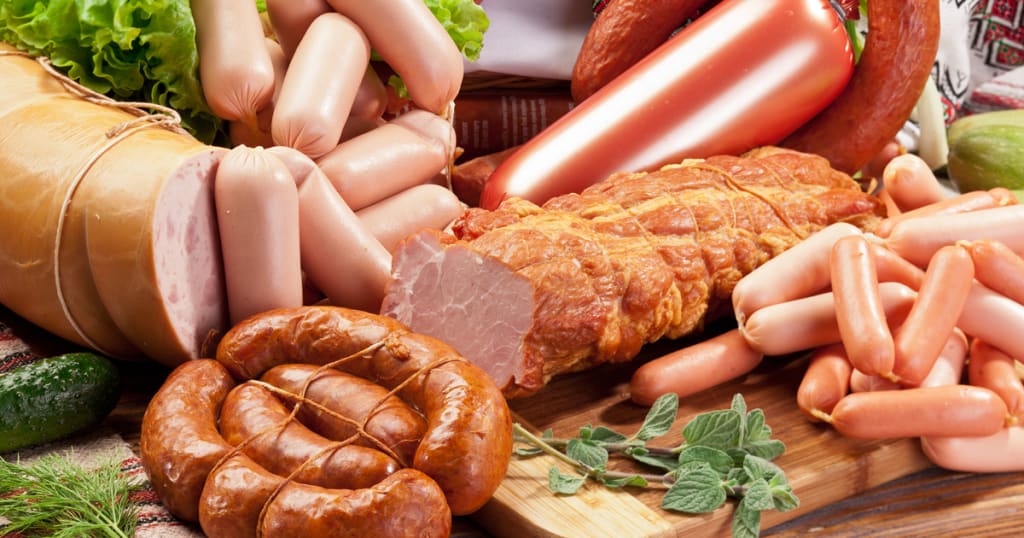
It is essential to approach this question with caution and precision, as making blanket statements about specific foods causing cancer can be misleading. However, one dietary factor that has been linked to an increased risk of cancer is processed meats. Processed meats include various types of meats that have been preserved through smoking, curing, salting, or adding preservatives. Examples include bacon, sausages, hot dogs, and deli meats.
Research suggests that consuming processed meats regularly may elevate the risk of certain types of cancer, particularly colorectal cancer. This association is thought to be due to the presence of compounds such as nitrites and nitrosamines, which can form during the processing of these meats and are known carcinogens.
It is important to note that while the consumption of processed meats has been linked to an increased cancer risk, it is just one factor among many that can influence cancer development. A balanced diet rich in fruits, vegetables, whole grains, and lean proteins, along with other healthy lifestyle choices, remains key in reducing overall cancer risk.
Processed meats have been a staple in many diets for decades, but emerging research has shed light on their potential health risks, particularly regarding cancer. Processed meats undergo various preservation methods such as smoking, curing, salting, or adding preservatives to extend shelf life and enhance flavor. While these techniques contribute to the convenience and taste of these products, they also introduce certain compounds that have been linked to an increased risk of cancer.
One such group of compounds found in processed meats are nitrites and nitrosamines. Nitrites are commonly added to processed meats as preservatives to prevent bacterial growth and maintain their color. However, when these nitrites interact with certain components in the meat, such as amino acids, they can form nitrosamines. Nitrosamines are known carcinogens, meaning they have the potential to cause cancer.
Research, including epidemiological studies and animal experiments, has consistently shown a correlation between the consumption of processed meats and an elevated risk of certain types of cancer, most notably colorectal cancer. The mechanisms underlying this association are complex and multifaceted. Nitrosamines, for example, can damage DNA, disrupt cell function, and promote tumor growth, contributing to the development of cancer.
Moreover, the high levels of fat and salt often present in processed meats may also play a role in cancer risk. Diets high in saturated fats have been linked to various health problems, including obesity and cardiovascular disease, which are risk factors for certain types of cancer. Excessive salt intake has been associated with an increased risk of stomach cancer, further highlighting the potential health concerns associated with processed meats.
It is important to emphasize that while processed meats may increase the risk of cancer, they are just one piece of the puzzle when it comes to overall health. Cancer development is influenced by a multitude of factors, including genetics, lifestyle choices, environmental exposures, and overall dietary patterns. Thus, it is essential to adopt a balanced diet that includes a variety of whole foods such as fruits, vegetables, whole grains, and lean proteins while limiting the consumption of processed and red meats.
In summary, while processed meats are convenient and tasty, their regular consumption has been linked to an increased risk of cancer, particularly colorectal cancer, due to the presence of compounds like nitrites and nitrosamines. To minimize this risk, it is advisable to moderate intake and focus on a diet rich in whole, unprocessed foods. Making informed dietary choices and maintaining a healthy lifestyle are crucial steps in reducing the risk of cancer and promoting overall wellbeing.
About the Creator
Keep reading
More stories from writers in Families and other communities.
Wise~Guys
— Look Behind what's in Front of You ~ Make Good Choices — Hey, So how you Doin'..! Made~Men — Mobster Movies romanticise a distinctive, elegant appearance, impeccable attire style, along with the 'Families' expressive lingo. Making their 'Bones' gave them Panache — with vintage fedoras, tailored pin-striped suits, mirror-polished wing-tip shoes adorned with tassels; with their 'Gun Moll' gorgeous dates on their arms.
By Jay Kantor18 days ago in Families
Buddha's Inner Peace
In a world that never stops moving, the image of Buddha sitting in perfect stillness beneath the Bodhi tree offers something we desperately need: a reminder that true peace exists not outside ourselves, but within. The story of Buddha's enlightenment isn't just an ancient tale—it's a roadmap to discovering the profound calm that lies dormant in each of us.
By Susmit Bhowmik5 days ago in Families



Comments
There are no comments for this story
Be the first to respond and start the conversation.