
What is the Behavior of a Person with Vascular Dementia?
Understanding the behavioral changes and challenges in vascular dementia.
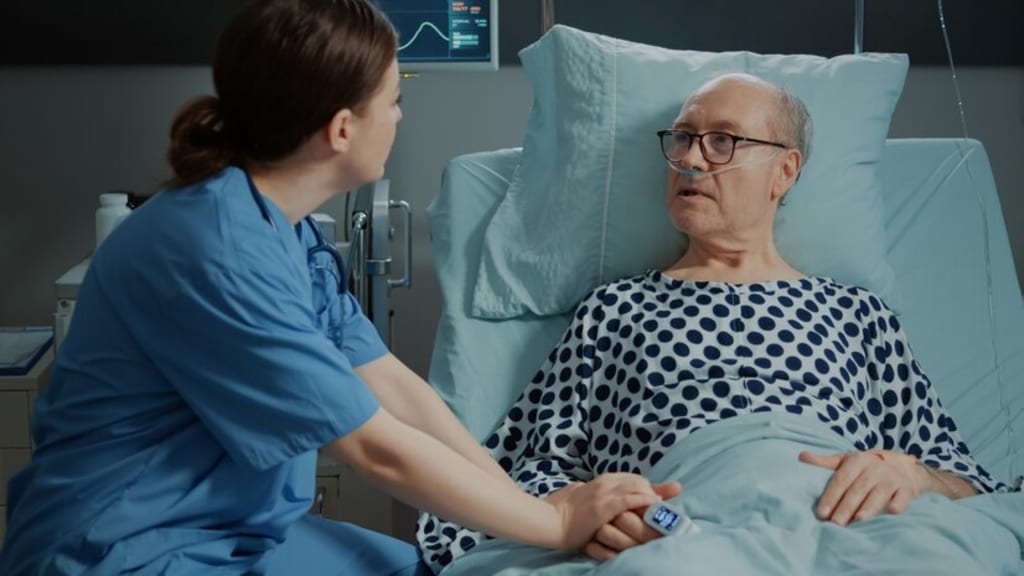
Vascular dementia is one of the most common forms of dementia, which is caused by reduced blood flow to the brain. It significantly affects cognitive function and daily behaviors. This condition progresses over time, leading to distinct behavioral and psychological changes. Understanding these behaviors is essential for providing appropriate care and support.
Symptoms and Behavioral Patterns in Vascular Dementia
Memory Loss and Cognitive Decline
Memory problems are one of the earliest symptoms of vascular dementia. Unlike Alzheimer's disease, which usually starts with short-term memory loss, vascular dementia can impact specific areas of cognitive function depending on the brain region affected. For instance, people may have trouble:
- Recalling recent events or conversations
- Making decisions or solving problems
- Understanding and processing new information
Emotional Instability
Emotional regulation can become problematic for a patient suffering from vascular dementia. The patient might show sudden mood swings, irritation, or frustration. In addition, patients might express anxiety or depression due to the realization of the deterioration in their cognitive function.
Inability to Communicate Effectively
Speech and language is usually affected by vascular dementia. It can take many forms, including:
- Loss of words
- Difficulty following a conversation
- Speaking with too much repetition
Caregivers should be tolerant and speak in plain language that the patient will easily understand.
Changes in Social Behavior
Social Isolation
As the cognitive ability becomes more challenging, many individuals with vascular dementia start isolating themselves from the society. This may be due to frustration or humiliation with memory loss or communication problem.
Aggressive or Inappropriate Behavior
Some of the patients may become aggressive, hostile, or even carry out inappropriate behavior. The cause is not intentional but as a result of disruption in certain parts of the brain that regulate impulses.
Vascular Dementia Effect on Daily Life
Failure to Perform Routine Activities
Over the course of progression, such individual may become extremely hard-stricken in his/her personal activities, as:
- Eating or preparation of the meal
- Ability to pay bills
- Compliance in proper medication intake schedules
The patient will now lose spacial awareness with respect to familiar places in which even sometimes he/she get lost out of his room.
Behavioral and Psychosocial Challenges Late Stage
Hallucination & Insanity
At a more advanced stage, there might be hallucinations or delusions. These symptoms can be distressing and thus require careful management from the caregivers and medical professionals.
Physical Restlessness
The patients often exhibit physical restlessness or wandering. The environment should be safe enough to avoid accidents or injuries for these patients.
Behavior and Life Expectancy
"Vascular Dementia Life Expectancy Over 80": Understanding
Life expectancy depends on the state of individual health conditions, vascular dementia life expectancy over 80 often relies on the severity of symptoms, the general health, and how the coexisting diseases such as heart disease or diabetes are being managed. The behavioral symptoms can give information about disease progression, helping caregivers to prepare for suitable care.
Coping Strategies for Caregivers
Promote Routine and Structure
A daily routine can help to make the person feel stable, and confusion will be decreased. Activities should be simple, familiar, and enjoyable.
Use Nonverbal Communication
When verbal communication is difficult, nonverbal communication such as eye contact, gestures, and facial expressions can help to convey a sense of understanding and empathy.
Seek Professional Support
Professional resources, such as memory care facilities or respite services, can provide much-needed relief for caregivers while ensuring patients receive high-quality care tailored to their needs.
Conclusion
The behavior of a patient with vascular dementia changes with time and thus poses new challenges to both the patient and the caregiver. An understanding of these behavioral changes and their underlying causes can enable families and healthcare professionals to develop an environment that is conducive to dignity and well-being. Early intervention, structured care plans, and compassion are critical elements in effective management of this complex condition.
About the Creator
Keep reading
More stories from Amiee Fraley and writers in Families and other communities.
Can Someone Recover from Aphasia?
Aphasia is a condition characterized by impairments in communication which arise due to stroke, or any form of acquired brain injury. It can include impairment in speech, writing, and comprehension. These issues prove very challenging for most affected people and their families. Still, the question would always come: Can the individual ever get better from aphasia? The possibility of recovery in cases of aphasia with relation to aphasia and dementia is covered here, along with treatment options and factors which might determine outcomes in recovery.
By Amiee Fraleyabout a year ago in Families
Wise~Guys
— Look Behind what's in Front of You ~ Make Good Choices — Hey, So how you Doin'..! Made~Men — Mobster Movies romanticise a distinctive, elegant appearance, impeccable attire style, along with the 'Families' expressive lingo. Making their 'Bones' gave them Panache — with vintage fedoras, tailored pin-striped suits, mirror-polished wing-tip shoes adorned with tassels; with their 'Gun Moll' gorgeous dates on their arms.
By Jay Kantor18 days ago in Families
Kids Beds Suitable for Smaller Bedrooms: Smart Comfort Without Crowding
Not every child has a large bedroom. In many homes, space is shared or limited, which means every piece of furniture needs to be chosen carefully. A bed that is too big or bulky can make a small room feel cramped and uncomfortable.
By Shazad Khan3 days ago in Families




Comments
There are no comments for this story
Be the first to respond and start the conversation.