
What health risks are associated with anorexia
risks are associated with anorexia and some advice to keep your health good

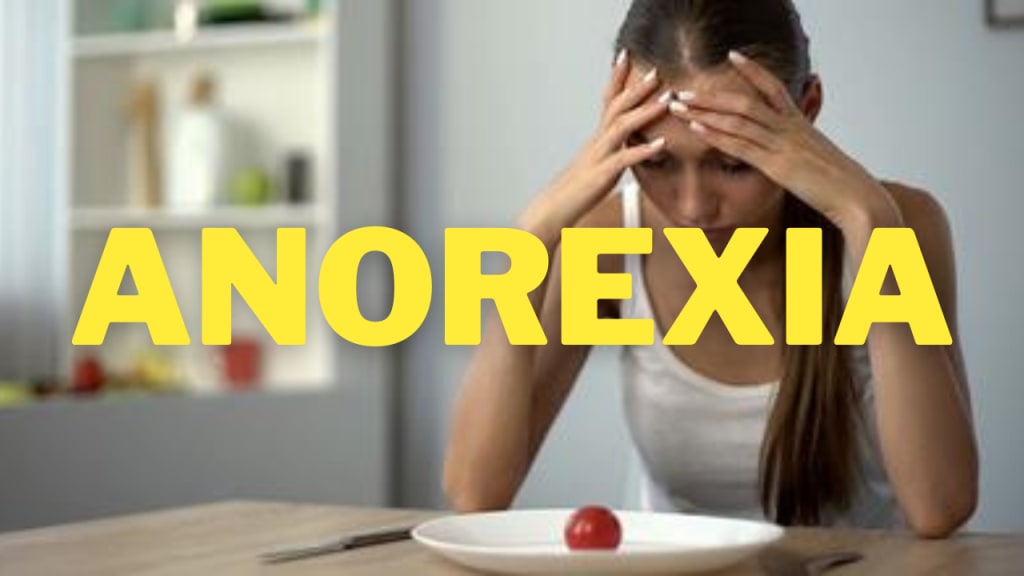
Anorexia nervosa is an eating disorder characterized by a distorted body image and an intense fear of gaining weight. It is a serious mental health condition that can have severe consequences on a person's physical health. Individuals with anorexia often restrict their food intake and engage in excessive exercise to maintain a low body weight. In this article, we will explore the health risks associated with anorexia.
Malnutrition
One of the most significant health risks associated with anorexia is malnutrition. When a person restricts their food intake, their body is unable to get the necessary nutrients it needs to function correctly. This can lead to a range of health problems, including:
Weakness and fatigue: Lack of nutrients can cause muscle weakness and fatigue, making it difficult to perform everyday tasks.
Osteoporosis: Anorexia can lead to bone loss, which can result in osteoporosis. This condition weakens bones, making them more susceptible to fractures.
Anemia: Anorexia can cause iron-deficiency anemia, a condition that results from a lack of red blood cells in the body.
Organ damage: Malnutrition can damage vital organs, such as the heart, liver, and kidneys, making it difficult for them to function correctly.
Cardiovascular complications
Anorexia can have severe effects on the cardiovascular system. When a person with anorexia restricts their food intake, their heart rate and blood pressure decrease. This puts a strain on the heart and can lead to cardiovascular complications, including:
Heart failure: Anorexia can weaken the heart muscle, leading to heart failure, a condition where the heart is unable to pump enough blood to meet the body's needs.
Bradycardia: Anorexia can cause the heart rate to slow down, a condition known as bradycardia. This can lead to dizziness, fainting, and even cardiac arrest.
Hypotension: Anorexia can cause low blood pressure, a condition known as hypotension. This can lead to dizziness, fainting, and even shock.
Gastrointestinal problems
Anorexia can cause a range of gastrointestinal problems. When a person with anorexia restricts their food intake, their digestive system slows down, which can lead to:
Constipation: Anorexia can cause constipation, a condition where a person has difficulty passing stools.
Gastroparesis: Anorexia can cause gastroparesis, a condition where the stomach takes too long to empty its contents.
Gastric rupture: Anorexia can cause gastric rupture, a life-threatening condition where the stomach ruptures due to excessive pressure.
Endocrine disorders
Anorexia can have severe effects on the endocrine system, which is responsible for producing and regulating hormones in the body. When a person with anorexia restricts their food intake, their body goes into starvation mode, which can lead to:
Amenorrhea: Anorexia can cause amenorrhea, a condition where a woman's menstrual cycle stops.
Hypoglycemia: Anorexia can cause hypoglycemia, a condition where a person's blood sugar levels drop too low.
Thyroid dysfunction: Anorexia can cause thyroid dysfunction, a condition where the thyroid gland produces too little thyroid hormone.
Psychological problems
Anorexia can have severe effects on a person's mental health. When a person has anorexia, they have a distorted body image and an intense fear of gaining weight. This can lead to:
Depression: Anorexia can cause depression, a mental health condition characterized by feelings of sadness and hopelessness.
Anxiety: Anorexia can cause anxiety, a mental health condition
characterized by feelings of worry and fear.
Obsessive-compulsive disorder (OCD): Anorexia can cause OCD, a mental health condition characterized by unwanted, intrusive thoughts and repetitive behaviors.
Body dysmorphic disorder (BDD): Anorexia can cause BDD, a mental health condition characterized by a preoccupation with perceived flaws in one's appearance.
Infertility
Anorexia can have severe effects on a person's reproductive system. When a person with anorexia restricts their food intake, their body goes into starvation mode, which can lead to:
Infertility: Anorexia can cause infertility, a condition where a person is unable to conceive a child.
Pregnancy complications: Anorexia can cause pregnancy complications, including premature birth, low birth weight, and stillbirth.
Death
Anorexia can be life-threatening. When a person with anorexia restricts their food intake, their body goes into starvation mode, which can lead to:
Sudden cardiac arrest: Anorexia can cause sudden cardiac arrest, a condition where the heart suddenly stops beating.
Suicide: Anorexia can cause suicidal thoughts and behaviors, which can be life-threatening.
Conclusion
Anorexia nervosa is a serious mental health condition that can have severe consequences on a person's physical and mental health. Individuals with anorexia often restrict their food intake and engage in excessive exercise to maintain low body weight. This can lead to a range of health problems, including malnutrition, cardiovascular complications, gastrointestinal problems, endocrine disorders, psychological problems, infertility, and even death. If you or someone you know is struggling with anorexia, it is essential to seek help from a qualified healthcare professional. Treatment options include psychotherapy, medication, and nutritional counseling. With proper treatment and support, individuals with anorexia can recover and lead healthy, fulfilling lives.
If you are concerned about maintaining good health and avoiding the health risks associated with anorexia, there are several things you can do to take care of yourself:
Eat a healthy, balanced diet: It is essential to eat a diet that is balanced and contains all the necessary nutrients your body needs. This includes a variety of fruits, vegetables, whole grains, lean proteins, and healthy fats.
Exercise in moderation: Exercise is important for maintaining good health, but it is essential to do it in moderation. Over-exercising can put a strain on your body and lead to health problems.
Get enough rest: Getting enough rest is important for your physical and mental health. Make sure to get enough sleep and take breaks throughout the day to rest and recharge.
Practice self-care: Taking care of yourself is essential for your overall well-being. This includes things like taking a relaxing bath, reading a book, or spending time with friends and family.
Seek help if you need it: If you are struggling with anorexia or any other mental health condition, it is essential to seek help from a qualified healthcare professional. Treatment options include psychotherapy, medication, and nutritional counseling.
Remember that good health is about balance and taking care of yourself. Listen to your body and give it what it needs to function correctly. If you have concerns about your health or are struggling with anorexia, reach out for help. With the right treatment and support, you can maintain good health and lead a fulfilling life.
About the Creator
akki mimoun
Your Spirit is Wonderland Your Imagination Make it Nice
Keep reading
More stories from akki mimoun and writers in Families and other communities.
Which health insurance is the best
When it comes to choosing the best health insurance, there is no one-size-fits-all answer. The best health insurance plan for you depends on your specific healthcare needs, budget, and personal circumstances. In this article, we will provide a brief overview of the different types of health insurance plans and some factors to consider when choosing the right one for you.
By akki mimoun3 years ago in Families
Wise~Guys
— Look Behind what's in Front of You ~ Make Good Choices — Hey, So how you Doin'..! Made~Men — Mobster Movies romanticise a distinctive, elegant appearance, impeccable attire style, along with the 'Families' expressive lingo. Making their 'Bones' gave them Panache — with vintage fedoras, tailored pin-striped suits, mirror-polished wing-tip shoes adorned with tassels; with their 'Gun Moll' gorgeous dates on their arms.
By Jay Kantor20 days ago in Families



Comments
There are no comments for this story
Be the first to respond and start the conversation.