
What does it Mean When a Dementia Patient Says They Want to Go Home?
Understanding the Deeper Meaning Behind 'I Want to Go Home' in Dementia Care

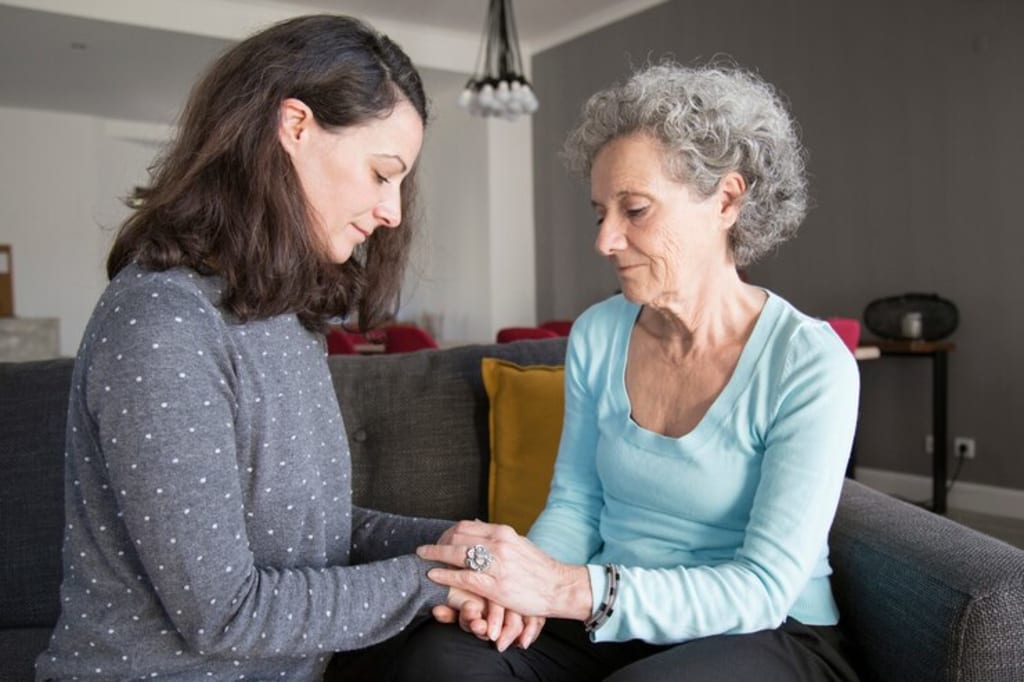
I want to go home is the most common statement of distress by patients with dementia. This simple request becomes heart-wrenching for the caregivers and relatives puzzled and saddened that someone already in a familiar environment still says that he wants to go home. Clearly, a necessary requirement to effectively do memory care and enhance the quality of life for the patient is to understand what this phrase means, why it happens, and how to respond with compassion.
Understanding the Meaning Behind "I Want to Go Home"
1. Desire for Comfort and Security
When a dementia patient wants to go home, it often indicates a longing for a place where they once felt safe and secure. For others, "home" becomes attached to a time or place associated with familiarity, warmth, and comfort. Perhaps it is the childhood home, or an earlier place of dwelling, and for which they now hold only good memories.
As dementia develops, they will by necessity lose their regard for time and place, and anything they see may be unfamiliar to them, even if they have been there years. Talking about anxiety and confusion, some in modern society find themselves questioning who they are and/or if they might be going crazy.
3. Feeling of Loss
Dementia patients normally experience anxious and confused moments due to disease symptoms that reduce their cognitive functions. Everything going around may seem uncomfortable for them, therefore frightening or bothering them. In such situations, "I want to go home" will be taken literally as a desire to break away from that discomfort and find an at-home feeling.
3. A Form of Communication of Unsatisfied Needs
The communication ability is drastically impaired in dementia patients through the progression of dementia. They are not in a position to well communicate emotional pain, hunger, and other needs. When a patient with dementia says they want to go home, it may be a means of expression of an unsatisfied need in them, such as; being uncomfortable, feeling cold, or feeling a need for reassurance among others. Knowing the etiology can help the carer consider the root problem, other than just mere insistence to go home .
Why Do Dementia Patients Ask to Go Home?
1. Losing Recent Memories
Dementia generally starts by impairing short-term memory before long-term memory is affected. This means that while recent memories may fade, memories years ago remain relatively intact. When a patient with dementia insists on going home, the patient is probably thinking of a home from many years ago, a place which carries with it vivid emotional memories. A common reaction to this is nostalgia for earlier times in life as the patient may feel they live in an earlier era of their life.
2. Emotional Comfort Requirement
One of the outcomes for the advanced stages of dementia is that patients begin to feel very vulnerable. The urge to go home might be a plea for comforting, emotionally. For most of us, "home" reminds us of comfort and security. It calls forth a psychical feeling of protection that was taught in our childhood. It can be considered an emotional appeal for security, stability, and the people around who make one feel safe.
3. Stress Coping Mechanism
Sometimes, the repetition of a yearning to go home becomes a kind of emotional coping mechanism for a dementia patient in dealing with the stress and disorientation of someone suffering from such an illness. The patient feels lost, perhaps even overwhelmed, in an unfamiliar or too stimulating environment; therefore, hinging on returning to a comfortable, secure setting seems the only way to soothe their frustration. The phrase is thus used to convey the desire for a reprieve from the state of suffering.
HOW TO REACT WHEN A PERSON WITH DEMENTIA SAYS YOU WANT TO GO HOME
1. Comfort the person
If a patient with dementia says that he or she wants to go home, one needs to empathize and sympathize with that person. You should not correct that person; do not treat his feelings lightly. Acknowledge the emotions of that person. Let them know that everything is going to be alright. Say, "I understand you want to go home. Tell me more about your home," which allows them the opportunity to share their memories that may hopefully diffuse their anxiety.
2. Redirection and Diversion Strategies
One final, effective strategy is to change the topic or divert attention subtly. Engage the patient in something harmless they like to look at photo albums, listen to music, or something this simple. You can redirect their attention from the distressing thought of wanting to be back home into comfort in the present.
3. Familiar and Comfortable Environment
With a familiar and comforting environment, the frequency of such request will be less. Surrounding people include personal belongings, photographs, and objects with emotional significance. The point here is to make the place look as homelike and homey as possible. Additionally, maintaining everyday routine will help reduce the confusion and provide stability.
Understand Triggers for Emotional Breakdown
1. Identify patterns and triggers
This best happens through observing and recording patterns or triggers. For example, a dementia patient may constantly ask to go home at certain times of the day, like in the evening, a phenomenon known as "sundowning." Sundowning happens when the patient becomes more agitated and confused toward the late part of the afternoon or early evening hours. If one can identify a trigger, one can come up with ways that might help minimize the frustrations-at hand, such as turning down the lights or reducing the noise level.
2. Reminiscence Therapy
Reminiscence therapy might be one of the strong ways to help ease agitation that the patient has as a result of wanting to go home. Reminiscence therapy encourages the involvement of patients in sharing their past experiences and memory. Caregivers may then involve the patients in discussing some cherished moments in their life, which helps a patient become familiar and relaxed, hence reducing anxiety and wanting "to go home."
Caregivers' Practical Tips
1. Maintain a Calm Manner
Maintain a calm and soothing attitude when dealing with a dementia patient who wants to go home. Their feelings usually mirror the caregiver; that is, if the caregiver looks anxious or distressed, then the patient's distress increases. Speaking softly and using soft body language calms the situation.
2. Do not Argue nor Correct
Arguing or trying to straighten a dementia patient's perception of reality in general is unhelpful and tends to stir up agitation. Better to go along with their world and reassure them. A combination of phrases such as, "We will go home soon, but let's rest for a while first," tends to soothe without dismissing the emotions.
3. Seek Professional Help When Needed
In case the desire to go home persists and throws havoc on one's daily routine, this can be addressed with a healthcare provider or a professional in the management of dementia for some direction in personalized techniques and interventions that could help relieve such behaviors and further support the caregiver.
Conclusion
The desire for compassionate care requires understanding why a dementia patient wants to go home: a complex expression cut from emotional needs, memories, and the quest to make sense of an increasingly confusing world. Recognizing that this request is truly a call for comfort and security allows caregivers to respond appropriately, providing the message of reassurance and helping to build a nurturing environment around a patient in distress.
About the Creator
Rachel Randall
Rachel Randall is a compassionate advocate in the field of senior care, specializing in Independent Living Cottages, Assisted Living, and Memory Care services. With a deep commitment to enhancing the lives of older adults.
Keep reading
More stories from Rachel Randall and writers in Families and other communities.
How Does Memory Care Differ From Assisted living?
As people age, they tend to need varying degrees of support. Two popular alternatives are memory care facilities and assisted living communities. One is in principle welcoming elderly individuals who often have difficulty with their daily activities, but both differ considerably in whom they address their services to. Let's talk about the central differences between memory care and assisted living that may better tell you which choice would be better suited for your loved one.
By Rachel Randallabout a year ago in Families
Wise~Guys
— Look Behind what's in Front of You ~ Make Good Choices — Hey, So how you Doin'..! Made~Men — Mobster Movies romanticise a distinctive, elegant appearance, impeccable attire style, along with the 'Families' expressive lingo. Making their 'Bones' gave them Panache — with vintage fedoras, tailored pin-striped suits, mirror-polished wing-tip shoes adorned with tassels; with their 'Gun Moll' gorgeous dates on their arms.
By Jay Kantor18 days ago in Families
8 Thriller Movie Masterpieces So Great That They Became the Blueprint
The best thrillers are those that don't just entertain but redefine what the genre itself can be. Ranging from unforgettable villains to groundbreaking storytelling and reality-bending concepts, there exist quite a few masterpieces that have set the standard that countless movies would later attempt to follow.
By General gyan7 days ago in Families




Comments
There are no comments for this story
Be the first to respond and start the conversation.