
What can the 1925 Silent Generation Teach about 2021 Values and Survival
"Your grandparents were called to war. You're being called to get off the couch. You can do this."

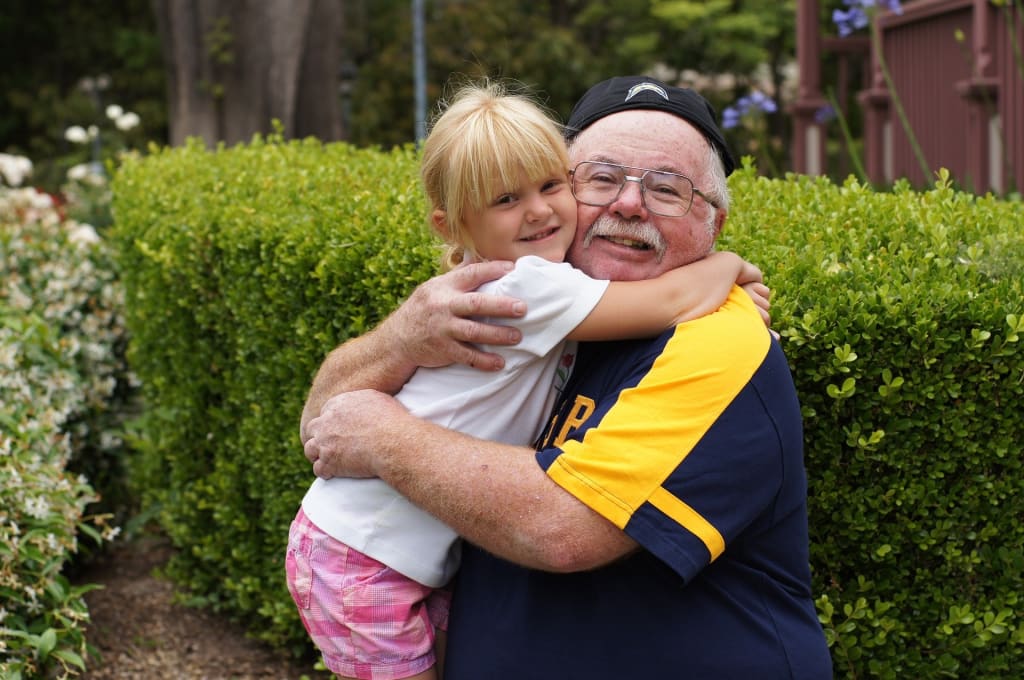
I asked a friend once if he knew who the silent generation was. Without hesitation, he said they must be the young people walking by with their faces glued to their cell phones, not looking or talking. How very wrong…in fact, they are the opposite end of the spectrum. They have a lot to teach us about perseverance in tough times to believing in yourself as a good and worthy person with a better tomorrow. They deserve our respect.
Who Are the Silent Generation?
They were born roughly between 1925 and 1945, now range in age from 75 to 95 years old. These years span from the beginning of the Great Depression to the end of World War II and they are sometimes called “Radio Babies” or “Traditionalists.”
They came of age after the war in a post-crisis social order that needed co-dependent systems and mutual respect. They weren’t interested to “change the system,” but instead wanted to “work within the system.” They didn’t like to take chances. They were taught to play by the rules that worked well for them. They married young at a median age of 21, purchased a house and car and secured their pension plans.
Some demographers have called their economic timing after the war as Lucky or Fortunate because they were able to join a booming economy right out of school.
“One feature of the Sputnik era was how the typical young man could earn more by age 30 than the average wage for men of all ages in his profession — and could certainly live better than most “retired” elders. Richard Easterlin
That’s how, with hard work and positive motivation and principles, they amassed material good fortune becoming the healthiest, the wealthiest and most educated generation of elders that ever lived.
In many ways these Silent elders have become economic harbingers in the new recourse to multigenerational family living. Many help to subsidize their grown Boomer or Xer kids. Many can set up college trust funds for their grandchildren and sometimes they may even have to assume formal custody of them.
Different Eras Formed other Generations
Baby Boomers … born between 1946 to 1964, during the post–World War II baby boom in a time of increasing affluence genuinely expecting the world to improve with time.
Generation X … born between 1965 and 1980s in a time of shifting societal values, sometimes called the “latchkey generation”, due to reduced adult supervision as a result of increasing divorce rates and increased maternal participation in the workforce.
Generation Y or Millennials … born between 1980 and 2010 (approx) in transition between the offline and online world referred to as digital natives bypassing traditional cultural gatekeepers and defining their own tastes, trends, and values
Generation Z ... born between 1997-2012, following millennials. This is the only generation mostly raised on the internet and social media which has sponsored their unique social, economic and marketing features by becoming the largest consumers' force.
Today our current generations are facing a calamitous economy with serious challenges unheralded before such as globalization factors, automation, soaring health care costs, stagnant wages, and depleted savings following the Great Recession of 1980’s.
Making a living today is a much more demanding convolution with stressful edges than 50 years ago. What can you do with smaller savings with mortgage or rent payments, rising consumer debt, taxable student debts or child care payments? Then, it seemed like overnight our social foundation was blown up with the tragic worldwide pandemic and Covid-19 recession. All of a sudden, people had to survive on historically high levels of unemployment, restricted travel and social distancing with mandated lockdowns for small businesses and other complexes.
Embrace the Traditional Values of the Silent Generation
Unfortunately, we cannot control economic transitions or incredibly rare viral forces of nature; but, perhaps, we can manage our own peer personalities, actions, attitudes and embrace the more traditional values of our parents or grandparents:
Be thrifty. Adapt a new austere way of thinking about resources. Buy less, recycle more. Avoid accumulation of material stuff to outshout the others.
Be respectful. Have a deep respect for ownership and authority. Maintain the same job or company for as long as you can if you can. Welcome a helping hand.
Be loyal, stable and dependable. Stand by your careers, religious beliefs, your relationships, and your families.
Be determined. Survive through austerity and difficult challenges with grit and determination. Believe tomorrow will be better.
Personally, I am a testament to my parents from the Silent Generation who passed on these values of thrift, respect, loyalty and determination that was our family legacy of five children to work and succeed in our communities.
We didn’t have much money so we shopped at sales, cooked food from scratch and ate meals together, we did our homework with paper and pencil, read books, entertained with board games at home or watched together one black and white TV with Father Knows Best and Lawrence Welk variety shows. We didn’t talk back to parents or teachers. Our friends were our neighbors. We watched non-violent movies with happy endings a few times a year. No enemies to fight on individual video games, no MTV music channels, no cell phones required, no hyperbolized Selfies to compete on the world wide web.
I’m not saying to live like pioneers with family fortitude; but, perhaps, for just awhile in this current catastrophic economic landscape with little to trust for sustenance or prosperity, it may be permissible to settle down to do more with basics and less with materialism.
Interestingly, the Silent Generation is still surviving through adversity and physical danger because of the pandemic, many of whom find themselves living in long-term care nursing homes. A good next question to research is why.
As the Time magazine article circa 1951 that first profiled the Silent Generation put it, it’s a population that has been “waiting for the hand of fate to fall on its shoulders, meanwhile working fairly hard and saying almost nothing,” while “taking its upsetting uncertainties with extraordinary calm.” They are a group who have known all kinds of sacrifice and “willingly submit to the cost, not from want of spirit, but from a knowledge that is the best thing to do.” NBCnews.com
Who in your family tree is a part of the Silent Generation? What were their experiences during their lives?
Annemarie Berukoff
About the Creator
Annemarie Berukoff
Experience begets Wisdom: teacher / author 4 e-books / activist re education, family, social media, ecology re eco-fiction, cultural values. Big Picture Lessons are best ways to learn re no missing details. HelpfulMindstreamforChanges.com
Keep reading
More stories from Annemarie Berukoff and writers in Families and other communities.
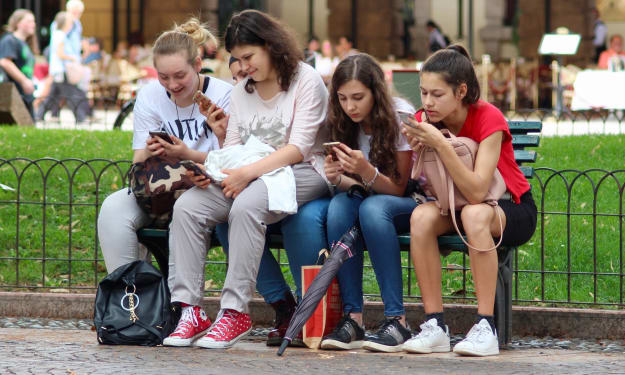
How to Counter Teen Cell Phone Addiction ... 10 Steps Advice or 1 Step Personal Mindset?
Do you know that a new field of social media psychology has come into existence in the past 10 to 15 years to study how the consequences of social media dependence will affect our children’s future.
By Annemarie Berukoff3 years ago in Families



Comments
There are no comments for this story
Be the first to respond and start the conversation.