
What are the requirements for installing a fiberglass pool?
The Complete Guide to Installing a Fiberglass Swimming Pool

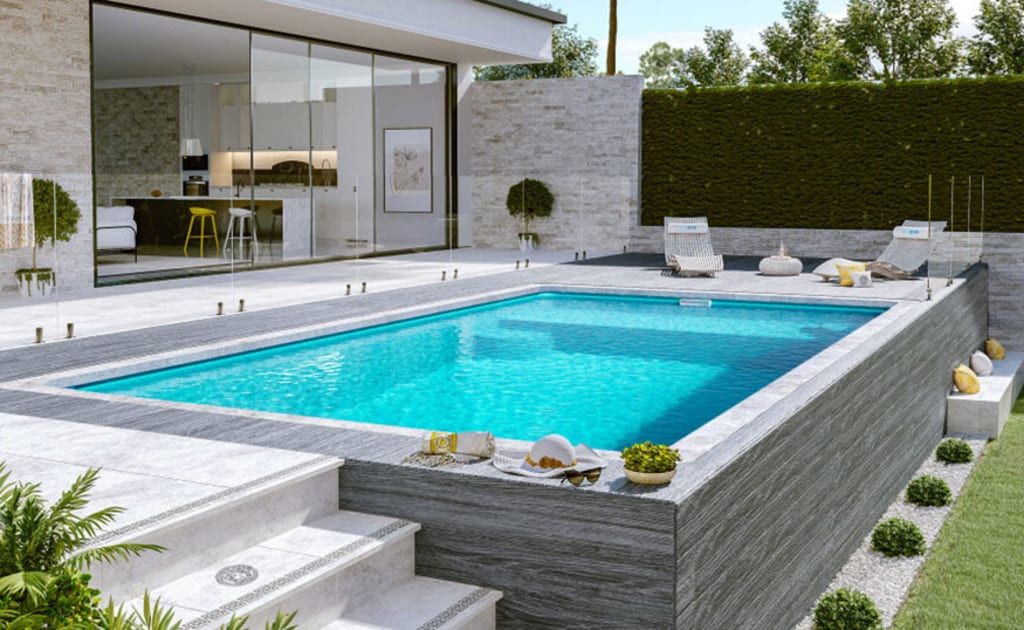
Installing a fiberglass pool involves a specific set of requirements and steps to ensure the pool is safely and properly installed. Here are the key requirements for installing a fiberglass pool:
1. Site Selection and Preparation
Space and Location:
Ensure the location has sufficient space for the pool, with enough room around it for safety, landscaping, and access to equipment.
Consider sunlight exposure, wind direction, and the view from your home to optimize the pool’s position.
Avoid installing the pool near large trees, power lines, or underground utilities.
Soil Conditions:
The soil should be stable, level, and firm enough to support the pool. Soft or unstable soil may require additional preparation or support (such as soil stabilization or retaining walls).
Drainage:
Proper drainage is critical to prevent water accumulation around the pool, which could cause shifting or structural damage. Ensure the area slopes away from the pool to direct water away from the installation site.
2. Permits and Regulations
Building Permits:
Before installation, check local zoning laws and building codes to ensure the pool complies with all regulations. Obtain any necessary permits for construction.
Pool Fence and Safety Regulations:
Most localities require fencing around the pool area to prevent accidental drownings, especially if there are young children in the home.
Fencing must typically be at least 4 feet high with self-closing gates and no gaps large enough for a child to pass through.
3. Fiberglass Pool Selection
Size and Shape:
Choose a fiberglass pool model that fits your space and usage needs. Fiberglass pools come in various shapes and sizes, from traditional rectangular to freeform and custom designs.
Delivery and Handling:
Ensure that the fiberglass pool shell can be delivered to the site. The delivery truck needs enough space to access the site, and it may require a crane or special equipment to lift the shell into place.
4. Excavation
Digging the Hole:
A professional excavation team will need to dig a hole that is slightly larger than the pool shell to allow for proper installation and backfilling.
The depth of the hole must be accurate according to the pool specifications, as fiberglass pools have a fixed depth, and improper excavation can lead to issues with leveling or alignment.
Utility Considerations:
Ensure no underground utilities (water, gas, electricity) are in the excavation path. A utility locator service is recommended before digging.
5. Foundation and Base Preparation
Leveling and Compaction:
The base of the pool must be perfectly level and well-compacted to ensure stability. A sand or gravel base is typically used to provide a smooth, firm surface for the fiberglass shell.
Padding and Backfill:
Once the pool shell is placed, padding (such as foam or sand) is often added between the shell and the earth for protection and stability.
Backfill with gravel or a similar material around the pool to support its structure and maintain its position.
6. Plumbing and Electrical Connections
Plumbing Setup:
Install the necessary plumbing lines for the pool’s filtration system, skimmers, returns, and any other water features. The plumbing should be pressure-tested to ensure there are no leaks.
Electrical Wiring:
The electrical system should be installed by a licensed electrician to meet local codes. This includes wiring for pumps, lighting, and any heaters or other electrical equipment.
Ensure all electrical work is done in accordance with the National Electrical Code (NEC) and local codes, including proper grounding of the pool equipment.
7. Fiberglass Pool Installation
Positioning the Pool Shell:
A crane or other heavy lifting equipment will be used to carefully position the fiberglass pool shell into the excavation. This step requires precision to ensure the pool is aligned and level.
Securing the Pool Shell:
Once the pool shell is placed, it is secured and aligned. Check the level of the pool to ensure it's perfectly horizontal.
8. Filling the Pool and Backfilling
Water Filling:
Begin filling the pool with water immediately after it is placed. This helps support the fiberglass shell as the backfilling process begins. The water level should rise simultaneously as the pool is backfilled to prevent shifting.
Backfilling Process:
Carefully backfill the pool with gravel or sand, ensuring that the shell is fully supported on all sides. Backfill should be compacted evenly to avoid air pockets, which could lead to the pool shifting or settling over time.
9. Installation of Pool Equipment
Filtration and Pump System:
Install the pool’s filtration system, pump, heater (if applicable), and other equipment. Ensure all connections are secure and properly tested for leaks.
Lighting and Water Features:
If your pool includes lighting, waterfalls, jets, or other features, these should be installed and connected at this stage.
10. Final Inspections and Testing
System Testing:
Run tests to ensure the plumbing and electrical systems are working correctly. Check for leaks, proper water flow, and that all equipment is functioning.
Cleaning and Surface Treatment:
Clean the pool shell and surface to remove any debris, dust, or residue from the installation process. Apply any necessary treatments to protect the fiberglass surface.
11. Landscaping and Pool Area Setup
Pool Decking:
Install any desired pool decking, such as concrete, pavers, or tile around the pool.
Landscaping and Safety Features:
Complete the landscaping around the pool area and install any additional safety features such as pool covers, handrails, or non-slip surfaces.
12. Filling the Pool with Water
Final Water Fill:
After backfilling, continue filling the pool to the appropriate level and ensure the water chemistry is balanced before use.
13. Ongoing Maintenance
Chemical Balance:
Test the pool water and balance the chemicals (chlorine, pH, alkalinity) to ensure it’s safe for swimming.
Regular Inspections:
Perform routine maintenance on the pool’s filtration and electrical systems, and keep the pool clean and safe.
By meeting these requirements, you can ensure the proper installation of a fiberglass pool, resulting in a durable, safe, and enjoyable addition to your home.
About the Creator
poolsnowfl
Pools Now custom fiberglass pools with quick installation and low maintenance, perfect for creating a stylish, relaxing backyard.
https://pools-now.com
Keep reading
More stories from poolsnowfl and writers in Families and other communities.
Seasonal Maintenance Tips for Your Concrete Pool
Concrete pools are celebrated for their strength, customization, and timeless appeal. However, to maintain their beauty and functionality, they require consistent care, tailored to each season. Here’s your ultimate guide to seasonal maintenance for your concrete pool.
By poolsnowflabout a year ago in Families
Wise~Guys
— Look Behind what's in Front of You ~ Make Good Choices — Hey, So how you Doin'..! Made~Men — Mobster Movies romanticise a distinctive, elegant appearance, impeccable attire style, along with the 'Families' expressive lingo. Making their 'Bones' gave them Panache — with vintage fedoras, tailored pin-striped suits, mirror-polished wing-tip shoes adorned with tassels; with their 'Gun Moll' gorgeous dates on their arms.
By Jay Kantor16 days ago in Families



Comments
There are no comments for this story
Be the first to respond and start the conversation.