
What Are Assisted Living Facilities Initially For?
Assisted living facility's role in senior care.

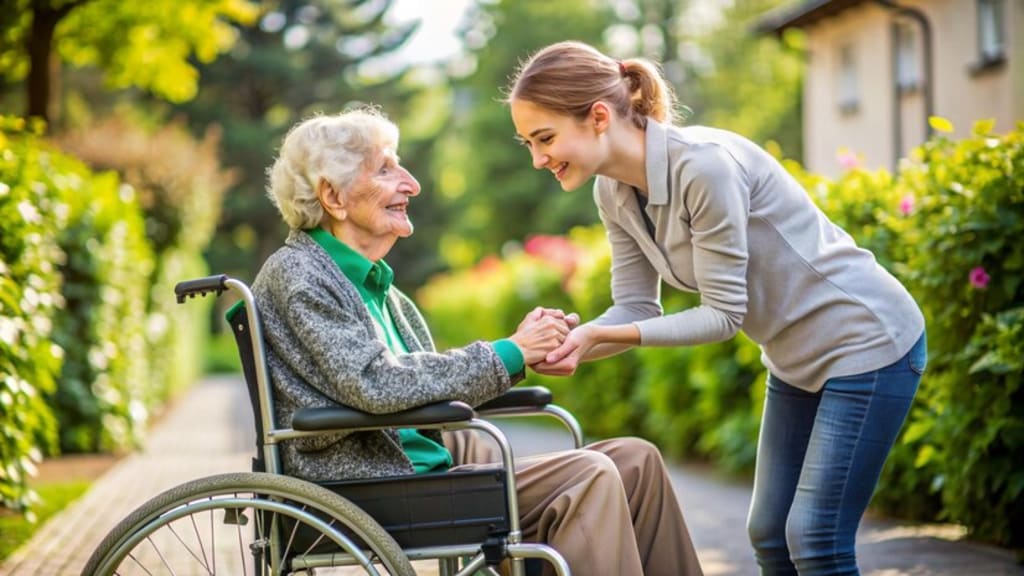
Assisted living facilities represent a very important link in the continuum of care for older adults who need some assistance with daily living activities but do not require the intensive medical care provided by nursing homes. The ambiance of assisted living combines independence and support together in a dignified environment. Thus, it is a place to stay comfortably during a lifetime.
Understanding the Purpose of Assisted Living Facilities
The core goal of a living facility is to provide a comprehensive lifestyle for seniors in the setting of the facility to maintain or encourage physical and mental well-being. An Assisted Living facility is designed to create an environment that enables its residents to maintain as much independence as possible, yet also have the level of assistance needed for daily activities such as bathing, dressing, medication management, and meal preparation.
Providing a Safe and Secure Environment
Safety is a big factor in any assisted living community. Assisted living offers a safe environment, with amenities like emergency call systems, handrails, and 24-hour staffing, for many older adults and their families. This amount of security allows members to be within reach of help if they need it at all times, consequently decreasing the risks associated with living alone significantly.
Assisted Living Promotes Independence and Autonomy
While safety and support are paramount, the assisted living model is equally concerned with preserving resident independence. Unlike nursing homes, which provide ongoing medical care, the assisted living model requires and enables residents to perform daily activities independently to the greatest extent possible. This maintains resident control and choices in daily routines and lifestyle that are critical for their well-being.
Social Engagement and Community Living
Living in an assisted living facility allows interaction with others and a sense of community-a positive reason many people choose to reside in one. When alone, many elderly become isolated and lonely, which negatively affects their mental and physical health. Assisted living centers offer a number of social activities, events, and dining experiences that provide residents with relationship-building opportunities, activity, and a sense of community.
Activities of Daily Living Assistance
Sometimes, as years pass by, everyday chores and routines become increasingly difficult to perform. These facilities are designed and fitted out accordingly in order to assist residents in everyday activities, such as bathing, grooming, dressing, and medication management, to name a few. There is specifically trained staff that will provide the needed care discreetly while preserving respect for the dignity of the resident.
Health and Wellness Programs
In any assisted living facility, health and wellness come first. Most of the facilities offer their residents access to fitness programs, wellness checks, and physical therapy services for the maintenance of their health and mobility. Continuing exercise, nutritionally balanced meals, and preventative care programs are the three areas that add to the health and wellness activities of this facility.
Personalized Care Plans
Every person in an assisted living has their needs and preferences and hence, their own needs can be regularly taken care of as most of the facilities design custom plans to suite all people. Care planning is designed based on an individual's current health status, personal choice, and degree of independence while taking full consideration of each resident regarding the appropriate care and services they may need.
Medical Services
While intensive medical care is not a service offered by the facilities, needed medical services can certainly be provided. Many have relationships with local healthcare providers by which residents could receive typical check-ups in health, physical therapy, and other medical needs either on-site or nearby. This assures that any chronic condition can be maintained with professional support, or that illnesses are recovered from professionally.
Nutrition and Dining Services
Nutrition is one of the significant concerns in a senior's life, and accordingly, the meal provided in the assisted living facilities is nutritional as well as balanced. The dining services would accommodate the needs and preferences of the resident dietary requirements and would provide special diets and services that help in meal planning. The meals would be served in shared dining spaces, which encourage interaction as well as cameraderie amongst the residents.
Transportation and Mobility Support
Many of the seniors continue to be active, going on excursions, shopping, and many other events outside of their living facility. Many of these facilities provide the transportation that drives them to their various appointments, errands, or even fun activities. Additionally, mobility support within the facility helps residents get around safely and comfortably.
Emotional and Psychological Support
For some seniors, the transition into an assisted living facility can be a bit difficult, and they may feel apprehensive or even that they will be losing some independence. To that end, many facilities offer counseling services and emotional support programs designed to ease the transition and adjustment of residents into their new living arrangements. Regular social activities, peer support groups, and one-on-one counseling can be helpful in maintaining emotional well-being.
Respite and Short-Term Stays
Assisted living facilities also expand the services provided to include services for respite care and short-term stays. This is quite important for seniors who are recovering from surgery or illness, or even those whose caregivers need some temporary relief. Respite care allows for all the benefits of assisted living on a short-term basis, giving seniors an opportunity to experience the environment and services first before making a long-term commitment.
End-of-Life Care and Support
Some assisted living facilities also provide end-of-life care, thus allowing residents to remain in an environment comfortable and familiar to them until the end. This care may often be provided in coordination with hospice services and focuses on comfort, dignity, and emotional needs both of the resident and their family.
Transition from Independent Living to Assisted Living
For many, entry into the assisted living facility is a significant transition from fully independent into some supportive environment. This process is progressive in nature-that is, the residents begin by having a little or no need for assistance and increase their dependence on services provided at the facility as their need changes. Assisted living fills in the care gap between independent living and more intensive care, thus becoming a flexible solution to meet each individual resident's needs.
The Right Assisted Facility: How to Choose
Deciding on an assisted living facility is always a huge decision. Among the most critical factors to consider when choosing a right assisted living facility are the levels of care available, the quality of staff, the services provided, and generally, the atmosphere of the place. A family should be allowed to visit several facilities, speak with the staff and residents, and review the credentials and reputation of a facility before making any decisions.
Conclusion
Assisted living centers indeed represent a valuable resource for older adults needing assistance with activities of daily living while remaining independent. Such settings offer a safe, supportive environment to stimulate social interaction, implemented in a manner that caters to individual needs and preferences. By providing an insight into the purpose and benefits of assisted living, families can take appropriate decisions that best serve the interest of their loved ones and contribute toward optimal health, well-being, and quality of life.
About the Creator
Jane Rockwell
Jane Rockwell is a seasoned professional in senior living care with over a decade of experience. She specializes in assisted living and memory care, dedicated to enhancing the quality of life for seniors.
Keep reading
More stories from Jane Rockwell and writers in Families and other communities.
How Frontotemporal Dementia Affects the Eyes and Vision
Frontotemporal dementia, or FTD, is one of the most common types of early-onset dementia that typically begins between the ages of 40 and 65. While best known for affecting behavior, personality, and language, frontotemporal dementia eyes and vision symptoms are increasingly being recognized as important indicators of the condition. The way FTD impacts visual processing makes it challenging not just for the diagnosed but for medical doctors and caregivers as well to identify tiny changes in perception.
By Jane Rockwell4 months ago in Families
Wise~Guys
— Look Behind what's in Front of You ~ Make Good Choices — Hey, So how you Doin'..! Made~Men — Mobster Movies romanticise a distinctive, elegant appearance, impeccable attire style, along with the 'Families' expressive lingo. Making their 'Bones' gave them Panache — with vintage fedoras, tailored pin-striped suits, mirror-polished wing-tip shoes adorned with tassels; with their 'Gun Moll' gorgeous dates on their arms.
By Jay Kantor19 days ago in Families




Comments
There are no comments for this story
Be the first to respond and start the conversation.