
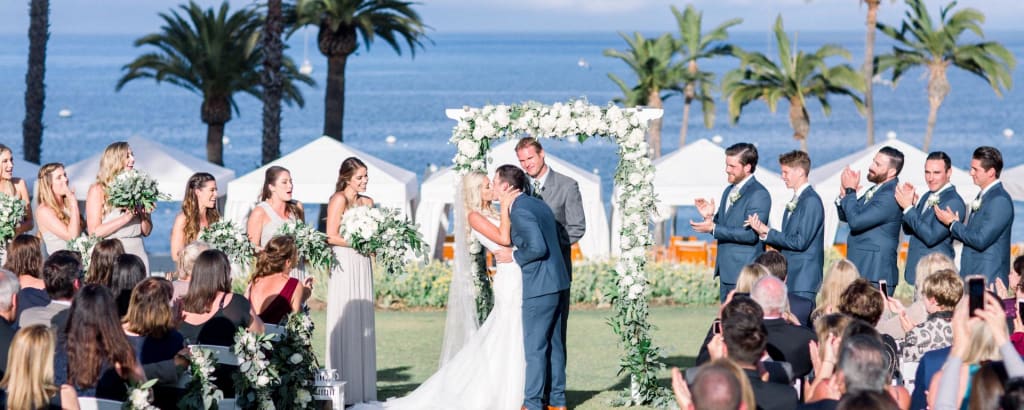
Weddings are one of the most cherished and celebrated events in human society. They mark the beginning of a new chapter in the lives of two individuals, bringing together families, friends, and communities to witness and celebrate the union of love. Weddings are not only a personal affair but also a reflection of cultural, religious, and social norms. In this essay, we will delve into the rich tapestry of weddings, examining their historical evolution, cultural significance, traditional rituals, and the influence of modern trends.
Historical Evolution of Weddings
The institution of marriage and weddings has evolved significantly throughout history. In ancient civilizations, marriages were often arranged for political, economic, or social reasons, with love being a secondary consideration. As societies progressed, the concept of romantic love gained prominence, leading to a shift in the purpose and nature of weddings. In Western cultures, the idea of marrying for love gained prominence during the Middle Ages and the Renaissance, shaping the modern perception of weddings as celebrations of love and commitment.
Cultural Significance of Weddings
Weddings hold immense cultural significance, serving as a bridge between tradition and modernity. Different cultures have unique customs and practices associated with weddings that reflect their values, beliefs, and societal norms. For example, Indian weddings are known for their elaborate rituals and vibrant celebrations that can span several days. In contrast, Japanese weddings often emphasize simplicity, with ceremonies rooted in Shinto traditions.
Weddings are not only about the couple but also about uniting families and communities. They provide an opportunity for people to come together, strengthen bonds, and share in the joy of a new beginning. Additionally, weddings often involve the exchange of gifts and dowries, which have cultural and symbolic importance in various societies.
Traditional Wedding Rituals
Weddings are replete with rituals that vary across cultures. These rituals often have deep symbolic meanings and are designed to bless the couple with happiness, prosperity, and fertility. The exchange of vows and rings is a common feature in many weddings, symbolizing the commitment and eternal love between the partners.
In Christian weddings, the exchange of vows takes center stage, with couples promising to love and cherish each other in sickness and in health. On the other hand, Hindu weddings involve the "Saptapadi," where the couple takes seven steps around a sacred fire, each step representing a vow for a happy and prosperous life together.
Modern Trends in Weddings
While traditional customs remain integral to weddings, modern trends have brought about significant changes in how weddings are planned and executed. Couples today have more agency in designing their weddings, allowing for personalization and creativity. Destination weddings have gained popularity, with couples opting to tie the knot in exotic locations that hold personal significance.
Technology has also revolutionized weddings. Live streaming allows distant relatives and friends to virtually attend the ceremony, transcending geographical boundaries. Social media platforms enable couples to share their wedding journey with a global audience, from engagement announcements to honeymoon snapshots.
Challenges and Controversies
Despite the joyous nature of weddings, they can also be sources of challenges and controversies. Wedding costs can escalate quickly, leading to financial strain for families and couples. The pressure to conform to societal expectations and create a picture-perfect event can contribute to stress and anxiety.
Furthermore, weddings can raise ethical and cultural dilemmas. Interfaith and intercultural weddings, while celebrating diversity, can also present challenges in reconciling differing traditions and practices. Additionally, conversations around gender roles and LGBTQ+ rights have prompted discussions about inclusivity and representation within wedding ceremonies.
Conclusion
Weddings hold a special place in human culture, embodying the essence of love, commitment, and togetherness. As society continues to evolve, weddings evolve with it, reflecting changing norms, values, and aspirations. Whether steeped in tradition or embracing modernity, weddings remain a celebration of human connection, uniting individuals and communities in the shared experience of love and hope for the future.
About the Creator
Keep reading
More stories from AMSH FASHIONS and writers in Families and other communities.
The Power of Mindfulness Meditation
In the hustle and bustle of modern life, finding inner peace and well-being has become a sought-after aspiration. The constant demands of work, relationships, and the digital world can leave us feeling overwhelmed and disconnected from ourselves. However, amidst this chaos, there exists a path—a journey to inner peace and well-being through self-discovery, mindfulness, and intentional living.
By AMSH FASHIONS2 years ago in Motivation
Guiding Families Toward Emotional Strength with Professor Carlton Jama Adams
Parenting in the modern era can feel overwhelming. Families are raising children amid constant digital engagement, heightened academic pressure, and growing conversations around emotional health and identity. These influences shape daily life and often leave parents questioning whether they are doing enough or doing it right. In the midst of this uncertainty, the family centered perspective shared by Professor Carlton Jama Adams offers clarity. His approach emphasizes emotional awareness, steady structure, and respectful guidance as the foundation for raising confident and resilient children.
By Carlton Adamsa day ago in Families
Dead and Wearing Green
She was wearing that green dress when I first saw her, five years ago to the day. Flowing meadow fabric draped over long legs, thick auburn hair flowing down her back. That smile. Of course, she is still beautiful now. But now she is no longer alive.
By Karen Cave7 days ago in Fiction



Comments
There are no comments for this story
Be the first to respond and start the conversation.