
Vitamin C: The Essential Pillar of Health and Beauty
Discover how this versatile nutrient transforms your health, skin, and overall well-being.

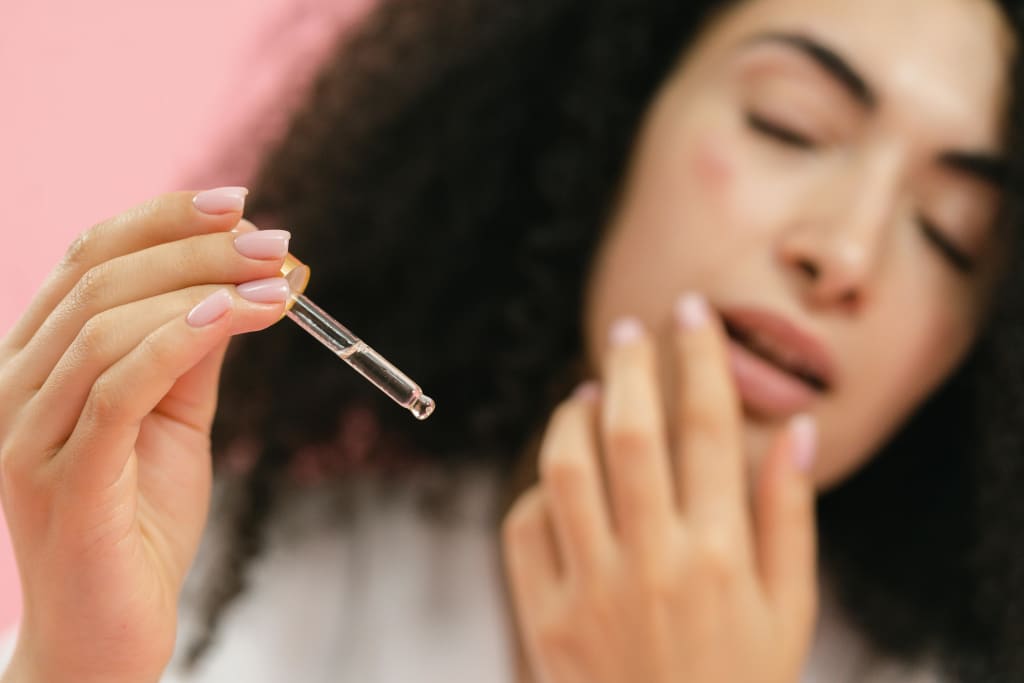
Introduction
Vitamin C, or ascorbic acid, is far more than a simple cold remedy. This essential nutrient, which the human body cannot produce on its own, plays a critical role in cellular protection, collagen synthesis, and immune support. Historically used to combat scurvy, it is now a cornerstone of modern health and beauty routines. In this article, we explore its scientifically proven benefits, optimal sources, and practical tips to integrate it into your daily life.
Scientifically Proven Benefits of Vitamin C:
1. Powerful Antioxidant: Shield Against Oxidative Stress
Vitamin C neutralizes free radicals—unstable molecules linked to premature aging and chronic diseases (e.g., diabetes, cancer).
Example: A study in The American Journal of Clinical Nutrition found that a daily 500 mg dose boosts blood antioxidant levels by 30%.
Tip: Pair it with vitamin E-rich foods (nuts, avocados) for a synergistic effect.
2. Blood Pressure Regulation
It relaxes blood vessels, reducing systolic blood pressure by an average of 3.8 mmHg.
Note: Not a replacement for hypertension medication.
3. Heart Health Protection
Consuming 700 mg/day lowers heart disease risk by 25%.
Tip: Prioritize dietary sources (bell peppers, citrus fruits) over supplements for this benefit.
4. Gout Prevention
A 30-day supplementation reduces blood uric acid levels by 0.3 mg/dL.
5. Iron Absorption Boost
100 mg of vitamin C increases non-heme iron absorption (from plant sources like lentils) by 67%—ideal for vegetarians!
6. Immune System Support
Stimulates white blood cell production and strengthens skin’s barrier against pathogens.
Example: A University of Helsinki study shows it shortens cold duration by 8% in adults.
7. Cognitive Health
Low blood levels of vitamin C are linked to a higher risk of dementia.
Tip: Kiwis and strawberries are excellent sources for brain health.
8. Skin Rejuvenation
Reduces wrinkles: Boosts collagen production, improving skin elasticity.
Brightens complexion: Fades dark spots and hyperpigmentation.
Sun protection: Enhances sunscreen efficacy against UV damage.
Vitamin C Sources: Food vs. Supplements:
1. Foods Rich in Vitamin C
Vitamin C is abundant in many fruits and vegetables. Here are the top dietary sources and their approximate vitamin C content per serving:
Raw yellow bell pepper: 183 mg per 100 grams (1 small pepper).
Kiwi: 64 mg per medium-sized fruit.
Orange: 53 mg per medium fruit.
Cooked broccoli: 65 mg per 100 grams (about 1 cup).
Strawberries: 89 mg per 150 grams (roughly 1 cup).
Cooking Tip: To retain maximum vitamin C, steam vegetables instead of boiling them. Steaming preserves up to 90% of the nutrient, while boiling can reduce it by 25–50%.
2. Dietary Supplements
For those struggling to meet daily needs through diet alone, supplements are a convenient option:
Forms Available:Tablets/Capsules: Standard options like Nature’s Bounty Vitamin C (500–1,000 mg per serving).Gummies: Tasty alternatives like Nordic Naturals Vitamin C Gummies (250 mg per gummy).Powders: Versatile for mixing into drinks (e.g., NOW Foods Vitamin C Powder).Liposomal Vitamin C: Enhanced absorption formulas like LivOn Labs Lypo-Spheric.
Dosage Guidelines:Adults: 75–90 mg/day (RDA).Upper Limit: 2,000 mg/day to avoid side effects like diarrhea.
Recommendations:Choose buffered forms (e.g., calcium ascorbate or Ester-C) if you have a sensitive stomach.Pair supplements with meals to improve absorption and reduce stomach irritation.
Vitamin C in Skincare: A Practical Guide:
1. Choosing the Right Product
Stable formulas: Look for L-ascorbic acid (10–20%) combined with vitamin E and ferulic acid (SkinCeuticals C E Ferulic).
Packaging: Opaque, airtight bottles to prevent oxidation.
2. Optimal Skincare Routine
Cleanse: Use a gentle cleanser.
Serum: Apply 2–3 drops to dry skin.
Moisturizer: Wait 5 minutes before layering.
SPF: Mandatory in the morning for UV protection.
Avoid: Combining with retinol at night (use vitamin C in the morning).
3. Visible Results
4 weeks: Brighter complexion.
12 weeks: Reduced wrinkles and pigmentation.
Myths vs. Facts About Vitamin C:
Myth 1: "Vitamin C Prevents Colds"
Fact: While vitamin C can reduce the severity and duration of colds by 8–14% in adults, it does not prevent them entirely. Regular supplementation may slightly shorten recovery time but won’t stop you from getting sick.
Myth 2: "Supplements Protect Against Cancer"
Fact: No conclusive evidence links vitamin C supplements to cancer prevention. However, diets rich in vitamin C (from fruits and vegetables) are associated with a lower risk of certain cancers due to their antioxidant and anti-inflammatory properties.
Myth 3: "More Vitamin C = Better Health"
Fact: Excess vitamin C (over 2,000 mg/day) is excreted in urine and can cause side effects like diarrhea, nausea, or stomach cramps. Stick to recommended doses unless advised otherwise by a healthcare provider.
Myth 4: "All Vitamin C Supplements Are the Same"
Fact: Supplements vary in quality and absorption. For example, liposomal or buffered vitamin C (e.g., Ester-C) is gentler on the stomach and better absorbed than standard ascorbic acid tablets.
Myth 5: "Topical Vitamin C Doesn’t Work"
Fact: When formulated correctly (stable, pH-balanced), vitamin C serums do improve skin texture, reduce hyperpigmentation, and boost collagen. Look for products with L-ascorbic acid and airtight packaging.
Myth 6: "Vitamin C Replaces Sunscreen"
Fact: Vitamin C enhances sunscreen’s UV protection but cannot replace it. Always pair vitamin C serums with broad-spectrum SPF 30+ for optimal skin defense.
Myth 7: "Natural Sources Are Always Better Than Supplements"
Fact: While whole foods provide additional nutrients (like fiber and bioflavonoids), supplements are useful for people with dietary restrictions, malabsorption issues, or higher needs (e.g., smokers).
Conclusion
Vitamin C is a non-negotiable ally for robust health and radiant skin. Whether sourced from a strawberry smoothie, a high-end anti-aging serum, or a bioavailable supplement, its potential is limitless. For best results, combine dietary sources, stable topical products, and professional advice.
About the Creator
Healthy25withRania
Passionate doctor&health advocate Sharing expert-backed tips on health, wellness, and fitness to help you live your best life. Let’s make healthy living simple, sustainable, and enjoyable! Follow for science-based insights&practical advice.
Keep reading
More stories from Healthy25withRania and writers in Families and other communities.
The Hidden Reasons Why You’re Always Tired — How To Fix It?
Introduction Feeling tired all the time? You’re not alone. Fatigue is a common complaint, and while occasional tiredness is normal, persistent exhaustion can be a sign of underlying issues. Many factors contribute to low energy levels, including poor sleep habits, nutritional deficiencies, stress, and even certain medical conditions. The good news is that once you identify the root cause, you can take steps to boost your energy and feel revitalized.
By Healthy25withRania11 months ago in Education
Wise~Guys
— Look Behind what's in Front of You ~ Make Good Choices — Hey, So how you Doin'..! Made~Men — Mobster Movies romanticise a distinctive, elegant appearance, impeccable attire style, along with the 'Families' expressive lingo. Making their 'Bones' gave them Panache — with vintage fedoras, tailored pin-striped suits, mirror-polished wing-tip shoes adorned with tassels; with their 'Gun Moll' gorgeous dates on their arms.
By Jay Kantor18 days ago in Families
What If I Am the Victim
There is a moment many of us reach after deep self-reflection. You ask yourself hard questions. You examine your behavior. You wonder if you are the problem. And after all that honesty, another thought quietly appears. What if I am actually the victim
By Eunice Kamauabout 3 hours ago in Families
Center Stage with Paul Stewart
*** I'm keen to republish the interviews I did for my series with Vocal creators. It's been a few years and I thought it might be nice to revisit these wonderful conversations. I'll be releasing them one at a time for a few weeks/months.
By Heather Hubler4 days ago in Interview




Comments
There are no comments for this story
Be the first to respond and start the conversation.