
Understanding the Unique Behaviour of an infant
Exploring Early Infant Psychology, Reflexes, and Emotional Bonds in Newborn Development

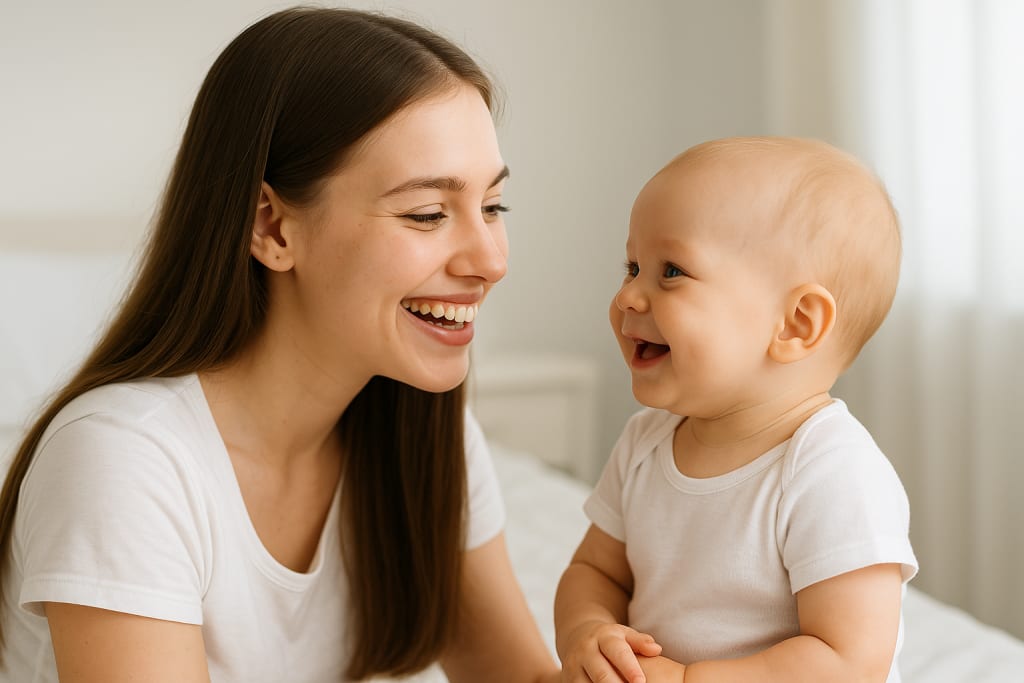
Welcoming a newborn child into the world is a deeply transformative experience for parents and families. From the very first cry to the initial eye contact, each moment is a powerful reminder of the miracle of life. But beyond the tenderness and excitement lies an intricate pattern of behaviors that define the newborn stage. Understanding the behavior of a newborn child is crucial for caregivers and medical professionals, as it lays the foundation for early development, emotional bonding, and psychological health.
The First Days: Newborn Behaviour Begins with Basic Reflexes
Newborn behavior is primarily reflex-driven during the first few weeks of life. These involuntary actions, hardwired in the infant's nervous system, are critical for survival. Rooting, sucking, and grasping are among the most common reflexes observed. When a baby’s cheek is stroked, they turn their head toward the stimulus in search of food—a behavior known as the rooting reflex. Similarly, the sucking reflex allows them to feed efficiently, even without conscious effort. These behaviors not only ensure nourishment but also begin to build early neural connections.
The grasping reflex is another notable example where a baby instinctively wraps their fingers around an object placed in their palm. These reflexes often astonish new parents, serving as visible signs of early physical and cognitive development. Although these actions are involuntary at first, they gradually pave the way for intentional movements.
Crying as Communication: The Newborn’s First Language
Crying is the primary mode of communication for newborns. While it can initially be overwhelming for parents, understanding the types of cries and their meanings can dramatically improve the caregiving experience. Hunger, discomfort, fatigue, and the need for closeness are the most common reasons for crying.
Each baby has a unique cry pattern, but general differences can be detected with experience. A high-pitched, repetitive cry might signal discomfort, whereas a low, continuous wail might indicate fatigue. By responding to these cues, caregivers establish trust and security, reinforcing emotional bonds and promoting healthy development. Research indicates that promptly attending to a newborn's cries enhances emotional intelligence and reduces stress hormones.
Sleep Patterns and Wake Cycles: Unpredictable but Essential
Newborns sleep for approximately 16 to 18 hours a day, but this sleep is usually fragmented into short bursts. Unlike adults, babies don’t follow a circadian rhythm at birth. Their sleep patterns are guided by feeding needs and natural body rhythms that develop over time. Understanding these irregular cycles helps parents set realistic expectations and create supportive environments.
During the rapid eye movement (REM) stage of sleep, which is more frequent in newborns, the brain is highly active. This stage is believed to support early neural development, memory consolidation, and emotional regulation. Observing a baby's twitching, smiling, or moving during sleep is often a sign of this active brain state.
Feeding Behavior: More Than Just Nutrition
Feeding time is not only essential for physical nourishment but also for emotional bonding and behavioral regulation. Whether breastfed or bottle-fed, newborns find comfort in the act of feeding. It creates an intimate connection between caregiver and infant, reinforcing feelings of safety and love.
Interestingly, feeding behavior in newborns can also indicate health and development. A strong suck, regular feeding intervals, and steady weight gain are positive signs. Conversely, feeding difficulties may signal underlying issues that require medical attention. Parents are encouraged to keep track of feeding behavior, including frequency, duration, and signs of satisfaction.
Social Responsiveness: Recognizing Faces and Voices
Although their vision is still developing, newborns can recognize familiar faces, especially that of their primary caregiver. Studies show that babies as young as a few days old prefer looking at human faces over other objects. This preference is driven by an innate desire to connect and interact with caregivers, forming the roots of early social behavior.
Likewise, newborns respond strongly to voices, especially those they heard in the womb. A mother’s voice, for instance, can calm a crying baby more effectively than any other sound. These interactions shape early communication skills and help babies begin to understand emotional tone and vocal rhythm.
Startle Reflex and Sudden Movements: Natural Reactions to the Environment
The Moro reflex, often referred to as the startle reflex, is a natural reaction to sudden movements or loud noises. When startled, a newborn may fling their arms out, cry, and then bring their arms back in. This behavior may seem alarming, but it is a normal part of neurological development.
These movements are signs that the baby’s nervous system is functioning properly. However, if the reflex persists beyond the normal age range or appears absent, it could be an indicator of developmental concerns. Monitoring these reflexes helps pediatricians assess the baby’s growth and neurological health.
Emotional Expressions: The Foundation of Personality
While newborns are not capable of complex emotions like guilt or pride, they do express basic feelings such as comfort, discomfort, pleasure, and distress. Smiling, frowning, and cooing are all behaviors that begin to appear within the first few weeks. These expressions are essential in establishing communication and building emotional connections.
As caregivers respond to a baby’s emotional cues, they are helping the child regulate emotions and feel secure. This emotional responsiveness is crucial for mental health and social competence later in life. A newborn who consistently receives nurturing attention tends to develop stronger emotional resilience.
Touch and Sensory Responses: Building Connection Through Skin-to-Skin Contact
Touch is a powerful tool in newborn development. Skin-to-skin contact, often practiced immediately after birth, stabilizes the baby’s heart rate, improves breathing, and enhances emotional bonding. Gentle stroking, cuddling, and holding are deeply comforting for babies and promote behavioral calmness.
Sensory experiences such as soft music, warm baths, or gentle rocking can positively influence a newborn’s behavior. These activities stimulate the baby’s sensory pathways, preparing them for more complex interactions with the world. Understanding sensory responses allows caregivers to better manage fussy behavior and create a soothing environment.
The Role of Parental Behavior in Shaping Infant Responses
A newborn’s behavior is not just instinctive; it is also shaped by their surroundings and the people who care for them. Consistent routines, gentle voices, and responsive caregiving significantly influence a baby’s mood and behavior. Parents who are emotionally available and observant often find that their babies are calmer and more adaptable.
The early weeks of life set the tone for future behavioral patterns. Secure attachment formed during this period lays the groundwork for trust, self-confidence, and cognitive development. Emotional attunement—responding appropriately to a baby’s needs—helps foster a positive behavioral trajectory.
Cultural Influences and Environmental Factors on Newborn Behaviour
Cultural norms and environmental conditions can affect how newborn behavior is expressed and interpreted. In some cultures, babies are held almost constantly, while in others, they are encouraged to sleep independently. These practices influence how babies form attachments and express their needs.
Environmental factors like noise levels, lighting, and household routines also impact newborn behavior. A calm, structured environment can enhance sleep and feeding behaviors, whereas overstimulation might lead to fussiness or irregular sleep. Parents should consider their home environment when managing their baby’s behavioral rhythms.
Recognizing Abnormal Behavior: When to Seek Help
While most newborn behaviors fall within a wide range of normal, certain signs may warrant medical attention. These include persistent irritability, feeding refusal, excessive sleepiness, or lack of eye contact. It’s essential for caregivers to trust their instincts and consult pediatric professionals when in doubt.
Early detection of behavioral abnormalities can lead to timely interventions, improving outcomes for the child. Developmental screenings during routine check-ups are effective tools for identifying concerns. Proactive parenting, guided by knowledge and observation, is the best approach to supporting a newborn’s behavioral health.
Technology and Apps: Monitoring Newborn Behaviour in the Digital Age
In today’s digital era, many parents use baby-monitoring apps and devices to track sleep, feeding, and developmental milestones. While these tools can offer helpful insights, they should not replace human intuition and bonding. Technology should serve as a supplement, not a substitute, for genuine interaction.
Parents are encouraged to use these tools mindfully, ensuring that technology enhances rather than hinders emotional connection. Observing behavior with both digital tools and direct attention creates a balanced approach to understanding and nurturing a newborn.
Note:
This article was created with the assistance of AI (ChatGPT), then manually edited for originality, accuracy, and alignment with Vocal Media’s guidelines.
About the Creator
Lana Rosee
🎤 Passionate storyteller & voice of raw emotion. From thoughts to tales, I bring words to life. 💫
Love my content? Hit Subscribe & support the journey! ❤️✨
Keep reading
More stories from Lana Rosee and writers in Families and other communities.
Conversation with Nana
A conversation with Nana—my maternal grandfather—is never just a casual chat. It is a journey back in time, a lesson in values, and a moment of warmth wrapped in quiet wisdom. In today's fast-paced, digitally driven world, these conversations feel like a rare treasure, a living archive of experiences that can guide, inspire, and ground us. Nana is more than just a family elder—he’s a storyteller, a life coach, and a walking history book. Through this article, I invite you into the beautiful world of one-on-one conversations with my Nana and the powerful impact they’ve had on my life.
By Lana Rosee8 months ago in Families




Comments
There are no comments for this story
Be the first to respond and start the conversation.