
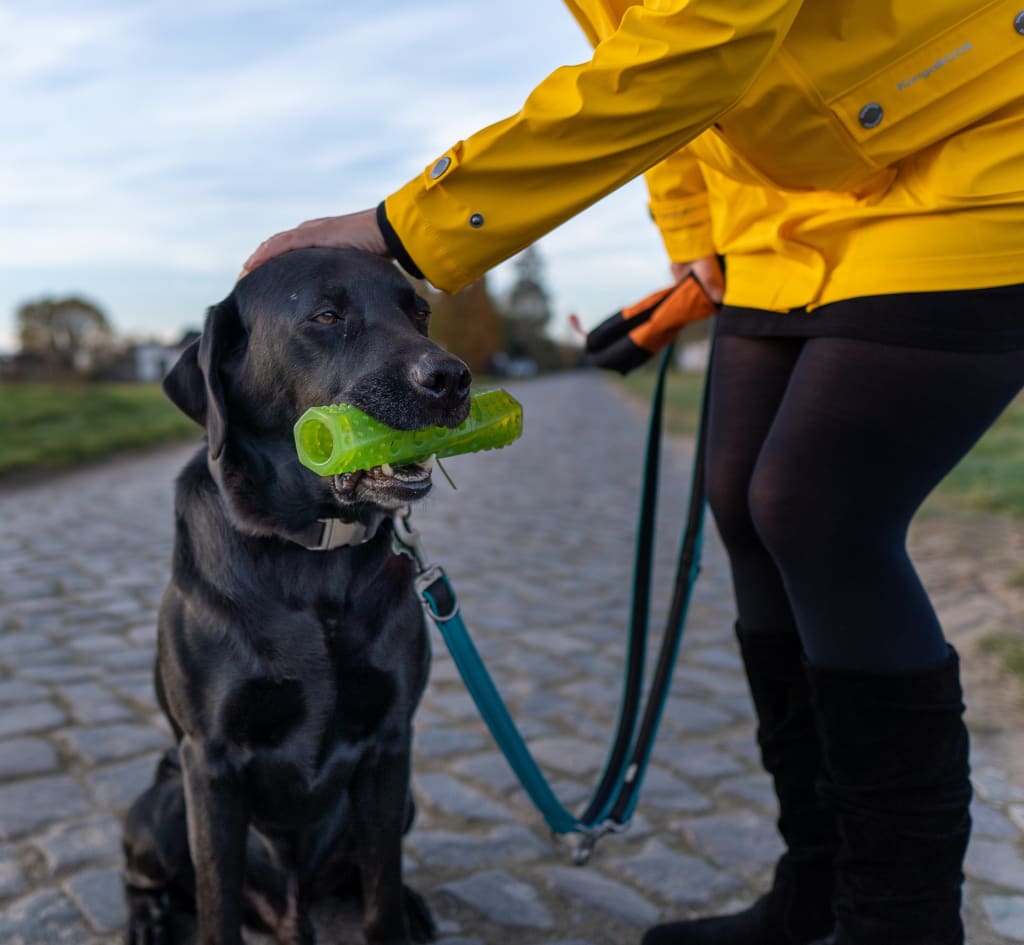
Training a puppy can be a blast!
It's a great opportunity to bond with your furry friend and turn them into a well-behaved, obedient companion for years to come. Here are five steps to make the training process fun, easy, and effective.
Step 1: Potty Training
Potty training is the first and most important step in training your puppy. It may take a few weeks to a few months, but with patience and persistence, you'll have a fully potty-trained pup in no time! Here are a few tips to get you started:
Set a schedule: Establish a routine for taking your puppy outside to go potty. Take them out first thing in the morning, after meals, and before bedtime.
Pick a potty spot: Choose a designated area for your puppy to do their business. Stick to the same spot every time and use the same command, such as "go potty."
Reward, reward, reward: Every time your puppy successfully goes potty in the designated spot, give them lots of praise and a treat. This will reinforce the positive behavior and help them understand what's expected of them.
Step 2: Socialization
Socializing your puppy is crucial for their development and well-being. It helps them to become confident and well-adjusted dogs. Here are a few tips for socializing your puppy:
Introduce them to new people and animals: Take your puppy to the park, on walks, and to meet friends and family. The more they interact with different people and animals, the more comfortable they'll become.
Make it fun: Socialization should be a fun and positive experience for your puppy. Reward them with treats and praise when they display good behavior, and keep each session short and sweet.
Step 3: Basic Commands
Teaching your puppy basic commands like "sit," "stay," "leave it," and "down" will help them to understand what you expect of them and build their obedience. Here's how to get started:
"Sit": Teach your puppy to "sit" by holding a treat above their head and saying "sit." When they sit, give them the treat and lots of praise. Repeat this several times a day until your puppy can "sit" on command.
"Stay": Teach your puppy to "stay" by saying "stay" and gradually increasing the amount of time that you ask them to stay. Reward them with treats and praise when they successfully stay, and gradually increase the distance between you and your puppy.
"Leave it": "Leave it" is a great command for preventing your puppy from chewing on inappropriate objects or eating dangerous items. Hold a treat in one hand, place your other hand over it, and say "leave it." When your puppy stops trying to get the treat, reward them with a treat from your other hand and lots of praise.
"Down": "Down" is easy to teach with a gentle push on your puppy's chest while saying "down." When they lie down, give them a treat and lots of praise. Repeat this process several times a day until your puppy can "down" on command.
Step 4: Leash Training
Leash training is essential for keeping your puppy safe and well-behaved on walks. Here are a few tips to make the process fun and effective:
Start indoors: Begin leash training your puppy inside where there are fewer distractions. Gradually increase the level of difficulty by taking your puppy outside for short walks.
Use the right gear: Make sure your puppy's collar fits properly and that the leash is the right
length. A retractable leash can be helpful, but be sure to only allow your puppy enough slack to explore, not wander too far away from you.
Keep it positive: Use treats, praise, and positive reinforcement to encourage your puppy to walk on a leash. If they pull or become distracted, stop and redirect their attention with a treat or toy.
Gradual increase: Gradually increase the distance and duration of your walks. Remember to be patient and keep each walk short and fun.
Step 5: Advanced Commands and Trick Training
Once your puppy has mastered the basic commands, you can start teaching them more advanced commands and tricks. Here are a few ideas to get you started:
"Come": Teach your puppy to come when called by using treats, praise, and positive reinforcement. Start with short distances and gradually increase the difficulty.
"Heel": Teach your puppy to walk by your side on a leash with the "heel" command. This will help you to maintain control and keep your puppy safe during walks.
Tricks: Teaching your puppy tricks is a fun way to bond with them and show off their skills. Some popular tricks include "roll over," "play dead," and "shake."
In conclusion, training your puppy can be a fun and rewarding experience for both you and your furry friend. Remember to be patient, consistent, and positive, and to keep each training session short and fun. With time and effort, your puppy will grow into a well-behaved and obedient companion. Happy training!
For more information about training your pup, check out this amazing how to book: https://www.digistore24.com/redir/465348/JayMack/
About the Creator
Keep reading
More stories from writers in Families and other communities.
Wise~Guys
— Look Behind what's in Front of You ~ Make Good Choices — Hey, So how you Doin'..! Made~Men — Mobster Movies romanticise a distinctive, elegant appearance, impeccable attire style, along with the 'Families' expressive lingo. Making their 'Bones' gave them Panache — with vintage fedoras, tailored pin-striped suits, mirror-polished wing-tip shoes adorned with tassels; with their 'Gun Moll' gorgeous dates on their arms.
By Jay Kantor25 days ago in Families



Comments
There are no comments for this story
Be the first to respond and start the conversation.