
The Unseen Hero: My Father's Silent Struggles
He never wore a cape, never asked for praise—but his quiet sacrifices shaped everything I am today.

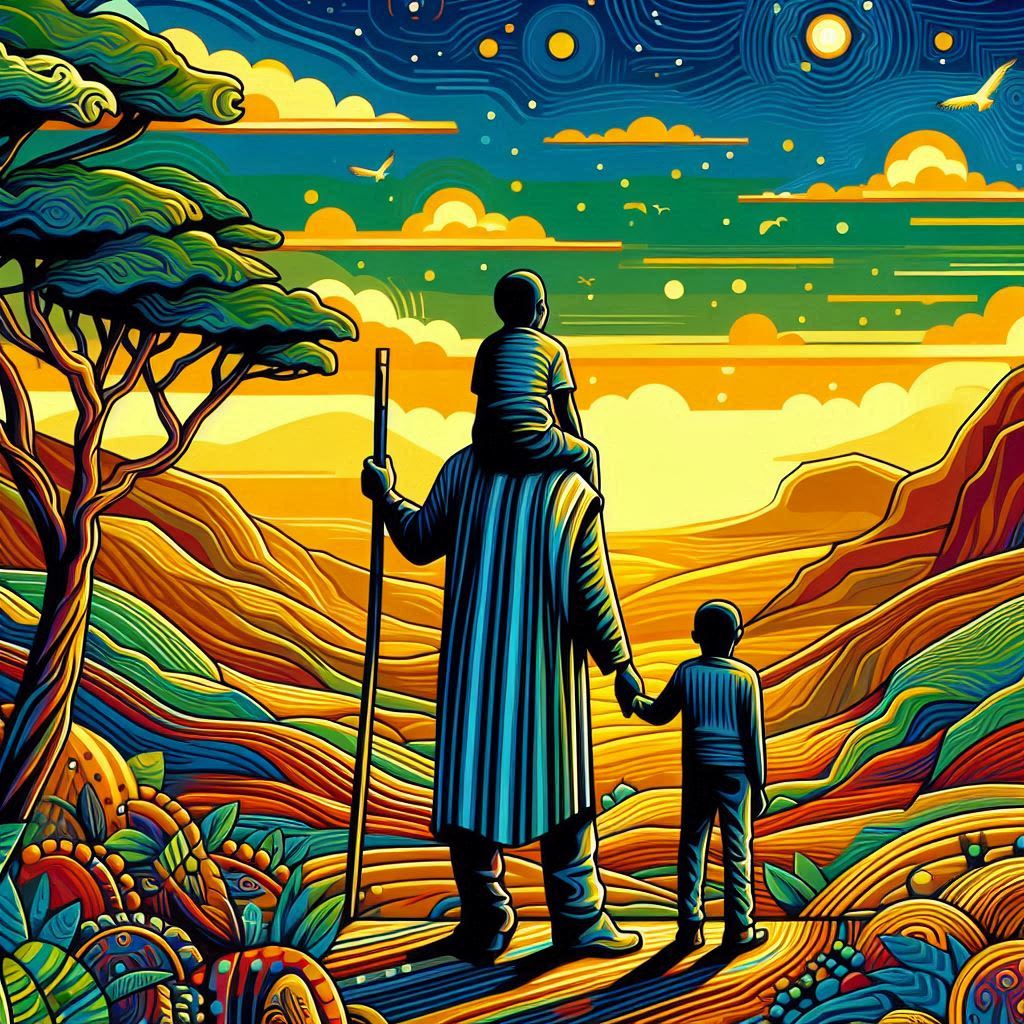
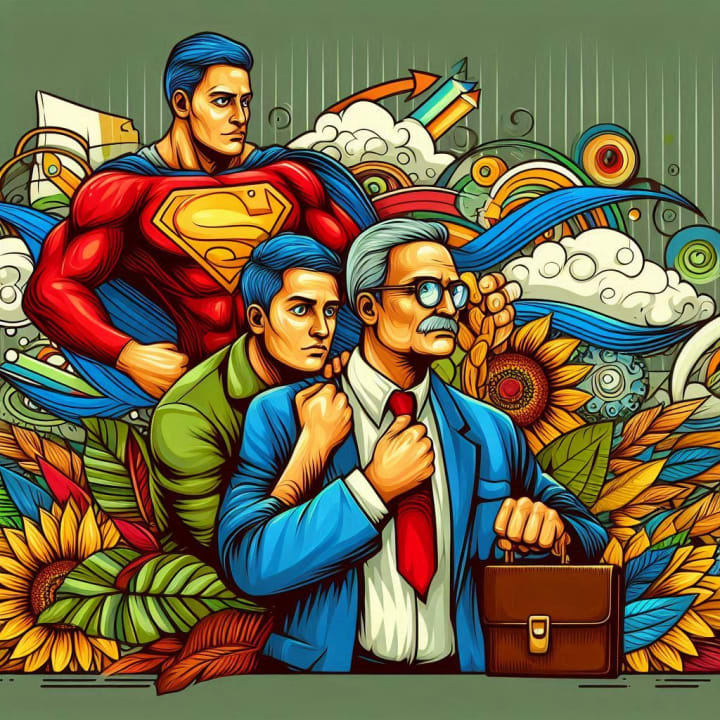
My earliest memories of my father are quiet ones. Not loud laughs or booming lectures, but moments stitched together by silence, sweat, and soft gestures. He wasn’t the type to teach life lessons with words. He taught them with action—the kind of action that often went unnoticed by everyone except the people who needed it most.
He was a truck driver. Long-haul. Gone for days, sometimes weeks, delivering goods to cities I’d only ever seen on a map. He wore the same faded baseball cap every day, smelled of diesel and aftershave, and drank his coffee scalding hot with two sugars—never stirred. “Let it find its own way,” he’d say, watching the sugar dissolve slowly. I never understood that until much later.
When I was seven, I told him I wanted to be a superhero. I expected him to laugh or tell me to pick something realistic. Instead, he knelt down, placed his calloused hands on my shoulders, and said, “Then you better learn how to help people when no one’s watching.”
At the time, it didn’t feel profound. But now, two decades later, I realize that sentence held the blueprint of his life.
Dad worked hard—harder than anyone I knew. He came home with tired eyes and stiff joints but never let the exhaustion seep into our moments. He’d play checkers with me on the floor even if his knees hurt, or fix my bike chain after midnight because I’d forgotten to tell him it broke.
He rarely raised his voice, never missed a birthday, and never once let us see the cracks. But I found them anyway—late-night conversations between him and Mom, whispered over the clinking of dishes. Bills. Repairs. The cost of braces I needed. The overtime he volunteered for. The extra shifts he picked up during holidays.
One Christmas, when I was ten, we couldn’t afford much. I remember sulking because my friends were getting new bikes and video games. That morning, Dad gave me a wooden toolbox he’d made by hand. Inside was a set of used tools, cleaned until they shone. I didn’t understand it then. I do now. That gift was his way of saying: “Build something. Fix things. Use your hands, your heart.”
Years later, that toolbox would sit on my dorm room shelf like a trophy. A symbol of everything he gave me when he had almost nothing.
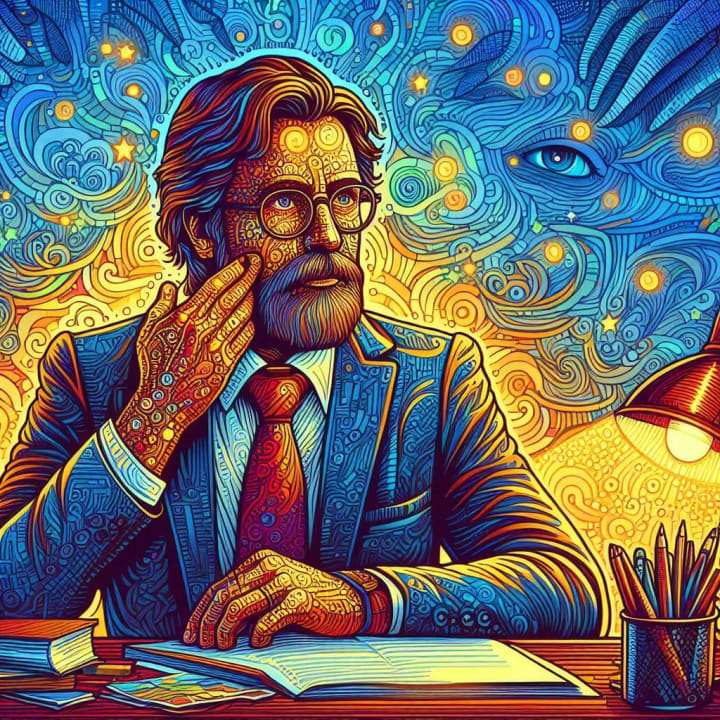
The biggest turning point came when I was sixteen.
I had gotten into trouble at school—stupid, impulsive, teenage stuff. A prank that went too far. The principal called my parents. I expected Dad to explode, to yell, maybe even ground me for life. But he didn’t.
He came home early that day. Sat at the kitchen table, took off his cap, and just looked at me. The silence stretched. Then, he spoke.
“I worked twenty-nine hours straight this week,” he said. “You know why?”
I shook my head, heart thudding.
“So you don’t have to.”
That’s all. No lecture. Just truth. And it hit harder than any punishment ever could.
That was the first time I saw the weight he carried—not just as a provider, but as a father, a protector, a man trying to build a life better than the one he had.
When I left for college, he didn’t say much. Just helped load the car, handed me a roll of bills, and said, “Call your mom.” But as I pulled away, I caught him in the rearview mirror. He was standing in the driveway, alone, one hand lifted in a quiet wave. I cried for the first two hours of that drive.
College was hard. Money was tight. There were days I thought about quitting. But every time I reached for my phone, I remembered his tired eyes, his aching hands, and that toolbox. I stayed. I worked. I made him proud.
When I graduated, he didn’t cry. Just clapped my back and whispered, “Told you you could.”
My father passed away three years ago. Heart failure. Sudden. He died before I could tell him everything. Before I could say thank you the way I should have.
We buried him in that same faded cap.
In his will, there wasn’t much. Just the house, some savings, and a letter. It was handwritten, full of crossed-out lines and imperfect grammar. But it’s the most valuable thing I own.
Part of it read:
“I didn’t always know what to say. But I tried to show you how to be a good man. That’s all I ever wanted. I hope I did okay.”
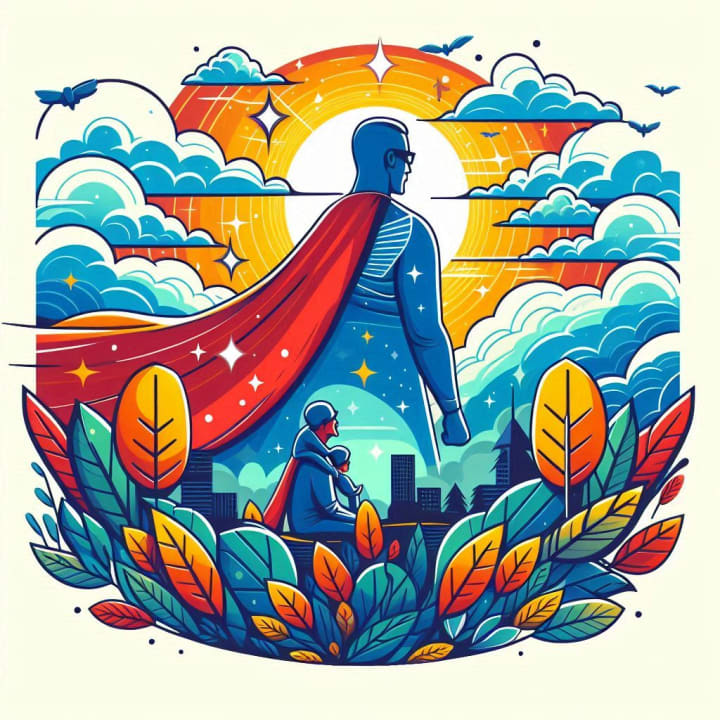
You did more than okay, Dad. You were a hero—the kind who doesn’t wear a cape or stand in a spotlight. The kind who sacrifices quietly, who loves fiercely without saying the words, and who teaches by example, not instruction.
And here’s what I’ve learned—the lesson your silence taught me:
Real heroes don’t need recognition. They don’t wait for applause. They just show up, every single day, and do what’s right—even when no one is watching.
So now, I wake up early. I drink my coffee with two sugars, never stirred. I kiss my son on the forehead before I leave for work and check his bike chain even when he forgets to ask. I use the same toolbox you gave me, and I teach him to use his hands—not just to build, but to care.
Because the greatest legacy a father can leave isn’t wealth or fame. It’s love, shaped into moments so subtle, they feel like air—until one day, you realize they’re what’s kept you breathing.
Thank you for reading...
Regards: Fazal Hadi
About the Creator
Fazal Hadi
Hello, I’m Fazal Hadi, a motivational storyteller who writes honest, human stories that inspire growth, hope, and inner strength.
Keep reading
More stories from Fazal Hadi and writers in Families and other communities.
The Man Who Taught Me Courage
I was eight the first time I saw my father cry. It was a quiet Sunday afternoon in late spring. The kind where the sun soaked the front porch in golden light, and all you could hear was the occasional bark of a dog or the hum of a neighbor's lawn mower. My dad sat on the wooden steps, shoulders slumped, hands clasped between his knees. I stood by the screen door, peeking out through the mesh.
By Fazal Hadi7 months ago in Families
Wise~Guys
— Look Behind what's in Front of You ~ Make Good Choices — Hey, So how you Doin'..! Made~Men — Mobster Movies romanticise a distinctive, elegant appearance, impeccable attire style, along with the 'Families' expressive lingo. Making their 'Bones' gave them Panache — with vintage fedoras, tailored pin-striped suits, mirror-polished wing-tip shoes adorned with tassels; with their 'Gun Moll' gorgeous dates on their arms.
By Jay Kantor16 days ago in Families
The quiet sound of families breaking
There is a kind of silence that is louder than any noise. It is the silence of a child waking in the night and realizing their parent is gone. It is the silence of a kitchen table with one chair suddenly empty. It is the silence of a home that still looks the same, but no longer feels the same. Across the United States, thousands of families live inside that silence. Not because of war. Not because of disaster. Not because of death. But because of policy.
By Kaylee Souther5 days ago in Families




Comments
There are no comments for this story
Be the first to respond and start the conversation.