
The Ultimate Guide to Becoming a Confident Puppy Trainer: Building a Lifelong Bond with Your New Best Friend
The Ultimate Guide to Becoming a Confident Puppy Trainer: Building a Lifelong Bond with Your New Best Friend

Bringing home a new puppy is one of life’s most joyful experiences. Those floppy ears, wagging tails, and curious eyes can melt even the coldest heart. But let’s be honest—it’s also a whirlwind of chewed shoes, midnight potty breaks, and moments where you wonder, “What did I sign up for?” If you’re feeling overwhelmed, you’re not alone. Every puppy parent goes through it. The good news? With patience, consistency, and a little know-how, you can transform chaos into harmony and raise a well-mannered, happy dog. This guide isn’t just about “training” your puppy—it’s about building a relationship that lasts a lifetime.
1. Start with the Basics: What Does It Mean to Be a Puppy Trainer?
When you adopt a puppy, you’re not just getting a pet—you’re becoming a teacher, a mentor, and a leader. Puppy training isn’t about strict commands or dominance; it’s about communication. Your job is to help your pup understand the world, learn boundaries, and develop confidence. Think of yourself as their GPS in a confusing new universe.
Key principles to embrace:
- Patience: Puppies are babies. They’ll make mistakes. A lot of them.
- Consistency: Dogs thrive on routine. Mixed signals create confusion.
- Positive Reinforcement: Reward what you like, ignore (or redirect) what you don’t.
- Empathy: Your puppy isn’t “misbehaving” out of spite. They’re exploring, learning, or reacting to stress.
2. The First 48 Hours: Setting the Tone for Success
The moment your puppy comes home, they’re absorbing everything—the smells, sounds, and your energy. This is your chance to start strong.
Create a Safe Space:
Designate a cozy area with a bed, toys, and water. Use a playpen or crate (more on crate training later) to prevent accidents and destructive chewing. This isn’t punishment—it’s a security blanket for your pup.
Introduce Family Members Slowly:
Avoid overwhelming your puppy with too many new faces or loud noises. Let them approach people at their own pace.
Establish a Routine ASAP:
Puppies need structure. Feed them, walk them, and nap them at the same times daily. This reduces anxiety and accelerates housebreaking.
Pro Tip: Skip the excited “hello!” when you bring them home. Calm energy teaches your pup that this is a safe, chill environment.
3. Housebreaking 101: Surviving the Puddle Phase
Let’s address the elephant in the room: potty training. It’s messy, frustrating, and occasionally smelly. But with the right approach, you’ll get through it.
The Golden Rules of Housebreaking:
- Frequent Trips Outside: Puppies can’t hold it long. Take them out every 1–2 hours, plus after meals, naps, and playtime.
- Pick a Potty Phrase: Use a cue like “Go potty!” while they’re doing their business. Eventually, they’ll learn to associate the phrase with the action.
- Celebrate the Wins: When they go outside, throw a mini-party—treats, praise, and happy dances. Positive reinforcement works wonders.
- Clean Accidents Thoroughly: Use enzymatic cleaners to eliminate odors. If your pup smells pee, they’ll think it’s a bathroom spot.
- Common Mistake: Yelling or rubbing their nose in accidents. This only teaches them to fear you—not to stop peeing indoors.
4. Mastering the “Big Three” Commands
Teaching basic commands isn’t just about obedience—it’s about safety and bonding. Start with these essentials:
1. Sit
- Hold a treat near your pup’s nose, then slowly lift it upward.
- As their head follows the treat, their butt will naturally lower.
- Say “Sit!” as soon as they’re in position, then reward.
2. Stay
- Ask your pup to “Sit,” then hold your palm out like a stop sign.
- Take one step back. If they stay, reward. Gradually increase distance and duration.
3. Come
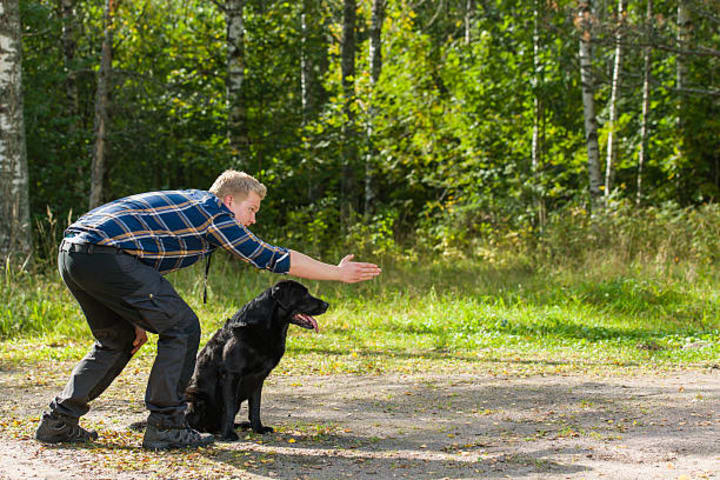
- Use a cheerful voice and say, “Come!” while backing away.
- When they reach you, reward with treats and affection.
Pro Tip: Keep training sessions short (5–10 minutes) and fun. End on a positive note so your pup stays excited to learn.
5. Socialization: The Secret to Raising a Well-Adjusted Dog
Socialization isn’t just about playdates—it’s about exposing your puppy to the world in a positive way. Between 8–16 weeks, puppies are sponges for new experiences. Miss this window, and you risk raising a fearful or reactive dog.
What to Socialize Them To:
- People: Men, women, kids, people in hats, uniforms, or sunglasses.
- Animals: Friendly dogs, cats, and even livestock if accessible.
- Environments: Parks, cars, elevators, sidewalks, and vet offices.
- Sounds: Vacuum cleaners, traffic, thunderstorms (use YouTube videos if needed).
How to Do It Right:
- Go at your puppy’s pace. If they seem scared, don’t force it.
- Pair new experiences with treats and praise.
Warning: Avoid dog parks or unvaccinated dogs until your puppy is fully immunized.
6. Tackling Common Puppy Challenges
Chewing: Puppies explore with their mouths. Redirect them to approved toys and use bitter apple spray on forbidden items (like furniture).
Biting: Yelp “Ouch!” loudly when they nip, then stop playtime. This mimics how littermates communicate boundaries.
Jumping: Turn away and ignore them until they settle. Reward calm behavior with attention.
Barking: Identify the trigger (boredom, fear, excitement). Address the root cause instead of shouting “Quiet!”
7. Crate Training: Why It’s a Game-Changer
Crates get a bad rap, but used correctly, they become a puppy’s sanctuary. Benefits include:
- Faster housebreaking (dogs avoid soiling their den).
- Safety when you’re not home.
- A portable “bedroom” for travel.
How to Crate Train Without Tears:
- Make it cozy: Add a soft bed and a toy.
- Feed meals inside the crate to build positive associations.
- Start with short intervals while you’re home, then gradually increase time.
Never use the crate as punishment.
8. When to Call in the Pros (and How to Choose a Trainer)A
While DIY training is rewarding, some situations warrant expert help:
- Aggression or extreme fear.
- Stubborn behaviors like leash pulling or resource guarding.
- You’re short on time or confidence.
The USA can get a $500 Kohl's Gift Card Now!
Get the best Donuts Samples! (US) United States
(US) Start your 3 day trial in the ProtectVPN App!
(US) You can get a $1000 Amazon Gift Card Now!
US You can get a Walmart Gift Card!
US Claim your Apple Watch Now!
US Get your iPhone 16 Pro Now!
Choosing a Trainer:
- Look for certifications (CCPDT, KPA, or IAABC).
- Avoid trainers who use shock collars, alpha rolls, or intimidation.
- Opt for force-free, science-based methods.
9. The Long Game: Training Never Really Stops
Puppyhood is just the beginning. As your dog grows, keep challenging their mind with:
- Advanced commands (Leave It, Heel).
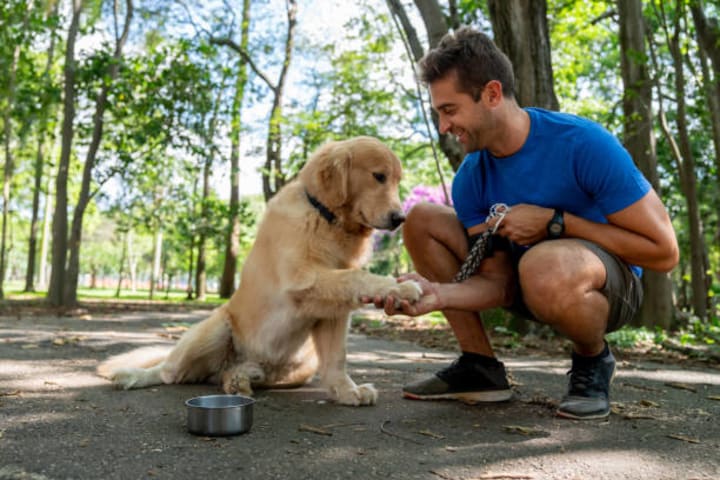
- Fun tricks (roll over, shake paws).
- Agility or scent work.
- Regular refreshers on basics.
Remember, training is bonding. The more you engage, the deeper your connection becomes.
10. Celebrate the Journey
There will be days when your puppy unravels the toilet paper, digs up your garden, or barks at a leaf. But there will also be moments that make it all worth it—the first time they greet you with a toy, the proud wag when they master a trick, or the quiet evenings when they curl up at your feet.
Training isn’t about perfection. It’s about progress, patience, and partnership. You’re not just raising a dog—you’re nurturing a lifelong friend who’ll stick by you through thick and thin. So take a deep breath, grab some treats, and enjoy the ride.
Final Thought: The best puppy trainers aren’t the ones with the most knowledge—they’re the ones with the biggest hearts. Your puppy doesn’t need a drill sergeant; they need a guide, a cheerleader, and a safe place to land. You’ve got this.
About the Author
Lyrics Malka is a dog lover, certified trainer, and advocate for positive reinforcement methods. When not writing or teaching pups to sit, they can be found hiking with their rescue Lab, Charlie, or covered in dog hair (always).
Disclaimer: This article contains an affiliate link which gives me a little commission without any over-charge.
About the Creator
MALKA NAJ
I'm a article and blog writer. I 'm from India, Bihar, Aurangabad,Rafiganj. Also a affiliate marketer. I'm writing for this page about a product.
Wise~Guys
— Look Behind what's in Front of You ~ Make Good Choices — Hey, So how you Doin'..! Made~Men — Mobster Movies romanticise a distinctive, elegant appearance, impeccable attire style, along with the 'Families' expressive lingo. Making their 'Bones' gave them Panache — with vintage fedoras, tailored pin-striped suits, mirror-polished wing-tip shoes adorned with tassels; with their 'Gun Moll' gorgeous dates on their arms.
By Jay Kantor19 days ago in Families
Wild Card Weekend Recap: What Happens Now?
I think I figured out why I love Wild Card Weekend so much. It's because it's the first playoff anything of the calendar year. The NFL season starts in the fall, and once upon a time, the champion was crowned either on or slightly before New Year's. The evolution of the NFL schedule has resulted in the playoffs starting just into the New Year, and currently, the final week of the season falls on the first weekend of the New Year, with Wild Card Weekend coming a week after that. So yes, chronologically, the NFL's Wild Card Weekend serves as the first playoff anything of the calendar year.
By Clyde E. Dawkins7 days ago in Unbalanced




Comments (1)
I have share trending also.