
The Sweetest Days: How Turkey Celebrates Ramazan Bayramı
More than just a holiday, Ramazan Bayramı in Turkey is a heartfelt blend of faith, family, and timeless tradition.

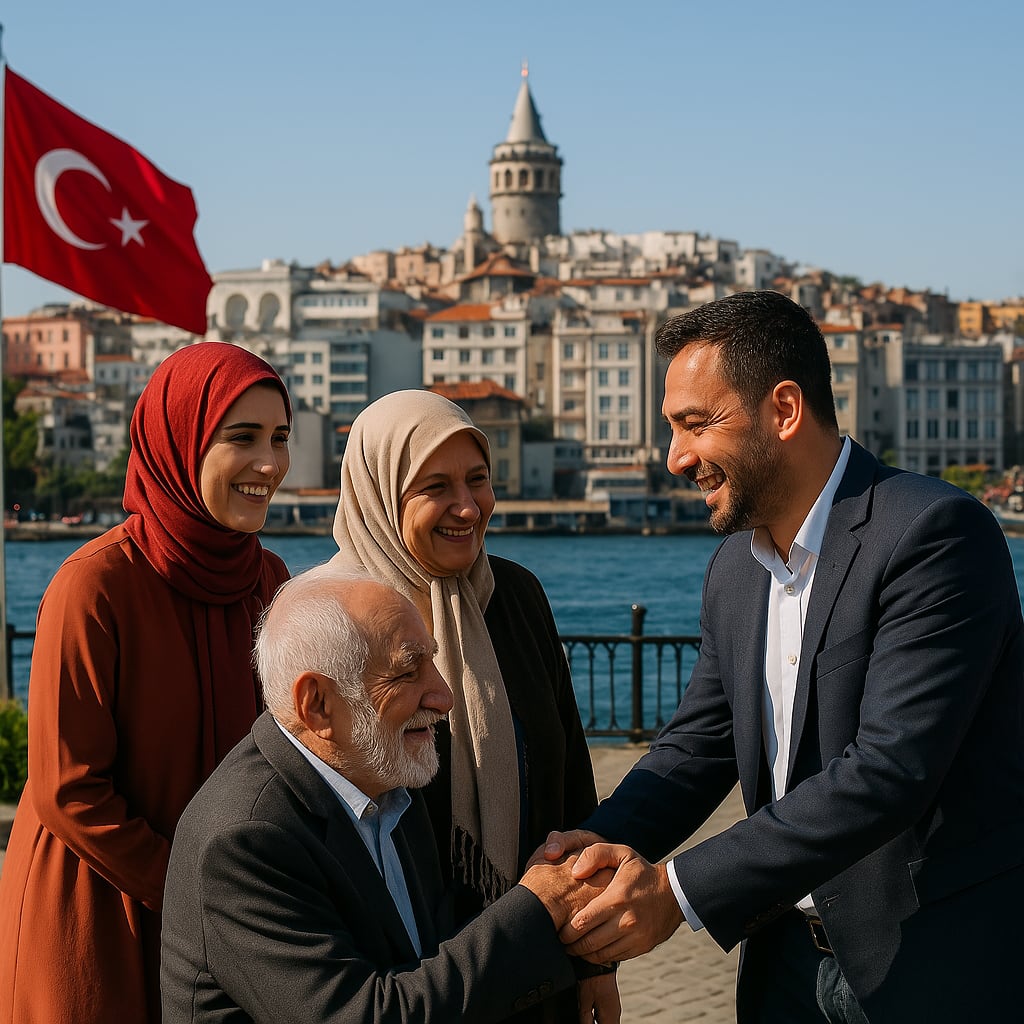
The Sweetest Days: How Turkey Celebrates Ramazan Bayramı
In Turkey, Ramazan Bayramı—known in English as Eid al-Fitr—arrives not merely as the end of a month-long fast, but as the beginning of the year’s most cherished days. For Turks, these “Şeker Bayramı” or “Sugar Feast” days hold a significance that runs deeper than sweets or celebration. It is a collective return to kindness, connection, and childhood joy. It’s a cultural heartbeat.
The Anticipation Begins Before the Holiday
The preparation for Ramazan Bayramı begins days before the actual celebration. Streets grow quieter as the holy month of Ramadan reaches its end, but inside homes, a beautiful commotion stirs. Traditional desserts like baklava, kadayıf, and lokum are prepared or purchased. New clothes are bought—especially for children—because looking fresh and well-dressed is part of honoring the sacredness of the occasion.
Houses are cleaned top to bottom, not just for hygiene, but to welcome blessings. Markets overflow with last-minute shoppers, while barbershops stay open until midnight. There's a phrase often heard during these days: “Bayrama hazırlık, bayramın kendisi kadar önemlidir.” ("Preparing for the feast is as important as the feast itself.")
The Morning of Harmony
On the first morning of Ramazan Bayramı, men gather at local mosques for the Bayram prayer. The streets echo with the gentle murmur of footsteps and prayers at dawn. After the prayer, families begin their day with a traditional breakfast—a joyful reversal after a month of dawn-to-dusk fasting.
Children are the stars of this day. Dressed in their new outfits, they visit elders and neighbors, offering kisses on hands and placing them on their foreheads—a mark of deep respect. In return, they receive chocolates, candies, or small amounts of money, often slipped quietly into their palms with a loving smile.
The Sacredness of Visiting
Visiting family, friends, and even distant relatives is a central ritual. Turks call it bayramlaşmak—a beautifully layered word that means "to celebrate the holiday together." It includes not just physical visits but emotional reconnections. Old grievances are forgiven. Phone lines buzz with calls. Even estranged family members often find an excuse to knock on the door during Bayram.
In many households, there is a designated seat for the eldest member of the family. Conversations are paused when they speak. A cup of Turkish coffee is brewed with extra care. These small details weave an invisible thread between generations.
Cemeteries and Memories
For many families, Ramazan Bayramı begins with a visit to the cemetery. Flowers are laid on graves, and quiet prayers are whispered. It is a moment where the past and present blend. The dead are never forgotten during Bayram. Instead, they are honored through memory, through rituals, and through a few silent tears.
Urban and Rural Rhythms
In villages, Bayram takes on an even more communal form. Neighbors drop by unannounced, bringing plates of food. Doors are never locked. Kids roam the streets in packs, pockets bulging with sweets. Even those who live in cities often travel back to their hometowns, creating traffic jams that are practically a part of the tradition.
In cities like Istanbul or Ankara, the holiday has a more modern texture. Families may spend the day in cafés or parks, or take short vacations. Yet the essence remains: connection, kindness, tradition.
A Holiday of the Heart
Ramazan Bayramı is more than a national holiday in Turkey. It is a time when the fast pace of modern life slows down just enough for people to look at each other a little longer, smile a little wider, and feel a little deeper. It’s about remembering who we are when stripped of the everyday noise: human, fragile, kind, and connected.
In a country where history walks hand in hand with modernity, Ramazan Bayramı stands as a living tradition—one that evolves, yet never forgets its roots. It is sweet, yes—but not just because of the sugar. It’s sweet because of what it reminds us to be.
About the Creator
Ahmet Kıvanç Demirkıran
As a technology and innovation enthusiast, I aim to bring fresh perspectives to my readers, drawing from my experience.
Keep reading
More stories from Ahmet Kıvanç Demirkıran and writers in Families and other communities.
The Mysterious Gift from Santa Claus
There’s something magical about Christmas Eve—a night when the air feels alive with the promise of miracles. For children and adults alike, it’s a time to believe in the extraordinary, even if just for a moment. And what’s more extraordinary than receiving a gift from Santa Claus himself?
By Ahmet Kıvanç Demirkıranabout a year ago in Families
Wise~Guys
— Look Behind what's in Front of You ~ Make Good Choices — Hey, So how you Doin'..! Made~Men — Mobster Movies romanticise a distinctive, elegant appearance, impeccable attire style, along with the 'Families' expressive lingo. Making their 'Bones' gave them Panache — with vintage fedoras, tailored pin-striped suits, mirror-polished wing-tip shoes adorned with tassels; with their 'Gun Moll' gorgeous dates on their arms.
By Jay Kantor18 days ago in Families




Comments
There are no comments for this story
Be the first to respond and start the conversation.