
The Science Behind Tongue Cleaning: Why It's Essential for Oral Health
Key to a Healthier Mouth

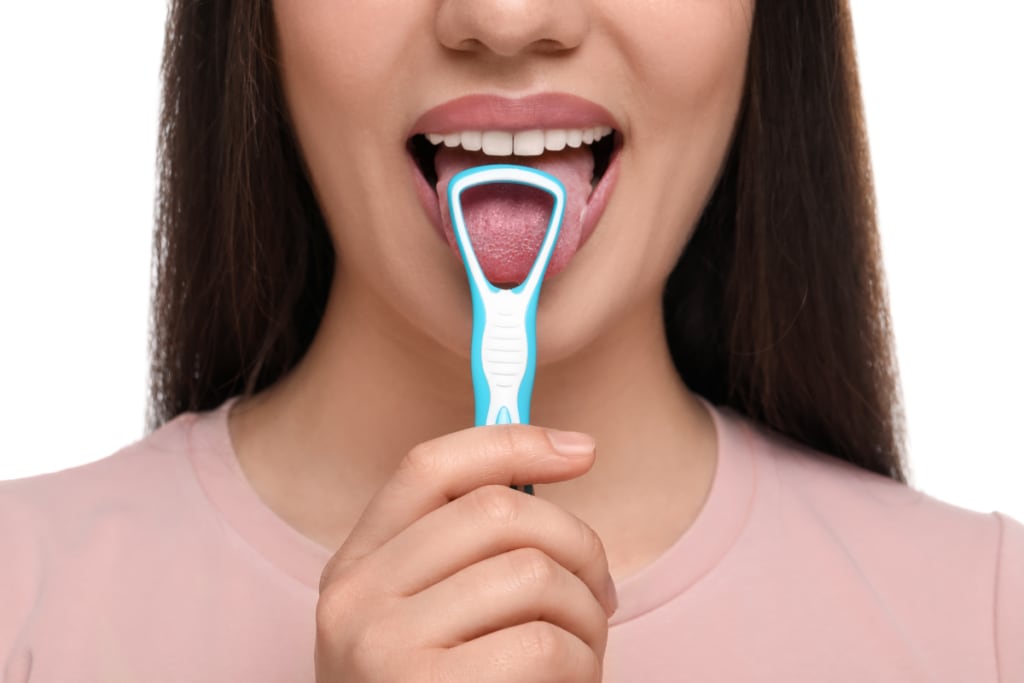
Brushing and flossing are great, but they’re not the whole story when it comes to a clean, healthy mouth. One thing most people skip? Tongue cleaning. It’s a simple habit that can make a big difference. It gives fresher breath, better taste, and fewer oral health issues. Though it might seem new to some, the practice has been around for centuries, especially in Ayurveda and traditional Chinese medicine. Today, it’s finally getting the attention it deserves as a key part of daily oral care. If you haven’t tried it yet, PAANI Tongue Scraper is an easy place to start—effective, easy to use, and a smart addition to your routine.
What Is Tongue Cleaning?
Tongue scraping is mostly termed tongue cleaning. It involves clearing the surface of the tongue of food debris, bacteria, and dead cells. Plaque formation, coated tongue, and bad breath are caused by all these deposits. The most widespread type of tongue scraping is to scrape the surface of the tongue using an instrument designed especially for this purpose. Most of the instruments are formed from plastic, copper, or stainless steel.
Why Is Tongue Cleaning Important?
Given that you already brush your teeth, you may be wondering why tongue cleaning is so crucial. The explanation is simple: bacteria grow on your tongue. Your tongue's bacteria can cause a number of oral health issues if they are not cleaned.
Fresher Breath
Tongue cleaning has many benefits, and one of the most important benefits is cleaner breath. A coated tongue will usually be one of the major causes of bad breath, or halitosis; that is, bacteria on your tongue that release sulfur compounds, which cause unpleasant odors. By cleaning your tongue regularly, you remove these accumulations and freshen your breath. Scientific studies have indicated that approximately 85 % of cases of halitosis are caused within the oral cavity, and the tongue is the major source thereof. Research in dental journals has revealed that frequent cleaning of the tongue can decrease up to 75% of volatile sulfur compounds, greatly improving breath freshness rather than brushing teeth alone.
Improved Taste
A dirty tongue can make you lose a lot of your sense of taste. The coating of bacteria and debris may block your taste buds so much that you cannot appreciate the flavor of your food at all. However, cleaning your tongue removes this coating so that taste buds will function at their optimum level, producing a more pleasurable eating experience.
Research studies have revealed that regular tongue cleaning is capable of improving taste sensitivity by about 50% among subjects who had had a really heavy tongue coating previously. It can increase the taste perception whereby one appreciates food more and possibly nourishes better as flavor notes become more prominent.
Better Overall Oral Health
Tongue cleaning is also an important component of avoiding plaque buildup. Plaque can contribute to gum disease, tooth decay, and other infections in your mouth. Cleaning your tongue makes it easier for you to cut down on the overall bacterial content in your mouth, reducing your chances of experiencing these problems. Scraping your tongue on a regular basis is an important part of keeping better oral hygiene.
The bacteria that live in the tongue biofilm don't remain isolated. They can repopulate your teeth and gums within minutes after brushing, undermining your other oral hygiene practices. This repeated reseeding of bacteria from the tongue has been associated with more plaque formation, greater risk of gingivitis and periodontitis, higher incidence of dental caries, and slower healing after dental procedures.
Boosted Immune System
Your oral health is closely related to your overall health. Infections in your mouth can spread throughout your body. By getting rid of harmful bacteria on your tongue, you lower the risk of bacteria entering your bloodstream and causing inflammation in other areas of your body. This can help maintain a healthy immune system.
Recent medical studies have confirmed links between oral bacteria and several systemic disorders such as respiratory infections, cardiovascular disease, and diabetes complications. Proper tongue hygiene reduces the general bacterial load within your mouth and may help mitigate these health concerns.
How Does a Tongue Scraper Work?
A tongue scraper is an easy but efficient tool that is made to scrape away the buildup on your tongue. It's usually U-shaped, with a curved edge that matches the shape of the tongue. Used correctly, the scraper is carefully pulled from the back of the tongue towards the front, scraping away the bacteria buildup, dead cells, and food bits.
Most tongue scrapers are made of materials such as stainless steel or copper because these materials are long-lasting, easy to clean, and resistant to bacterial buildup. Copper has natural antimicrobial properties due to what scientists refer to as the oligodynamic effect—the capacity of metal ions to have a killing effect on bacteria even at relatively low concentrations. Plastic alternatives do exist, but they may not be as long-lasting or effective at removing buildup.
How to Use a Tongue Scraper
Using a tongue scraper is easy and can be incorporated into your daily oral hygiene routine. Here's how you can do it:
Choose the Right Scraper: Select a tongue scraper that feels comfortable and suits your needs. Stainless steel and copper are often preferred because they are long-lasting and effective.
Start at the Back: Gently place the scraper at the back of your tongue. Don't press too hard, as the surface of the tongue is sensitive.
Scrape Gently: Pull the scraper forward toward the tip of your tongue, applying light pressure. You should feel the tool gently scraping away the buildup on your tongue.
Rinse and Repeat: After each scrape, rinse the scraper under warm water to remove the debris. Repeat the process a few times until the tongue appears clean.
Finish with brushing: Once you've finished scraping, brush your teeth and floss to complete your oral hygiene routine.
How Often Should You Clean Your Tongue?
Tongue cleaning must be done on a daily basis. Similar to brushing teeth, it should be cleaned once or twice a day. Some people find it convenient to clean their tongue upon waking up in the morning since bacteria and other debris accumulate overnight on the tongue.
If you are experiencing chronic bad breath or coated tongue, you might want to be more frequent in cleaning your tongue during the day. But a once-a-morning cleaning is adequate for most individuals.
What Are the Best Types of Tongue Scrapers?
There are a variety of tongue scrapers on the market, each offering different benefits. Some common options include
Stainless Steel: Known for their durability and resistance to bacterial buildup, stainless steel scrapers are often the most effective and long-lasting option.
Copper: Copper has natural antimicrobial properties, making it a popular choice for those seeking a more natural option. Studies have shown copper scrapers can reduce bacterial load by nearly 80%.
Plastic: Plastic scrapers are lightweight and easy to use, but they may not last as long as stainless steel or copper alternatives.
Additional Tips for Oral Health
While tongue cleaning is an important step in maintaining oral health, don't forget to follow other essential hygiene practices. Here are some tips to enhance your overall oral care routine:
Brush twice a day with fluoride toothpaste to remove plaque and prevent tooth decay.
Floss daily to remove food particles and plaque between your teeth.
Stay hydrated to maintain moisture in your mouth and prevent dry mouth, which can lead to bacterial buildup.
Visit your dentist regularly for checkups and professional cleanings.
Conclusion
Adding tongue cleaning to your daily practice can bring substantial oral health benefits. Whether you're seeking to deodorize, enhance taste, or minimize the risk of oral infection, using a tongue scraper is an effective method to achieve a cleaner mouth. Paired with regular brushing, flossing, and drinking, along with tongue cleaning, can aid in maintaining your best oral hygiene.
By keeping your tongue clean, you're making a vital move towards attaining a healthier, fresher smile each day.
About the Creator
PAANI
At PAANI Bottle, we are dedicated to promoting health and sustainability through our handcrafted copper water bottles. Our mission is to provide eco-friendly alternatives that enhance your well-being while reducing environmental impact.
Keep reading
More stories from writers in Families and other communities.




Comments
There are no comments for this story
Be the first to respond and start the conversation.