
The Right Way to Wash Your Hair: Are You Doing It Correctly?
Right Way to Wash Your Hair

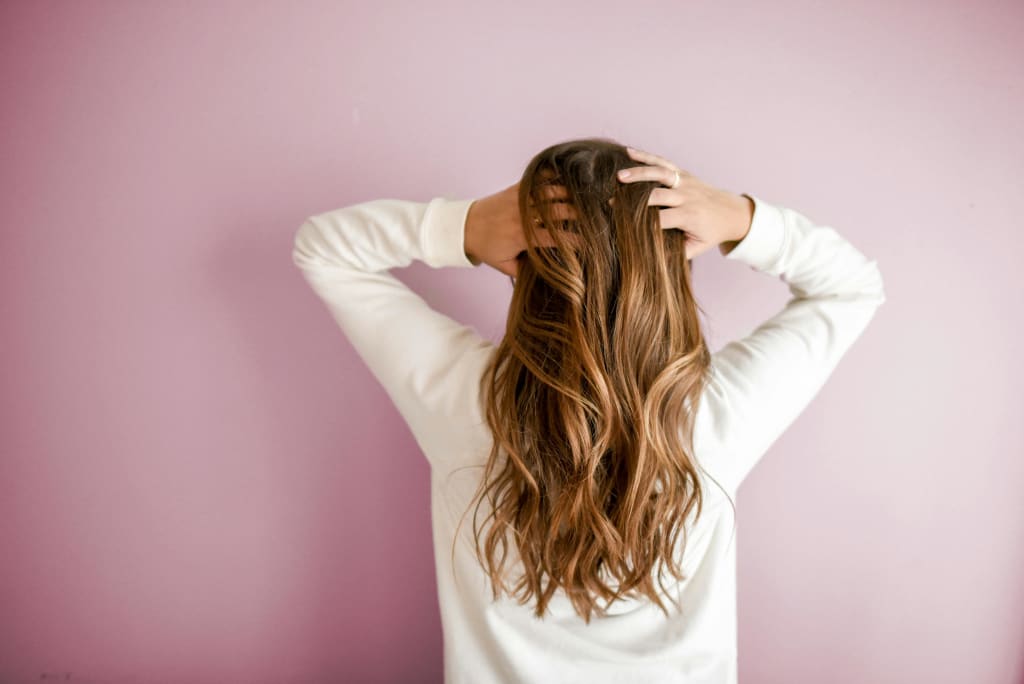
Hair washing is an essential part of any hair care routine, but many people unknowingly make mistakes that can lead to dryness, breakage, or even hair loss. Whether you're dealing with the first signs of hair thinning or struggling to find the best products for high porosity hair, learning the correct way to wash your hair can make a significant difference. In this guide, we’ll walk you through the best techniques, common mistakes to avoid, and tips to keep your hair healthy and vibrant.
Why Proper Hair Washing Matters
Washing your hair correctly isn’t just about cleanliness; it’s about maintaining scalp health, preventing damage, and ensuring your strands receive the right nourishment. Improper washing can strip your hair of essential oils, leading to dryness, frizz, and breakage. On the other hand, not washing enough can result in product buildup and an unhealthy scalp.
Step-by-Step Guide to Washing Your Hair Correctly
1. Choose the Right Shampoo for Your Hair Type
Different hair types require different shampoos. If you have high porosity hair, meaning your strands absorb moisture quickly but lose it just as fast, you should use moisturizing products for high porosity hair. Look for sulfate-free shampoos enriched with hydrating ingredients like aloe vera, shea butter, and glycerin to prevent excessive dryness.
For those experiencing the first signs of hair thinning, a volumizing or strengthening shampoo with biotin, keratin, or caffeine can help promote hair density.
2. Wet Your Hair with Lukewarm Water
Hot water can strip the scalp of natural oils, leaving hair dry and brittle. Instead, use lukewarm water to open the hair cuticles and allow shampoo to penetrate properly without causing damage.
3. Use the Right Amount of Shampoo
More shampoo doesn’t always mean cleaner hair. Depending on your hair length and thickness:
- Short hair: Use a dime-sized amount
- Medium-length hair: Use a quarter-sized amount
- Long hair: Use a half-dollar-sized amount
Massage the shampoo gently into your scalp using your fingertips (not your nails) to stimulate blood circulation and cleanse thoroughly.
4. Focus on the Scalp, Not the Ends
Your scalp produces oil, so it’s the area that needs the most cleansing. Apply shampoo to the roots and let the lather rinse through the rest of your hair as you wash it out. Scrubbing the ends too much can cause unnecessary dryness and split ends.
5. Rinse Thoroughly Before Applying Conditioner
Residual shampoo can cause buildup, making hair appear dull and greasy. Rinse for at least 30-60 seconds to ensure all shampoo is washed away.
6. Apply Conditioner Correctly
Conditioner should be applied mainly to the mid-lengths and ends of your hair, avoiding the scalp. High porosity hair benefits from deep conditioning treatments, while those with thin or fine hair should opt for lightweight, volumizing formulas to avoid excess weight.
For hair loss treatment for women, look for conditioners containing castor oil, biotin, or collagen to support hair strength and growth.
7. Rinse with Cool Water
Using cool water to rinse out your conditioner helps seal the hair cuticle, making your hair shinier and less prone to frizz. This step is crucial for maintaining moisture, especially if you use products for high porosity hair.
8. Pat Dry with a Microfiber Towel
Traditional towels can cause friction and lead to breakage and frizz. Instead, gently pat your hair dry with a microfiber towel or a soft cotton T-shirt to minimize damage. Avoid rubbing your hair aggressively, as it weakens the strands.
9. Detangle with a Wide-Tooth Comb
Wet hair is fragile, so use a wide-tooth comb to gently detangle from the ends upward. This prevents unnecessary pulling and breakage. For additional protection, apply a leave-in conditioner or heat protectant before styling.
Common Hair Washing Mistakes to Avoid
Many people unknowingly damage their hair by making these mistakes:
❌ Washing hair too frequently – Overwashing can strip essential oils, leading to dryness. Aim for 2-3 washes per week, depending on your hair type.
❌ Using the wrong shampoo – If you have high porosity hair, you need deep hydration; if your hair is thinning, look for fortifying ingredients.
❌ Scrubbing the scalp too hard – Being too rough can cause irritation and even accelerate hair loss.
❌ Applying conditioner to the scalp – This can lead to buildup and weigh hair down.
❌ Using excessive heat – Blow-drying on high heat or using hot tools without protection can weaken the hair shaft.
Signs You Might Need to Change Your Hair Washing Routine
If you notice any of the following issues, it may be time to adjust your hair washing habits:
✔️ Your scalp feels itchy or flaky – This could mean you’re using a shampoo that’s too harsh or not rinsing thoroughly.
✔️ Your hair looks limp and greasy quickly – You may be using too much conditioner or applying it to the scalp.
✔️ You’re experiencing breakage or shedding – If you see the first signs of hair thinning, switch to a gentle, strengthening shampoo to support hair health.
✔️ Your ends feel excessively dry – You may need moisturizing products for high porosity hair or to reduce washing frequency.
Conclusion
Washing your hair correctly is a simple yet powerful way to maintain healthy, strong, and beautiful locks. By using the right techniques, choosing suitable products for high porosity hair, and avoiding common mistakes, you can prevent damage and support hair growth.
If you’re noticing the first signs of hair thinning or need an effective hair loss treatment for women, consider switching to a scalp-friendly routine and using strengthening hair care products.
💡 Need personalized hair care advice? Visit Elite Hair Care USA for expert recommendations and high-quality products tailored to your hair’s needs!
About the Creator
Elite Hair Care USA
Elite Hair Care USA offers professional haircare products for women designed for hair regrowth, repairing damaged hair, and maintaining healthy hair. Shop now!
Keep reading
More stories from writers in Families and other communities.
Goodbye, Mr. Duvall
It is turning out to be an interesting year. I was in the middle of teaching a class when a pop-up appeared on the screen announcing the death of Mr. Robert Seldon Duvall (yes, that was his full name). I was in the middle of a discussion on the obsession we have with winning when it comes to sports (the Winter Olympics was a theme), and I felt as though things were coming full circle. We had already lost Gene Hackman last year, and along with that titan, it feels though one particular golden age has closed off to be replaced by...?
By Kendall Defoe 6 days ago in Geeks
The Cave Part 6
If you have ever heard a tale about yourself that you cannot remember and doubtless think is made up, you will know how I felt when Tharkin related all that the eagle had seen of me before my memories were scattered. Of far distances and traveling companions that I did not recall, camping out under the stars and making our way to the mountains with deliberate purpose. The great bird had lost contact with my party once we entered the forests, and the seven other members were not seen again by him or his brethren since.
By Jamye Sharp7 days ago in Chapters


Comments
There are no comments for this story
Be the first to respond and start the conversation.