
The Most Common Skylight Installation Mistakes and How to Fix Them
Skylight Installation Mistakes

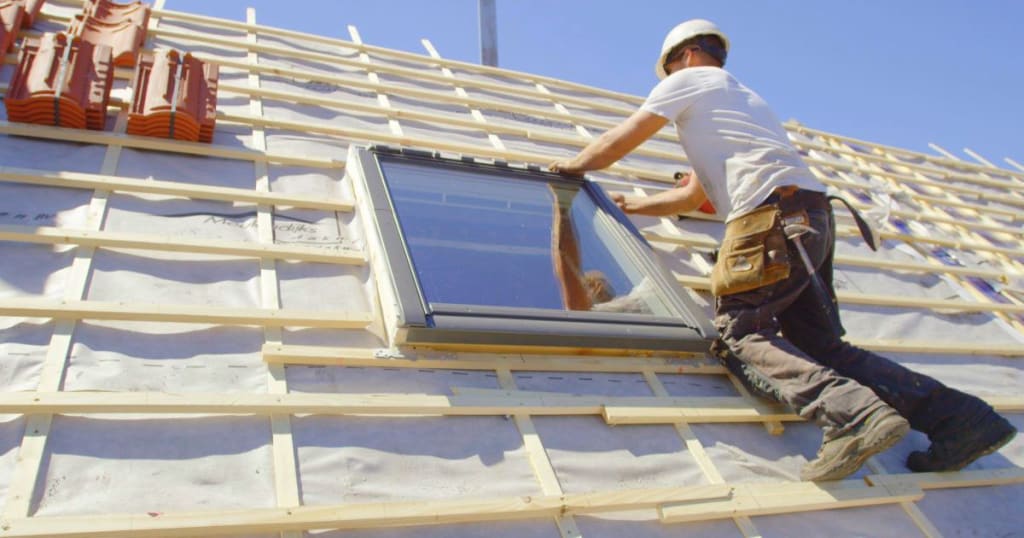
Skylights are an excellent architectural addition to any home, bringing in natural light, reducing the need for artificial lighting, and even improving mood and well-being. However, despite their benefits, skylights can become a major source of frustration if they’re not installed correctly. From leaks and drafts to structural damage and energy inefficiencies, the risks of poor installation are real—and costly.
In this comprehensive guide, we’ll explore the most common skylight installation mistakes, why they happen, what the consequences are, and, most importantly, how to avoid or fix them. Whether you're planning a new skylight installation or considering skylight repair on an existing one, this guide will help you make informed decisions to keep your home safe, efficient, and beautifully lit.
1. Poor Skylight Placement
Mistake:
Installing a skylight without accounting for sun exposure, structural framing, and interior layout can lead to ineffective lighting, glare, and even structural risks.
Why It’s a Problem:
Skylights placed in the wrong location might overheat a room, create uneven lighting, or interfere with ceiling joists and beams. They can also leak more frequently if installed near roof valleys or low-pitch areas.
Fix:
Consult a professional roofer or architect to determine the best spot for your skylight. Generally:
- South-facing skylights provide maximum daylight.
- North-facing ones offer more consistent, indirect light.
- Avoid placing skylights directly under plumbing or electrical lines.
- Check blueprints to avoid cutting through structural supports unless it's safe and intentional.
A well-planned placement ensures the skylight performs well and integrates seamlessly with your home’s structure.
2. Incorrect Roof Slope or Pitch
Mistake:
Installing a skylight on a roof with insufficient slope can lead to water pooling, increased risk of leaks, and faster wear on sealing materials.
Why It’s a Problem:
Flat or low-slope roofs don’t shed water easily. This increases the likelihood of standing water near the skylight, which can seep into gaps and damage the interior of your home.
Fix:
Always follow the skylight manufacturer’s minimum slope requirements. For flat or low-slope roofs:
- Use curb-mounted skylights with raised frames.
- Ensure flashing is elevated and water-tight.
- Install waterproof membranes around the curb to prevent seepage.
Skylight repair due to slope-related leaks is a common issue but can be avoided by using the right skylight type for your roof’s pitch.
3. Improper Flashing Installation
Mistake:
Skipping proper flashing or doing a rushed job is one of the biggest causes of skylight leaks.
Why It’s a Problem:
Flashing is the metal or composite material used to seal the skylight where it meets the roof. Poor flashing allows water to enter, causing mold, wood rot, and insulation damage.
Fix:
Use high-quality, manufacturer-recommended flashing kits. During installation:
- The flashing must be layered with roofing shingles correctly to direct water away.
- Add ice and water shields in colder climates to protect against ice dams.
- Avoid caulking as a long-term solution—caulk breaks down over time.
If your skylight is leaking, the flashing is often the first place to inspect. Most skylight repair professionals will replace or reseal flashing during leak fixes.
4. Poor Sealing and Insulation
Mistake:
Inadequate sealing and insulation around the skylight can lead to drafts, heat loss, and condensation.
Why It’s a Problem:
Unsealed gaps let warm indoor air meet the cold skylight surface, leading to condensation. Over time, moisture buildup can damage the surrounding drywall, framing, and paint.
Fix:
- Use non-expanding, weather-resistant sealants around the skylight frame.
- Apply closed-cell insulation in the cavity between the frame and the roof.
- Avoid spray foam unless it's low-expansion and approved for skylight use.
Proper sealing and insulation not only enhance comfort but also reduce your energy bills over time.
5. Using Low-Quality Materials
Mistake:
Choosing the cheapest skylight or flashing material often results in shorter lifespan, poor thermal performance, and increased need for skylight repair.
Why It’s a Problem:
Low-quality skylights are prone to UV damage, discoloration, brittle seals, and frame distortion. They also might not come with sufficient warranties or meet local building codes.
Fix:
Invest in reputable skylight brands that offer features such as:
- UV protection
- Double-glazed or tempered glass
- Aluminum or composite frames that resist corrosion
- Manufacturer warranties (10+ years is ideal)
This small upfront investment saves money in the long term and ensures your skylight complements your roof restoration goals.
6. Not Matching Skylight to Roof Type
Mistake:
Assuming all skylights work with all types of roofing can lead to compatibility issues, poor sealing, and complex installations.
Why It’s a Problem:
Different roofing materials (e.g., metal, asphalt shingles, tile) have unique shapes and installation requirements. A standard skylight may not sit flush on a metal roof, or flashing might not conform to curved tile profiles.
Fix:
- For metal roofs, use skylights designed with raised curbs and metal-compatible flashing.
- For tile roofs, consider flashing kits with step flashing and water diverters to fit between and over the tiles.
- Always check product specs to ensure compatibility.
If your skylight is leaking and you have an unusual roof material, it may not be a flashing issue—it could be a roof type mismatch, and you’ll need a skylight repair expert to reconfigure the installation.
7. Lack of Regular Maintenance
Mistake:
Many homeowners think skylights are “set and forget.” Unfortunately, this mindset often leads to long-term problems.
Why It’s a Problem:
Like any roof component, skylights wear over time due to weather exposure, debris buildup, UV rays, and shifting roof structures. Without regular checks, small issues can snowball into major repair needs.
Fix:
Conduct semi-annual skylight inspections, especially:
- After heavy storms or snow
- Before and after winter
- During spring cleaning
Check for:
- Cracks in the glass or dome
- Rust or corrosion on the frame
- Deteriorating seals
- Clogged weep holes or debris buildup
A quick cleaning and inspection routine helps catch problems early and reduce the frequency of skylight repair or replacement.
Warning Signs You May Need Skylight Repair
Even with proper installation, skylights don’t last forever. Here are signs that your skylight may need professional repair:
- Water stains or leaks around the skylight or on nearby ceilings/walls
- Condensation inside the glass layers or dripping from the frame
- Discoloration or yellowing of the glass
- Drafts or noticeable temperature changes near the skylight
- Cracks or chips in the glass or plastic
- Flashing pulling away from the roof
If you notice any of these issues, it’s best to address them promptly. Delaying skylight repair can lead to much more expensive roof restoration and interior damage.
Final Thoughts: Better Skylights Start with Better Planning
Skylights can dramatically improve the look and feel of your home. They bring in beautiful, natural daylight and can even improve property value. But when they’re not installed properly—or when maintenance is neglected—they can be one of the most problematic parts of your roof.
To avoid future headaches:
- Plan your installation carefully
- Use high-quality materials
- Hire experienced professionals
- Perform routine checks and maintenance
- And most importantly, act quickly if you see signs that your skylight needs attention.
Whether you’re adding a new skylight or managing an older one, being proactive is the key to enjoying all the benefits without the common drawbacks. If you're currently experiencing problems, consider scheduling a professional skylight repair to evaluate and fix the issue before it worsens.
About the Creator
Skyline Roof Restorations
Welcome to SKYLINE ROOF RESTORATIONS PTY LTD. As our name suggests, we are professional roofers who take on projects from Brisbane. We’ve been providing remarkable roofing services along the east coast for more than 25 years!
Keep reading
More stories from writers in Families and other communities.
The Loneliest People Are the Most Liked
I have 3,842 followers. And no one to call when my chest feels heavy at 11:47 p.m. It sounds dramatic when I say it out loud, which is probably why I don’t say it. Instead, I post. A photo. A joke. A thoughtful caption about growth. A filtered version of a life that looks full. People respond the way they always do — hearts, laughing emojis, “You’re glowing lately,” “Proud of you,” “You’re such a positive soul.” Positive. That word follows me everywhere. I learned early that people like warmth. They like the friend who listens more than they speak. The one who remembers birthdays. The one who shows up smiling, even when they arrived tired. So I became that person. Not because I was fake — but because it worked. Being liked feels a lot like being safe. When you’re liked, people clap for you. They invite you places. They tag you in things. They assume you’re doing well. And assumptions are comfortable. No one looks too closely at someone who seems fine. I seem fine. The loneliest people aren’t the quiet ones in the corner. Sometimes they’re the loudest laugh in the room. The ones who know how to carry a conversation. The ones who can make strangers feel seen. I know how to make people feel seen. I just don’t know how to let them see me. There’s a difference. When you’re the “strong” friend, the “funny” friend, the “put-together” one, you slowly become a role instead of a person. And roles don’t get comforted. They perform. At gatherings, I float between groups like I belong everywhere. I ask questions. I remember details. I make connections. I leave with new followers, new contacts, new proof that I’m socially successful. And then I go home and sit on the edge of my bed in complete silence. No notifications feel the same as conversation. No heart emoji replaces eye contact. No comment section replaces someone noticing that your voice sounded off. Sometimes I scroll through my own profile to understand why I feel so empty. The grid is curated. Balanced. Happy. There’s evidence of friendships, coffee dates, achievements, small adventures. If someone studied my page, they’d think I’m surrounded. Maybe that’s why I don’t reach out when I need help. Who would believe the person who always looks okay? There’s a strange pressure in being well-liked. You don’t want to disappoint the image people hold of you. You don’t want to be “too much.” You don’t want to shift from inspiring to overwhelming. So you swallow the heaviness. You reply, “I’m good!” automatically. You become efficient at redirecting conversations away from yourself. You tell yourself loneliness is dramatic. After all, you’re constantly interacting. Constantly visible. But visibility isn’t intimacy. And being known is not the same as being recognized. I remember one night in particular. I had just posted something vulnerable — but not too vulnerable. Carefully measured honesty. The kind that hints at depth but doesn’t expose the wound. It went viral. Messages poured in. “Thank you for saying this.” “You always articulate things so well.” “You’re so brave.” I stared at the screen and felt nothing. Because bravery would have been telling someone specific, “I’m not okay.” Bravery would have been admitting that I feel invisible even when I’m admired. But admiration is addictive. It fills the surface. It doesn’t reach the center. The loneliest people are often the most liked because they learned how to survive by being agreeable. Being helpful. Being impressive. They built connection skills before they built vulnerability skills. I know how to network. I don’t know how to need. There’s a fear underneath it — what if people like the version of me that doesn’t ask for anything? What if the moment I reveal the mess, the overthinking, the quiet sadness, the confusion… the likes fade? So I maintain. I keep conversations light. I keep problems private. I keep performing stability. And the world rewards me for it. But sometimes, late at night, I wonder what it would feel like to be deeply understood instead of widely appreciated. To have one person notice the pause before I say “I’m fine.” To have someone call without a reason. To sit in silence with another human and not feel the need to entertain. Loneliness isn’t always about physical isolation. It’s about emotional distance. It’s about realizing that many people enjoy you, but very few truly know you. And maybe that’s partly my fault. Being liked gave me control. If I’m useful, funny, inspiring — people stay. If I’m messy, confused, uncertain — that feels risky. But slowly, I’m learning something uncomfortable. Connection requires risk. The kind where you let someone see the unedited version. The kind where you say, “I don’t have it together.” The kind where you admit you don’t want advice — just presence. The first time I told a friend, “I’ve been feeling really alone,” my voice shook. It felt dramatic. Unnecessary. Embarrassing. She didn’t laugh. She didn’t minimize it. She said, “Why didn’t you tell me sooner?” I didn’t have an answer. Maybe because I was too busy being liked. Maybe because I confused applause with affection. Maybe because I thought needing someone would make me less admirable. But something shifted that night. A small crack in the performance. A small step away from being universally appreciated and slightly more personally known. I still have 3,842 followers. But now I also have one person who knows that sometimes, I sit on the edge of my bed and feel the weight of everything. And somehow, that one connection feels louder than all the notifications combined. The loneliest people are often the most liked. Not because they are fake. But because they learned how to shine in public and hide in private. I’m tired of hiding. I don’t want to be everyone’s favorite. I just want to be someone’s real.
By Faizan Malikabout 8 hours ago in Families
The Times I Remember with Dziadek
My grandfather recently passed away – he is forever in my heart though. It was Thursday afternoon, and I am sitting upstairs in Equinox Hudson Yards, preparing myself to have lunch, and then I receive a text from my mom. I did not think much of it in that instance, but when I opened it, I knew right away. I read it. It hurts me now even typing about it.
By Michael Owczarekabout 3 hours ago in Families
The Cave Part 6
If you have ever heard a tale about yourself that you cannot remember and doubtless think is made up, you will know how I felt when Tharkin related all that the eagle had seen of me before my memories were scattered. Of far distances and traveling companions that I did not recall, camping out under the stars and making our way to the mountains with deliberate purpose. The great bird had lost contact with my party once we entered the forests, and the seven other members were not seen again by him or his brethren since.
By Jamye Sharp8 days ago in Chapters


Comments
There are no comments for this story
Be the first to respond and start the conversation.