
The Loneliness Epidemic in the Digital Age
Why We Feel More Alone Than Ever Despite Being Always Connected
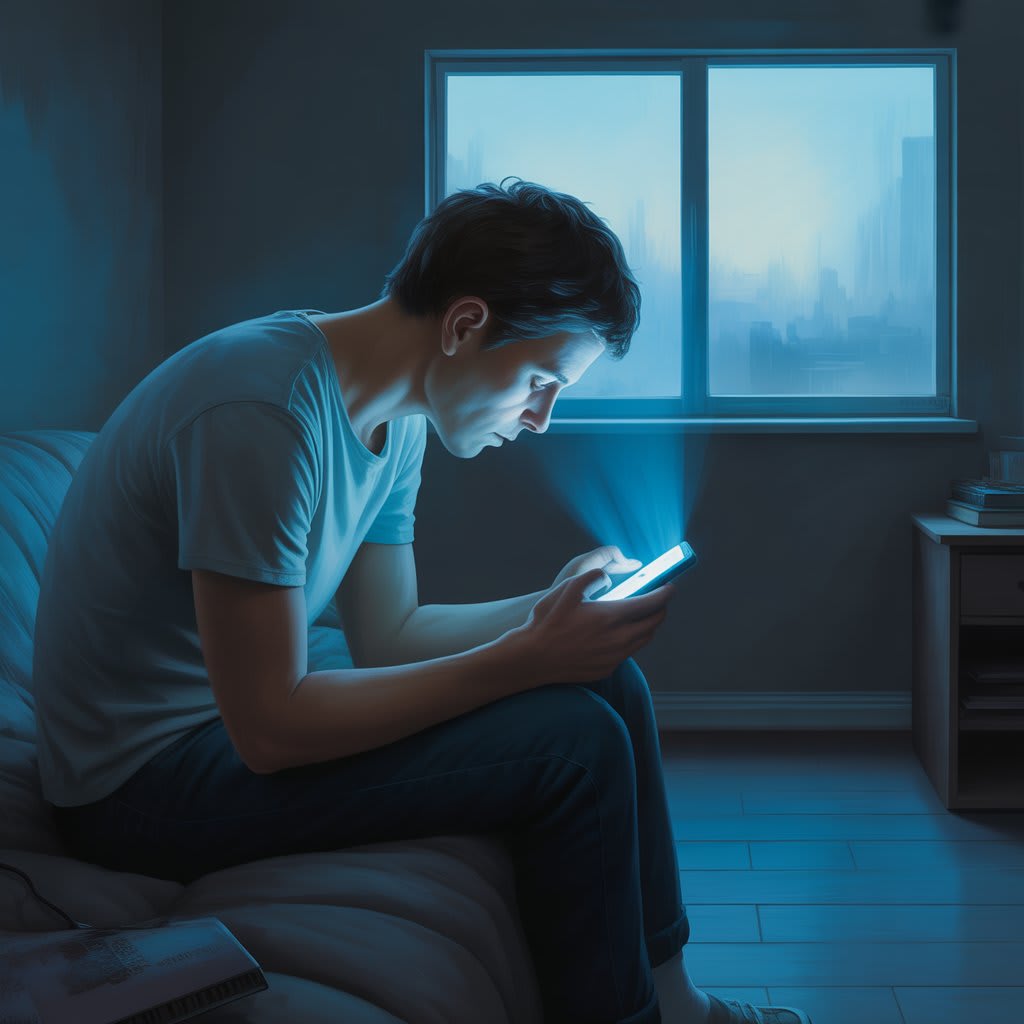
In a world buzzing with notifications, video calls, and social media posts, it’s easy to assume that we’re more connected than ever. Our smartphones never leave our side, we chat with friends across the globe, and we can instantly share a photo or thought with hundreds—if not thousands—of followers. Yet, beneath this blanket of digital connectivity, a profound loneliness is quietly spreading, affecting people of all ages, backgrounds, and locations.
The irony is stark: we are digitally hyperconnected, yet emotionally more isolated. This is the paradox of the modern age, and it's fueling what many now call the loneliness epidemic.
The Rise of Digital Connection—and Disconnection
When social media platforms first emerged, they promised to bring people together. Facebook helped college students stay in touch. Instagram let us share slices of our lives. WhatsApp and Messenger made instant communication across countries possible. But over time, these platforms evolved from tools of connection into spaces of comparison, performance, and curated realities.
Scrolling through Instagram or TikTok today can feel like walking through a museum of everyone else’s best moments: perfect vacations, exciting achievements, ideal relationships. This constant exposure to filtered realities can leave us feeling inadequate, unseen, or excluded. As we consume more content, we engage less meaningfully with people. Liking a photo or commenting on a post isn’t a substitute for a heart-to-heart conversation. The result? We begin to feel alone—even when we're surrounded by digital noise.
Understanding Loneliness
Loneliness isn’t just about being alone. It’s a subjective feeling of being isolated, disconnected, or not truly understood. You can feel lonely in a crowd or even while chatting in a group chat if you lack genuine connection. It’s a human emotion, often overlooked, but deeply impactful on mental and physical health.
According to several psychological studies, chronic loneliness can be as harmful as smoking 15 cigarettes a day. It’s linked to depression, anxiety, weakened immunity, and even premature death. And the scariest part? It’s rising rapidly—especially among younger generations who are the most active online.
Why Is Loneliness Increasing in the Digital Age?
There’s no single cause, but a number of intersecting factors contribute to the loneliness epidemic:
1. Social Media Comparison Culture
Platforms like Instagram and TikTok are built around engagement and aesthetics. We present our lives as highlight reels, showcasing only the good while hiding the struggles. When everyone appears to be thriving, we begin to question our own worth and wonder why we don’t feel as happy or successful. This comparison creates emotional distance and makes it harder to open up about real issues, further deepening the sense of isolation.
2. Decline in Face-to-Face Interaction
Thanks to the convenience of texting and messaging apps, many people now go days or weeks without having meaningful face-to-face conversations. Digital communication lacks tone, body language, and emotional depth. It’s functional, yes—but not always fulfilling. Humans are social creatures, wired for real interaction. Without it, our emotional needs often go unmet.
3. Remote Work and Urban Isolation
The shift to remote work, accelerated by the pandemic, has removed many casual interactions we once took for granted—chats by the coffee machine, lunch with coworkers, small talk during commutes. Meanwhile, in cities, more people live alone, and busy lifestyles often prevent forming close-knit communities. Digital connection tries to fill the gap, but it often falls short.
4. Fear of Vulnerability
Ironically, the more connected we are online, the harder it can become to be vulnerable. There’s pressure to appear fine, successful, and put-together. Admitting to loneliness or emotional pain can feel like weakness. As a result, we suffer in silence, thinking we’re the only ones feeling this way, when in truth, many around us are experiencing the same.
Who Is Affected?
While loneliness can impact anyone, certain groups are especially vulnerable in the digital age:
Teenagers and Young Adults: Despite being the most connected digitally, they report the highest levels of loneliness. Constant exposure to social media and online bullying contribute to this.
Elderly Individuals: As family structures evolve and in-person contact decreases, older adults may struggle with feeling forgotten or left out of the digital world.
Remote Workers: Without daily interaction with colleagues, many find themselves isolated.
People Living in Big Cities: Urban life is busy and fragmented. It’s possible to live among millions and still feel invisible.
The Role of the Pandemic
COVID-19 turned loneliness into a global crisis. Lockdowns, social distancing, and remote everything forced people into prolonged isolation. Even those who previously didn’t struggle with loneliness began to feel its weight. The pandemic exposed just how dependent we are on physical presence and emotional intimacy. It also highlighted the limits of digital connection—it helped us stay in touch but didn’t always help us feel together.
Coping with Loneliness in a Hyperconnected World
Though the issue is complex, there are practical steps individuals and communities can take to reduce loneliness:
1. Prioritize Deep Conversations
Instead of frequent shallow interactions, aim for fewer but deeper conversations. Call a friend instead of texting. Meet for coffee. Ask how someone is really doing. Listening with empathy and openness can go a long way in bridging emotional gaps.
2. Limit Mindless Scrolling
Social media isn’t inherently bad—but overuse or passive consumption can be. Set boundaries. Unfollow accounts that make you feel inferior. Use platforms to connect, not compare. Focus on creating content that reflects your authentic self, not just the highlights.
3. Engage in Community Activities
Whether it's volunteering, joining a book club, or attending local events, engaging in in-person community life creates a sense of belonging. These connections may not start deep, but with time and shared experience, they can become meaningful.
4. Practice Vulnerability
Being open about your struggles can be scary—but it's also the gateway to genuine connection. You’d be surprised how many people feel the same way and are just waiting for someone to say it out loud first.
5. Seek Professional Help
If loneliness becomes overwhelming or persistent, therapy can provide tools to understand and manage it. Mental health professionals can offer perspective, coping strategies, and support systems.
The Hope in Human Connection
Despite the challenges, there’s hope. Loneliness is a deeply human experience, which means it can also be healed by human connection. Every time we choose to check in on someone, listen without judgment, or share our own truth, we chip away at the walls of isolation.
We must also push for broader societal changes: workplaces that value connection, digital spaces that foster authenticity, and communities that don’t leave people behind. The loneliness epidemic isn’t just a personal issue—it’s a cultural one, and solving it will require both individual effort and collective compassion.
Final Thoughts
In the digital age, it’s easy to mistake connection for closeness. But likes, messages, and followers are no substitute for real presence, real understanding, and real love. As we continue to navigate this always-online world, we must remember the importance of slowing down, showing up, and speaking truthfully.
Loneliness may be widespread, but it isn’t permanent. It’s a signal—not of weakness, but of our need for each other. And that need, when acknowledged and embraced, can be the beginning of something beautifully healing.
About the Creator
Keep reading
More stories from Aiman Shahid and writers in Families and other communities.
The Pressure to Be Perfect in the Age of Instagram
In an age dominated by filtered photos, curated lifestyles, and influencer culture, the pursuit of perfection has found a new breeding ground — Instagram. Once a simple photo-sharing platform, Instagram has evolved into a global stage where people present the best versions of themselves to an audience of friends, strangers, and followers. While it can be a place of creativity, inspiration, and connection, it has also become a source of anxiety, comparison, and immense pressure to be perfect. This essay explores the social, psychological, and cultural effects of Instagram’s perfection culture, its impact on identity and mental health, and what we can do to reclaim authenticity in the digital world.
By Aiman Shahid6 months ago in Families
Wise~Guys
— Look Behind what's in Front of You ~ Make Good Choices — Hey, So how you Doin'..! Made~Men — Mobster Movies romanticise a distinctive, elegant appearance, impeccable attire style, along with the 'Families' expressive lingo. Making their 'Bones' gave them Panache — with vintage fedoras, tailored pin-striped suits, mirror-polished wing-tip shoes adorned with tassels; with their 'Gun Moll' gorgeous dates on their arms.
By Jay Kantor17 days ago in Families
The Farmer and His Three Sons
In a quiet village surrounded by wide fields and dusty paths, there lived a hardworking farmer. His hands were rough from years of working the land, and his face carried the marks of long days spent under the sun. Farming was not just his work; it was his life. Before the sun rose each morning, he would already be walking toward his fields, and after sunset, he would return home tired but grateful.
By Sudais Zakwan6 days ago in Families




Comments (1)
I really loved your story. I just published mine — would love your opinion.