
The Pressure to Be Perfect in the Age of Instagram
How Social Media Fuels Unrealistic Standards and Self-Doubt
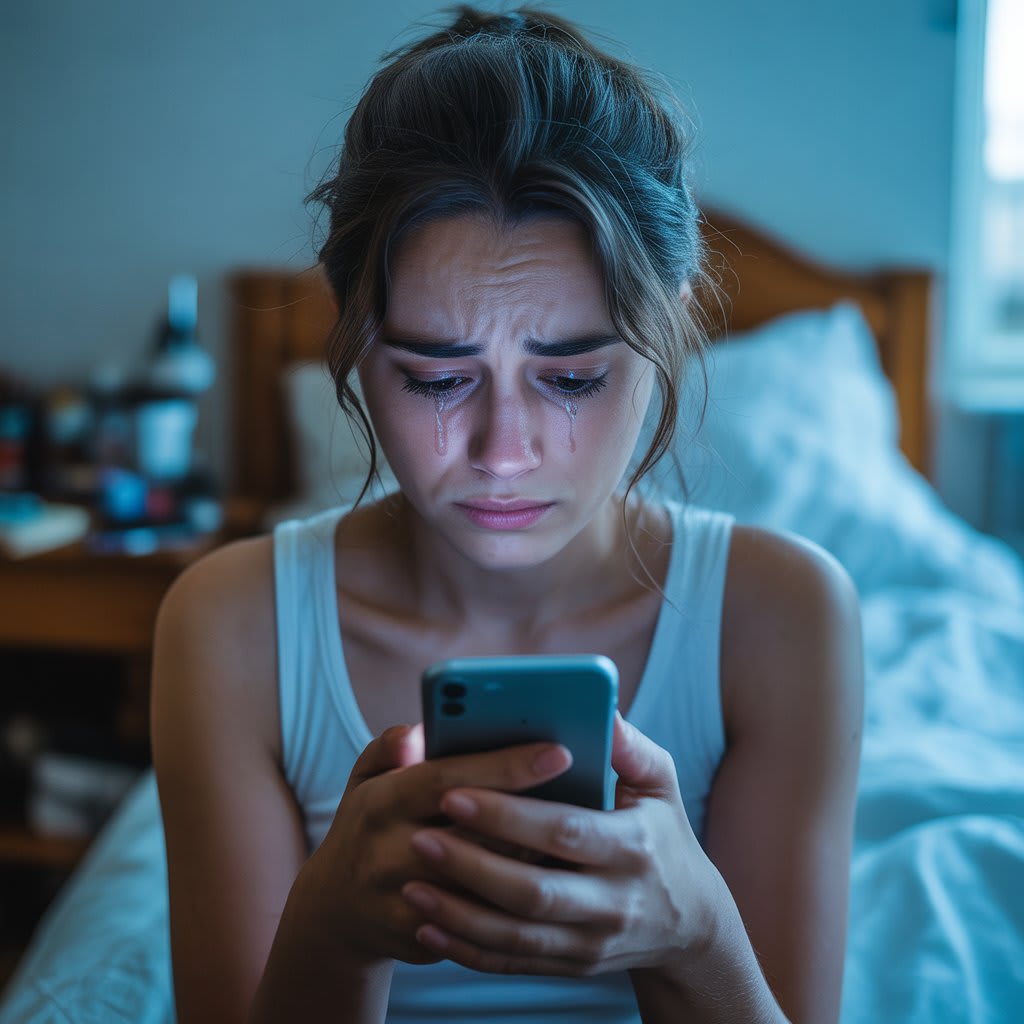
In an age dominated by filtered photos, curated lifestyles, and influencer culture, the pursuit of perfection has found a new breeding ground — Instagram. Once a simple photo-sharing platform, Instagram has evolved into a global stage where people present the best versions of themselves to an audience of friends, strangers, and followers. While it can be a place of creativity, inspiration, and connection, it has also become a source of anxiety, comparison, and immense pressure to be perfect. This essay explores the social, psychological, and cultural effects of Instagram’s perfection culture, its impact on identity and mental health, and what we can do to reclaim authenticity in the digital world.
The Rise of the “Perfect” Life Online
Instagram began as a fun app for sharing moments. But as it grew, so did the expectations. Beautiful vacation photos, flawless selfies, luxury fashion hauls, and hyper-organized aesthetic routines began dominating feeds. Influencers and everyday users alike started curating their lives with such precision that the line between reality and performance blurred. Likes, comments, and shares turned into validation metrics. Over time, being "real" on Instagram meant being perfectly imperfect — but still photogenic, poetic, and branded.
What we see is often a highlight reel, not the full story. Behind every “candid” shot may be 50 takes, precise lighting, and digital touch-ups. Yet viewers often compare their unfiltered reality to these curated snapshots. This constant comparison creates the illusion that everyone else is living a better, more beautiful life — and that perfection is both possible and expected.
The Psychology of Perfectionism and Comparison
Perfectionism isn’t new. But Instagram intensifies it. Psychologically, perfectionism involves striving for flawlessness, setting unrealistically high standards, and being overly critical of oneself. On Instagram, perfectionism is not only internal but also socially reinforced. When likes and praise are given to polished content, it reinforces the belief that only perfection is valued and visible.
Social comparison theory, developed by psychologist Leon Festinger, suggests that we evaluate ourselves based on comparisons to others. Instagram makes these comparisons constant and global. You’re no longer comparing yourself just to classmates or neighbors — you’re measuring yourself against celebrities, influencers, fitness models, and strangers with seemingly perfect lives. This breeds dissatisfaction, low self-esteem, anxiety, and even depression.
Impact on Self-Image and Identity
Young people, especially teenagers, are particularly vulnerable. Their identities are still forming, and social validation plays a key role in shaping self-worth. When their worth is tied to likes, followers, or aesthetic appeal, their self-image becomes unstable and externally dependent.
Body image is a major area of concern. Instagram is flooded with idealized beauty standards — slim waists, flawless skin, glowing tans, hourglass figures, and gym-toned bodies. Many of these images are digitally altered or the result of extreme diets, cosmetic procedures, and even surgeries. Yet they are presented as “normal” or “natural.” This leads to increased body dissatisfaction, eating disorders, and mental health struggles, especially among young girls.
It’s not just about bodies, though. The pressure to have the perfect relationship, career, wardrobe, home, and even morning routine creates a sense that nothing is ever enough. People start performing success instead of pursuing authentic joy.
Influencer Culture: Aspirational or Toxic?
Influencers have a powerful role in this culture. Many present their lives as effortless, fun, and financially abundant. Their feeds are filled with brand deals, exotic travel, and picture-perfect moments. While some influencers use their platforms to promote positivity, transparency, and mental health awareness, many still perpetuate a perfectionist ideal that feels unattainable.
There’s a fine line between aspiration and toxicity. It’s one thing to be inspired by someone’s creativity, fashion, or lifestyle. But when that inspiration turns into self-criticism or envy, the effect is damaging. What’s worse, many influencers hide the reality behind the scenes: the stress, burnout, staged moments, and mental health issues that come with maintaining an online persona.
The Rise of Digital Burnout
The pressure to post regularly, maintain an aesthetic, and “keep up” with trends has led to digital fatigue. Creators and casual users alike experience burnout from constantly producing content, chasing engagement, and managing online personas. This pressure can lead to anxiety, sleep issues, and a distorted sense of reality.
Ironically, the more people try to perfect their online image, the more disconnected they feel from themselves. They start living through the lens — planning their lives around what looks good on camera rather than what feels good in real life. The joy of a moment gets overshadowed by the need to document and perform it.
Mental Health and Instagram: A Troubling Link
Research has increasingly pointed to a connection between Instagram use and mental health issues. A study by the Royal Society for Public Health in the UK found that Instagram was the worst social media platform for young people's mental health, linked to anxiety, depression, loneliness, and body image concerns.
The platform's design amplifies these effects. Features like Explore, Reels, and suggested posts keep users in a loop of curated content, often from people they don’t know but still compare themselves to. The algorithm pushes posts that perform well — often those that are visually striking or emotionally charged — reinforcing narrow standards of success, beauty, and happiness.
Faking It for the Feed
An often-overlooked aspect of Instagram perfection is the performative nature of online happiness. Many people feel pressure to appear happy, even when they’re struggling. The result is emotional dishonesty — smiling through pain, posting vacation photos during grief, pretending to thrive while internally breaking.
This culture of forced positivity can be isolating. People feel alone in their struggles because everyone else seems fine — even though many are faking it too. It creates a toxic feedback loop where no one feels safe being real, because everyone is pretending to be okay.
Authenticity vs. Aesthetic: Can They Coexist?
In recent years, there’s been a push for authenticity. Influencers are starting to post unfiltered photos, talk about mental health, and share behind-the-scenes realities. Movements like #realme, #nofilter, and #bodypositivity aim to shift the narrative. Yet even authenticity can become curated — another aesthetic to manage. A messy bun, minimal makeup, and emotional captions can still be strategically crafted for engagement.
So, can authenticity really exist on a platform built on visuals, validation, and branding? It’s possible — but difficult. It requires conscious effort to prioritize truth over appearance, vulnerability over perfection, and connection over performance.
What Can We Do? Steps Toward Digital Well-Being
Be Aware of the Illusion
Remind yourself that Instagram is not real life. Even the most authentic-seeming posts are often curated. Don’t compare your behind-the-scenes to someone else’s highlight reel.
Limit Your Time
Take regular breaks. Set screen time limits. Unplug when you need to reconnect with yourself and the real world.
Curate Your Feed Intentionally
Follow people who uplift you, make you laugh, or share content that aligns with your values. Unfollow or mute accounts that make you feel inadequate or anxious.
Engage Mindfully
Don’t post for validation. Share what feels meaningful, not just what looks good. Be honest about your life — you may help others feel less alone.
Talk About It
Normalize conversations about Instagram pressure with friends, especially young users. Validate their feelings and encourage healthy online habits.
Conclusion: Reclaiming Ourselves Beyond the Feed
The pressure to be perfect in the age of Instagram is real, but it’s also possible to resist it. We don’t have to be flawless to be worthy. Our value isn’t in our likes, our filters, or our follower count — it’s in our humanity. Flaws, failures, and all.
Instagram can be a tool for expression, creativity, and connection. But to use it well, we must stay grounded in who we are beyond the screen. That means embracing imperfection, choosing real over perfect, and remembering that life’s best moments are often the ones we don’t post.
In a world obsessed with appearing perfect, choosing to be real is a radical act. And it might just be the most powerful post you ever make.
About the Creator
Keep reading
More stories from Aiman Shahid and writers in Families and other communities.
How I Beat Procrastination and Transformed My Daily Routine
For years, procrastination ruled my life. It crept into every corner of my day, disguising itself as harmless breaks, creative thinking, or “waiting for the right time.” I told myself I worked better under pressure. I justified my inaction with the illusion of perfectionism. But beneath all those excuses was a pattern of avoidance, stress, and missed opportunities.
By Aiman Shahid6 months ago in Families
Wise~Guys
— Look Behind what's in Front of You ~ Make Good Choices — Hey, So how you Doin'..! Made~Men — Mobster Movies romanticise a distinctive, elegant appearance, impeccable attire style, along with the 'Families' expressive lingo. Making their 'Bones' gave them Panache — with vintage fedoras, tailored pin-striped suits, mirror-polished wing-tip shoes adorned with tassels; with their 'Gun Moll' gorgeous dates on their arms.
By Jay Kantor18 days ago in Families
Why Are Teachers Leaving Education?
As someone who is new to teaching, I will not sit here and pretend to fully understand everything veteran teachers have endured over the years. I do not yet have decades of experience to draw from. However, I can speak honestly about what I have observed in my year and a half in the classroom, and what I have learned in that short time is both eye opening and concerning. Teaching today is no longer just about teaching content. It has evolved into a profession that often requires educators to act as the judge, the juror, and the executioner, so to speak, all while being expected to maintain patience, professionalism, and compassion at every turn.
By Kimberly Nightengalea day ago in Families




Comments
There are no comments for this story
Be the first to respond and start the conversation.