
The Letter I Found in My Grandfather’s Attic Changed Everything
Buried under decades of dust was a truth that would reshape my family’s story—and my place in it.
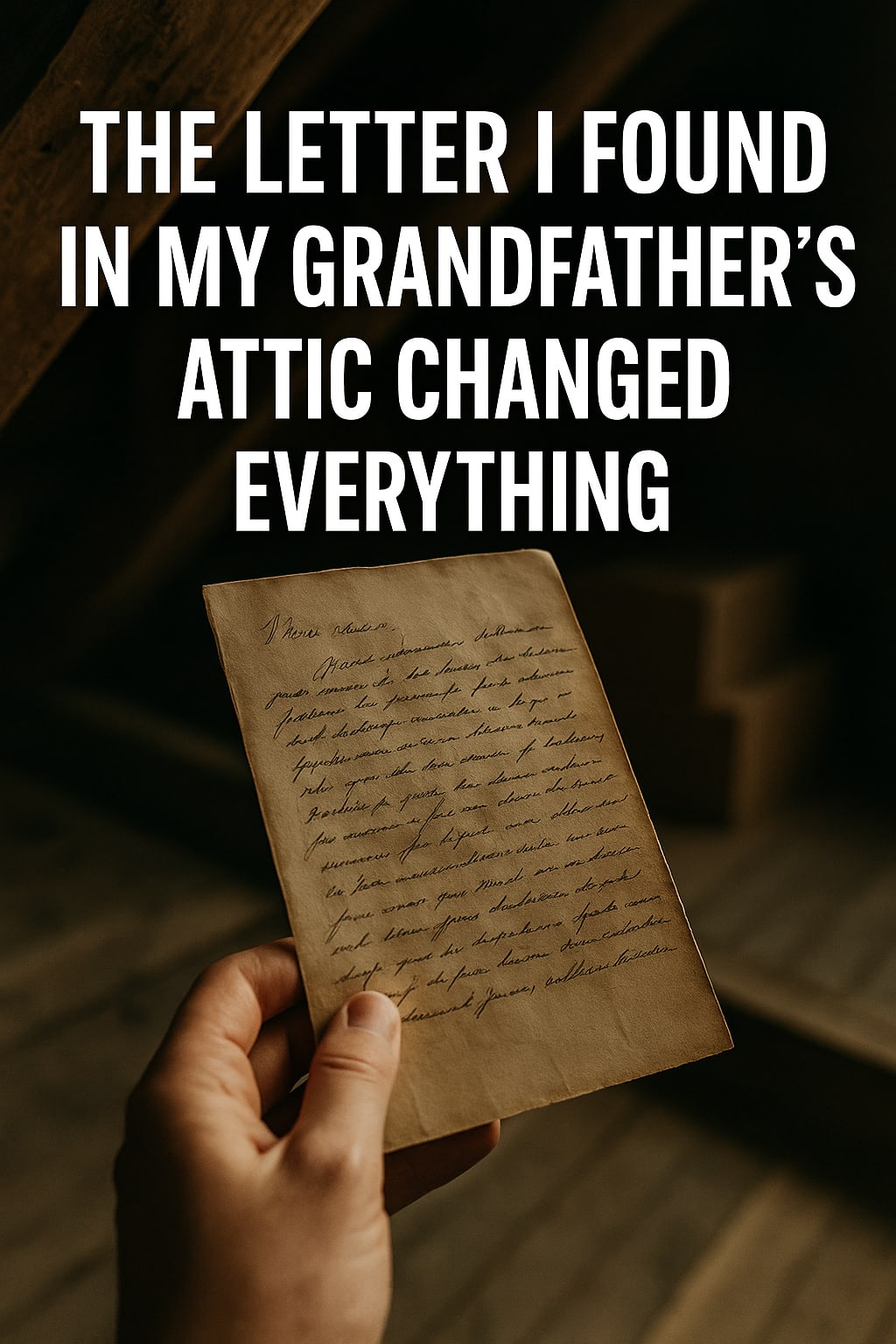
It started with a simple chore. My mother had asked me to help clean out my grandfather’s attic after his passing. The house had been in our family for generations, a creaky old place filled with the kind of mystery only time can create. I wasn’t expecting to find anything remarkable—maybe a few photo albums, old books, forgotten trinkets. Certainly not a letter that would make me question everything I knew about my family.
The attic smelled like dust and history. Sunlight filtered through a cracked window, casting long, golden rays across old furniture covered in white sheets. I wandered slowly, picking up objects, letting memories form around them. A tin box caught my attention—rusted, heavy, and oddly out of place among the other dusty antiques.
Inside, I found a stack of letters bound with a red ribbon. The top one was addressed in faded ink: To my son, if you ever wonder who I really was.
My heart thudded. I wasn’t sure who had written it, but something about the handwriting looked familiar.
I sat down and unfolded the brittle paper.
The letter was written by my great-grandfather, Edward, who had died long before I was born. He wrote about his youth during the war, not the stories we had heard over family dinners. These were different—darker, more honest. He described fleeing from a battlefield, not in cowardice, but in refusal to fight a war he didn’t believe in. He had deserted his post and spent a year hiding in rural France, living with a woman named Claire.
Claire had a child. His child.
That child was not my grandfather, or so I thought.
My hands shook as I read. Edward had returned home after the war, leaving Claire and the baby behind. He carried the guilt for the rest of his life. But the twist? That child—his first son—had eventually found him. That son was my grandfather.
Not the man I had grown up calling Grandpa.
The man I thought was my great-grandfather had adopted another man’s son as his own, and no one ever told the truth. I was stunned. This wasn’t just family gossip—this was history, identity, lineage.
I couldn’t breathe. I reread the letter twice, then three times. A flood of questions rushed in. Did my mother know? Did anyone?
I read through the rest of the letters. Edward had written one every year for a decade, hoping someday someone would understand. He never mailed them, but he kept them all together, tucked away in that attic.
That night, I sat with my mother and showed her the letters. Her face went pale as she read the first one. Then tears. She had never known. Her father—my grandfather—had apparently found out late in life and never spoke of it.
We spent hours talking about what it meant. Did it change anything? Did it make our memories less real? Or did it make them more human, more flawed, and more precious?
In the weeks that followed, I couldn’t stop thinking about Claire and the child Edward left behind. I began researching. Through old records, social media, and some incredible luck, I found a family in France that matched the timeline. I reached out gently, carefully.
A woman named Marianne replied. She was Claire’s granddaughter. And yes—her family knew about Edward. They had letters, too.
A month later, I flew to France.
Meeting Marianne was like looking into a mirror from another life. We laughed, we cried, and we filled in the missing pieces of a story buried for decades. She showed me photos of Edward as a young man, holding Claire’s hand in a field of sunflowers. I had never seen him smile like that.
We stood in that same field, now grown over, and I felt something shift inside me. I wasn’t just one thing. I was the product of two legacies, two loves, two choices made long ago.
I brought the letters back home and had them preserved. One day, I’ll pass them down.
Because our history doesn’t begin where we think. It begins in forgotten boxes, in words never spoken aloud, in truths hidden under dust and time.
About the Creator
Keep reading
More stories from Inamullah Afridi and writers in Families and other communities.
The Coffee Shop That Gave Me the Confidence to Start Over
It was the smell that pulled me in. Warm espresso. Freshly baked pastries. The gentle hum of people talking, laughing, living. I had passed this tiny coffee shop dozens of times but never stepped inside. That day, after the worst job interview of my life, I wandered in without thinking. I just needed a seat and something to warm my hands.
By Inamullah Afridi10 months ago in Motivation
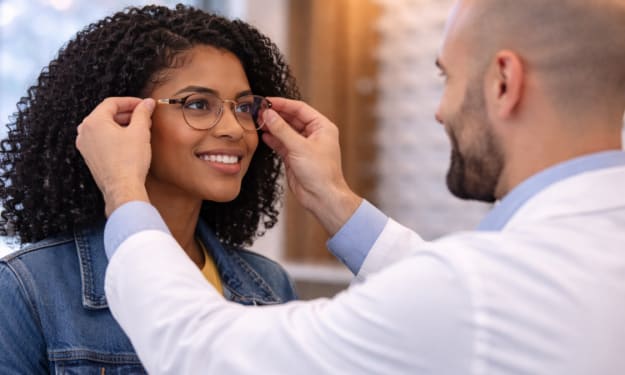
How to Fix Loose or Crooked Glasses Frames?
Eyeglasses are designed to improve your vision and make daily activities more comfortable. However, over time, glasses frames can become loose, bent, or misaligned. If your glasses constantly slide down your nose or feel uneven on your face, it may be a sign that your frames need adjustment or minor repair.
By Parham Optical6 days ago in Families


Comments
There are no comments for this story
Be the first to respond and start the conversation.