
The Importance of Physical Touch in Supporting Residents
Exploring the Vital Role of Touch in Enhancing Emotional Well-being and Connection for Residents Living with Dementia

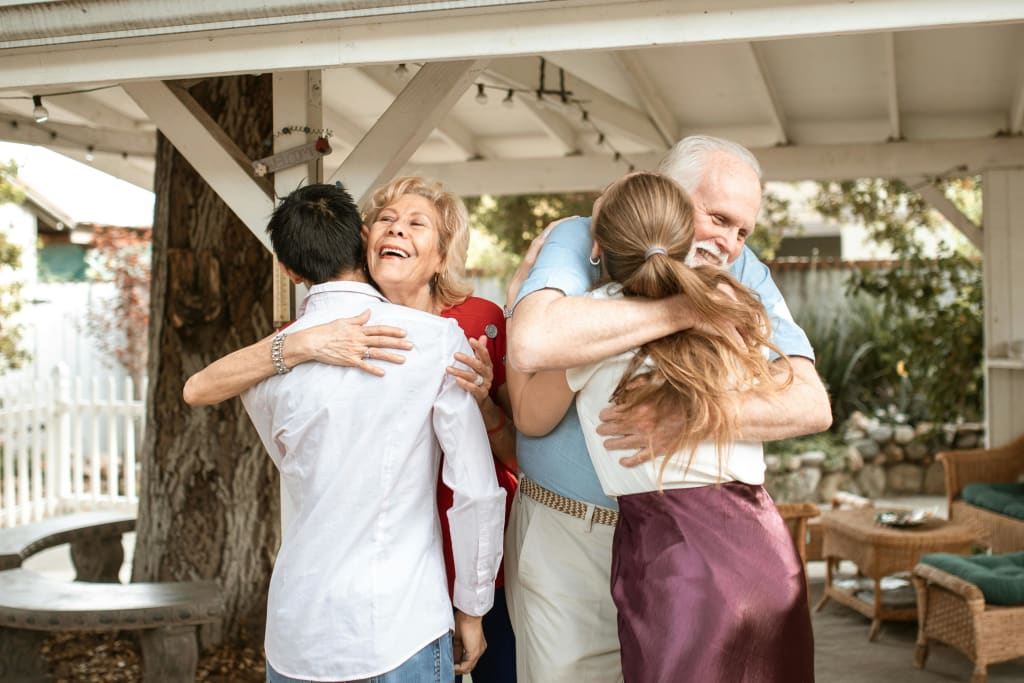
In aged care, the importance of physical touch is immense. For many residents, especially those living with dementia, physical contact is more than just comforting; it’s essential for their emotional and psychological health. In a time when many experience loneliness, simple acts like holding hands, giving gentle hugs, or offering a reassuring pat on the back can truly brighten their day. This blog looks at how vital physical touch is in supporting residents, particularly those in dementia care, and discusses its benefits, best practices, and the science behind it.
Understanding the Impact of Physical Touch
Physical touch plays a crucial role in how we connect. It expresses our feelings, shows affection, and helps build relationships. When it comes to caring for residents, particularly those with cognitive impairments, physical touch can be significant. Here are some of the key ways it can make a difference:
- Emotional Connection: Touch can create a bond between residents and caregivers, making individuals feel valued and understood.
- Reduction of Anxiety and Stress: Studies show that physical touch can lower cortisol levels, the hormone associated with stress, leading to a calmer state of mind.
- Enhanced Communication: For individuals with dementia, verbal communication may become challenging. Touch can serve as a non-verbal form of communication, expressing feelings and intentions when words fail.
- Improved Quality of Life: A simple touch can significantly enhance a resident's quality of life, promoting feelings of safety, comfort, and companionship.
The Power of Hand-Holding and Hugs
Among the various forms of physical touch, hand-holding and hugs are particularly impactful for individuals living with dementia. These gestures offer not only physical comfort but also emotional reassurance.
- Hand-Holding:
Holding hands is a simple yet profound way to connect. This action can evoke feelings of security and warmth. For someone living with dementia, the familiar sensation of another's hand can trigger positive memories and provide a sense of grounding. It creates an immediate connection, allowing the resident to feel understood and cared for in a tangible way.
- Hugs:
A gentle hug can be incredibly soothing. Hugs release oxytocin, often referred to as the “love hormone,” which promotes feelings of happiness and reduces stress. For individuals with dementia, a hug can signify affection and support, reinforcing their sense of belonging and connection. Moreover, the act of hugging can help alleviate feelings of confusion and anxiety, providing a moment of calm in an otherwise overwhelming world.
Emotional Benefits of Touch
Understanding the emotional benefits of hand-holding and hugs in the context of dementia care is vital for enhancing the quality of life for residents. Here are some key advantages:
Comfort and Reassurance
Physical touch provides comfort during moments of confusion or distress. A gentle hand on the shoulder or a warm embrace can help residents feel safe and secure. This emotional support is crucial, especially when verbal communication becomes challenging.
Social Interaction
Engaging in physical touch encourages social interaction. Simple actions like holding hands during activities can foster companionship and reduce feelings of isolation. These connections are vital for emotional health, reinforcing the sense of community among residents.
Memory Stimulation
For someone living with dementia, familiar touches can trigger positive memories. For instance, a family member’s touch may evoke memories of care and love, providing emotional solace. This can be particularly beneficial during moments of agitation or confusion.
Enhanced Physical Well-being
Regular physical touch has been linked to improved health outcomes. It can enhance circulation, lower blood pressure, and promote overall physical health, which is particularly important for residents with complex health needs.
Support for Communication
Physical touch can facilitate communication when verbal skills decline. A caregiver's gentle touch can signal attention and care, allowing for a more profound connection. This form of non-verbal communication can express empathy and understanding, helping to bridge the gap that dementia may create.
Best Practices for Incorporating Touch in Care
To effectively incorporate physical touch into care routines, caregivers should consider the following best practices:
Respect Personal Space
Always be mindful of personal boundaries. Not all residents may be comfortable with physical touch, so it’s essential to approach them gently and respect their wishes.
Observe Non-Verbal Cues
Pay attention to the resident’s body language. Positive reactions, such as smiling or leaning in, indicate comfort with touch. Conversely, withdrawal or flinching may signal discomfort.
Personalised Approaches
Understand each resident's history and preferences. Some individuals may enjoy hand-holding, while others may prefer a light touch on the arm. Tailoring your approach to individual needs fosters a more meaningful connection.
Integrate Touch into Daily Activities
Incorporate touch during daily routines, such as while eating, reading, or participating in activities. This natural integration can enhance the overall experience and strengthen bonds.
The Role of Family and Friends
Family and friends also play a crucial role in the physical touch experience for residents. Encouraging loved ones to engage in gentle touch can provide residents with a sense of belonging and emotional security.
Family Involvement
Families should be encouraged to visit regularly and engage in physical touch. Activities like holding hands, hugging, or even light massages can help strengthen family bonds and improve the resident’s mood.
Educating Families
Educate family members about the importance of touch. By understanding its benefits, families can feel more empowered to engage in comforting touch during visits.
Challenges and Considerations
While the benefits of physical touch are evident, there are challenges that caregivers must navigate. These include:
Cultural Differences
Touch is perceived differently across cultures. Be sensitive to these differences and adapt your approach accordingly.
Cognitive Changes
Residents with advanced dementia may exhibit behaviours that make physical touch challenging. In these instances, caregivers should focus on gentle, non-invasive forms of touch.
Consent and Comfort
Always seek consent when initiating touch. Some residents may have past traumas or discomfort with physical contact, making it crucial to approach the subject with sensitivity.
Conclusion: The Heart of Care
In conclusion, physical touch plays a crucial role in supporting residents, especially those living with dementia. A simple touch can express love, bring comfort, and help them feel like they belong. By recognising how important this is and making it part of daily care, caregivers can really improve the quality of life for these individuals, showing them they are valued and cared for.
Physical touch goes beyond just a gesture; it's an essential part of compassionate care. As we work to create spaces where residents feel safe, loved, and involved, let’s keep in mind that sometimes a simple touch can mean so much—it can truly brighten someone’s day.
About the Creator
Jocelyn N
I'm Jocelyn, an SEO Outreach Specialist who loves connecting with others through writing. As a freelancer and mom, I balance my professional pursuits with family life while sharing my clients' stories and expertise with a wider audience.
St. Patrick's Day
When I was a child, I really thought our family was Irish. We always celebrated St. Patrick's Day with a chocolate cake with green frosting, and it was pretty common to wear green and to have corned beef, cabbage, and boiled potatoes for dinner that day.
By Denise E Lindquist3 days ago in Families
He Loved Her Loudly but Suffered Quietly
Subtopics: The Burden of Being the Reliable Man When Love Feels Like Performance The Fear of Looking Weak Silent Competition in Modern Relationships Emotional Exhaustion Behind Masculine Pride Learning to Be Seen, Not Just Needed Redefining What It Means to Lead in Love
By Benjamin Patricka day ago in Families




Comments