
The Importance of Compromise in Relationships: Finding Common Ground
Discover Effective Strategies to Navigate Differences and Strengthen Your Connection with Your Partner.


In any relationship, compromise is a fundamental element that helps partners navigate differences, enhance understanding, and foster a deeper connection. While it can sometimes feel challenging, learning to compromise effectively is essential for maintaining a healthy and fulfilling partnership. This article will explore the significance of compromise, its benefits, and practical strategies for finding common ground.
Why Compromise Matters in Relationships
1. Fosters Mutual Respect
Compromise is rooted in respect for each other’s feelings and needs. When partners are willing to meet halfway, it demonstrates that they value each other’s perspectives, leading to a stronger emotional bond.
2. Enhances Communication
The process of compromising encourages open dialogue. Discussing differing viewpoints allows partners to express their needs, fostering better communication skills and understanding.
3. Builds Trust
When couples consistently engage in compromise, it builds trust. Knowing that both partners are willing to make sacrifices for each other creates a sense of security within the relationship.
4. Promotes Problem-Solving Skills
Compromise encourages couples to work together to find solutions. This collaborative approach not only resolves conflicts but also enhances problem-solving abilities, which can be beneficial in all areas of life.
5. Strengthens the Relationship
Ultimately, compromise leads to a more resilient relationship. By navigating disagreements together, couples can emerge stronger and more connected, ready to face future challenges.

Common Areas Where Compromise is Needed
1. Financial Decisions
Money is often a source of conflict in relationships. Couples may have different spending habits or financial priorities. Compromise in this area might involve creating a budget that accommodates both partners' needs.
2. Household Responsibilities
Disagreements about chores and responsibilities can lead to tension. Finding a fair division of tasks, where both partners feel their contributions are valued, is essential for harmony.
3. Social Life and Activities
Partners may have different preferences for social activities or how to spend their free time. Compromise involves finding a balance that allows both partners to enjoy their interests while also participating in shared activities.
4. Future Goals and Aspirations
Couples may have differing visions for their future, such as career paths, family planning, or lifestyle choices. Open discussions about these goals can help partners find common ground and align their aspirations.

Strategies for Effective Compromise
1. Practice Active Listening
What is Active Listening?
Active listening means fully engaging with your partner during discussions. It involves not only hearing their words but also understanding their feelings and perspectives.
How to Practice Active Listening:
Maintain Eye Contact: Show your partner that you are focused and engaged.
Use Affirmative Gestures: Nod and provide verbal affirmations to encourage them.
Reflect Back: Paraphrase what they’ve said to ensure understanding.
2. Communicate Openly and Honestly
The Importance of Honesty
Open communication is crucial for effective compromise. Both partners should feel safe expressing their thoughts and feelings without fear of judgment.
Tips for Honest Communication:
Share Your Needs: Clearly articulate what you want and why it matters to you.
Be Respectful: Approach discussions with kindness, even when disagreements arise.
Avoid Accusations: Focus on the issue at hand rather than placing blame.

3. Identify Common Goals
Finding Shared Interests
Before negotiating, identify what both partners want to achieve. Understanding each other's priorities can help guide the conversation toward mutually beneficial solutions.
Steps to Identify Common Goals:
Discuss Your Values: Talk about what is most important to each of you.
Find Overlaps: Look for areas where your goals align, even if the specifics differ.
Set Shared Objectives: Agree on a common goal to work toward during discussions.
4. Be Willing to Flexibility
The Need for Flexibility
Compromise often requires both partners to be flexible. This doesn’t mean sacrificing essential values but being open to alternative solutions.
How to Cultivate Flexibility:
Consider Alternatives: Be open to suggestions that you may not have initially considered.
Adjust Expectations: Recognize that you may not get everything you want, but a satisfactory middle ground is possible.
Stay Positive: Focus on the benefits of finding a solution rather than dwelling on sacrifices.
5. Establish Ground Rules for Discussions
Creating a Safe Space
Setting ground rules for discussions can help maintain a respectful and productive environment. This ensures that both partners feel safe to express their thoughts.
Suggested Ground Rules:
No Interruptions: Allow each person to speak without being interrupted.
Stay on Topic: Focus on the issue at hand rather than bringing up unrelated grievances.
Take Breaks if Needed: If emotions run high, agree to take a timeout before continuing the discussion.

6. Use “I” Statements
The Power of “I” Statements
Using “I” statements helps you express your feelings without placing blame, reducing defensiveness and fostering a more constructive dialogue.
Examples of “I” Statements:
Instead of saying, “You never listen to me,” try, “I feel unheard when my thoughts aren’t acknowledged.”
Replace, “You always want to do things your way,” with, “I feel frustrated when my preferences are overlooked.”
7. Be Patient and Understanding
Cultivating Patience
Compromise can take time and effort. Being patient with each other throughout the process is vital for reaching an agreement.
Tips for Being Patient:
Give Each Other Space: Allow time for both partners to process their thoughts.
Acknowledge Emotions: Recognize that feelings may run high and be empathetic toward each other’s emotions.
Celebrate Small Wins: Acknowledge progress, even if it’s incremental.
8. Revisit and Reflect
The Importance of Reflection
After reaching a compromise, take time to reflect on the process. Discuss what worked well and what could be improved for future situations.
Questions for Reflection:
What strategies helped us reach an agreement?
Were there moments of tension that could be handled differently?
How can we enhance our compromise skills moving forward?

The Long-Term Benefits of Compromise
1. Stronger Relationships
Couples who practice compromise regularly tend to have stronger, more resilient relationships. This foundation of trust and understanding enhances overall satisfaction.
2. Improved Conflict Resolution Skills
As partners learn to navigate disagreements through compromise, they become more skilled at resolving conflicts in other areas of their lives.
3. Greater Emotional Intelligence
Compromise fosters emotional awareness and empathy. Partners learn to recognize their feelings and those of their partner, leading to healthier interactions.
4. Increased Relationship Satisfaction
When both partners feel heard and valued, relationship satisfaction increases. Compromise ensures that both individuals’ needs are met, enhancing overall happiness.
Conclusion
Compromise is an essential skill for maintaining healthy and fulfilling relationships. By fostering mutual respect, enhancing communication, and promoting understanding, partners can navigate challenges effectively. Embracing compromise not only strengthens the bond between individuals but also fosters personal growth and emotional intelligence.
Key Takeaways
Foster Mutual Respect: Value each other’s perspectives to enhance the relationship.
Practice Active Listening: Engage fully to understand your partner’s feelings.
Identify Common Goals: Find shared interests to guide discussions.
Be Flexible and Patient: Embrace compromise as a process that requires time and effort.
By incorporating these strategies, couples can improve their ability to compromise, leading to a more harmonious and loving relationship.
References:
1- https://tinyurl.com/2mvb957e
2- https://tinyurl.com/exb5fw6u
Special Thanks Note
I would like to extend my heartfelt thanks to Unsplash for providing such an incredible collection of high-quality images that enhanced this article. Your platform has made it easy for creators like me to find stunning visuals that perfectly complement our work. The generosity of talented photographers sharing their art helps inspire and elevate content, making it more engaging for readers. Thank you, Unsplash, for your invaluable contribution to the creative community!
About the Creator
Abdul Jamil Nasir
Hello! I’m Abdul Jamil Nasir, a passionate writer exploring life, love, and culture. I focus on relationships, personal growth, and human emotions, believing in the power of words to inspire and connect with readers.
Keep reading
More stories from Abdul Jamil Nasir and writers in Families and other communities.
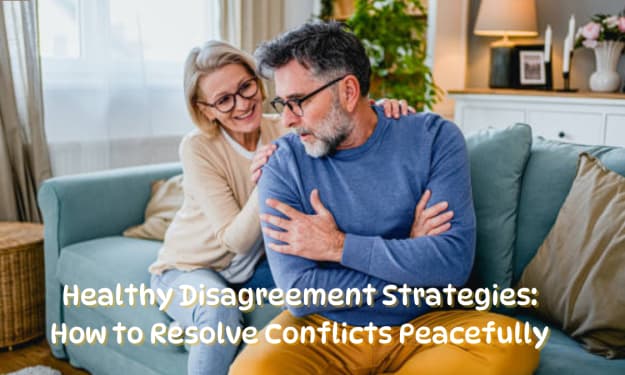
Healthy Disagreement Strategies: How to Resolve Conflicts Peacefully
Conflict is an inevitable part of any relationship, whether romantic, familial, or professional. However, how we handle disagreements can make all the difference in maintaining healthy relationships. Learning healthy disagreement strategies can help couples, friends, and colleagues navigate conflicts peacefully and constructively. This article will explore effective strategies for resolving conflicts, fostering understanding, and promoting emotional well-being.
By Abdul Jamil Nasirabout a year ago in Families
Carlton Jama Adams: Building Stronger Families Through Healthy Parenting Strategies
Professor Carlton Jama Adams is a licensed clinical psychologist and a professor of psychology who has dedicated much of his professional life to understanding how families grow, communicate, and overcome challenges together. His work focuses on healthy parenting strategies and the ways in which emotional awareness can strengthen relationships within the home. As an educator, he teaches courses on masculinities, human services and community justice, Africana intellectual thought, and the psychology of oppression and liberation. He has also worked extensively with individuals involved in the criminal justice system and has consulted with international, national, and community based organizations on leadership strategy and executive coaching. Through both his teaching and consulting work, Carlton Jama Adams has developed a perspective on family life that highlights the importance of communication, emotional safety, and consistent guidance in raising resilient children.
By Carlton Adams3 days ago in Families
Thief In The Night
To the thief in the night that took and replicated what once was mine: Honestly, I feel kind of bad for you. It’s funny, because we hardly know each other. I only know of you through the magazines you’ve written and the broadcasts you have televised in the past — as well as through the public mentions of you from your show business connections there.
By Snarky Lisa8 days ago in Humans



Comments
There are no comments for this story
Be the first to respond and start the conversation.