
Healthy Disagreement Strategies: How to Resolve Conflicts Peacefully
Discover Effective Techniques for Navigating Disagreements and Strengthening Your Relationships

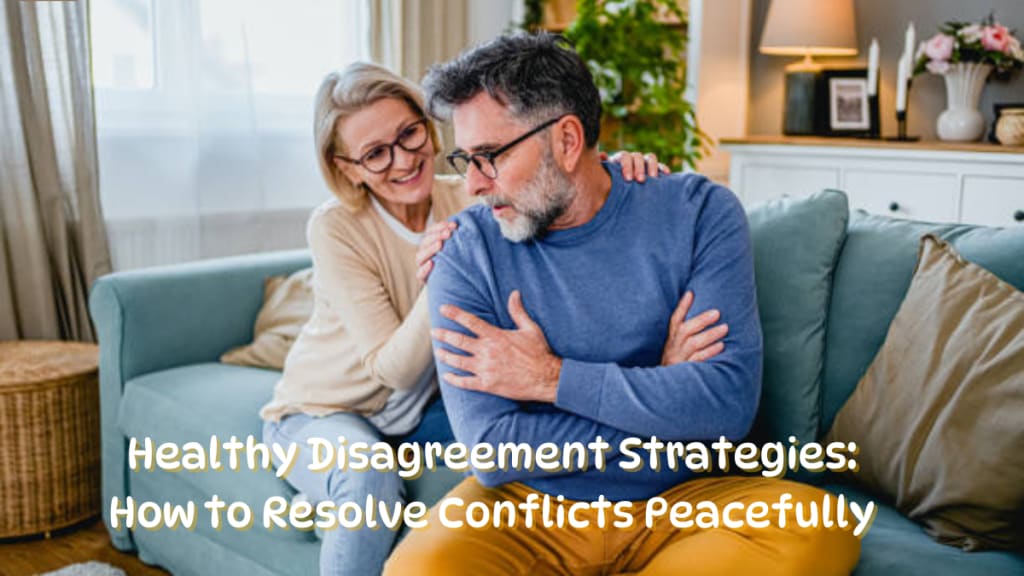
Conflict is an inevitable part of any relationship, whether romantic, familial, or professional. However, how we handle disagreements can make all the difference in maintaining healthy relationships. Learning healthy disagreement strategies can help couples, friends, and colleagues navigate conflicts peacefully and constructively. This article will explore effective strategies for resolving conflicts, fostering understanding, and promoting emotional well-being.
Why Healthy Disagreement Matters
1. Promotes Understanding
Healthy disagreements encourage open dialogue, allowing individuals to express their feelings and viewpoints. This exchange fosters understanding and reduces the likelihood of misunderstandings.
2. Strengthens Relationships
When conflicts are resolved peacefully, it builds trust and strengthens the emotional bond between individuals. Navigating disagreements together can enhance intimacy and connection.
3. Encourages Personal Growth
Facing conflicts in a healthy manner encourages self-reflection and personal growth. Individuals learn to manage their emotions, understand their triggers, and improve their communication skills.
4. Prevents Resentment
Addressing issues promptly and constructively prevents resentment from building up over time. Unresolved conflicts can lead to long-term damage in relationships, while healthy disagreements allow for resolution and healing.

Common Causes of Conflict
1. Miscommunication
Misunderstandings often arise from poor communication. When individuals do not express their thoughts and feelings clearly, it can lead to confusion and conflict.
2. Different Values and Beliefs
Differences in values, beliefs, and perspectives can lead to disagreements. Understanding these differences is key to navigating conflicts effectively.
3. Stress and External Pressures
Life stressors, such as work, family responsibilities, and financial worries, can heighten emotions and lead to conflicts. External pressures can distort how we communicate and respond to one another.
4. Unrealistic Expectations
Having unrealistic expectations of ourselves or others can lead to disappointment and conflict. It’s essential to recognize that everyone has different strengths and limitations.

Healthy Disagreement Strategies
1. Practice Active Listening
What is Active Listening?
Active listening involves fully engaging with your partner or colleague during a conversation. It requires focusing on what the other person is saying without interrupting or formulating your response while they speak.
How to Practice Active Listening:
Maintain Eye Contact: Show that you are engaged and interested in what the other person is saying.
Nod and Use Affirmative Gestures: Simple nods or verbal affirmations like “I see” can encourage the speaker.
Paraphrase and Reflect: After the other person has finished speaking, summarize what they said to ensure understanding. For example, “So what you’re saying is…”
2. Use “I” Statements
Expressing Yourself Without Blame
Using “I” statements helps you express your feelings without placing blame on the other person. This approach reduces defensiveness and promotes constructive dialogue.
Examples:
Instead of saying, “You never listen to me,” try, “I feel unheard when my concerns aren’t addressed.”
Replace, “You make me angry” with, “I feel upset when our plans change unexpectedly.”

3. Choose the Right Time and Place
Setting Matters
The timing and environment of a conversation can significantly impact its outcome. Choose a calm and private setting for important discussions.
Tips for Choosing the Right Time:
Avoid Stressful Moments: Don’t initiate important discussions when either person is stressed or busy.
Set Aside Dedicated Time: Schedule regular check-ins to discuss feelings and concerns without distractions.
4. Stay Calm and Composed
Managing Emotions
During conflicts, it’s essential to manage your emotions. Staying calm allows for more productive discussions and reduces the likelihood of escalation.
Techniques for Staying Calm:
Take Deep Breaths: If you feel overwhelmed, pause and take deep breaths to regain composure.
Use a Timeout: If the conversation gets too heated, agree to take a break and revisit the discussion later.

5. Focus on the Issue, Not the Person
Problem-Solving Approach
When disagreements arise, focus on the specific issue rather than attacking the person. This approach encourages collaboration and reduces defensiveness.
How to Focus on the Issue:
Identify the Core Problem: Clearly define the issue at hand instead of resorting to personal attacks.
Collaborate on Solutions: Work together to brainstorm potential solutions that address the problem without placing blame.
6. Acknowledge and Validate Feelings
Importance of Validation
Recognizing and validating each other’s feelings is crucial during disagreements. It shows empathy and fosters a supportive environment.
How to Acknowledge Feelings:
Use Empathetic Statements: Phrases like “I understand that you feel this way” can help validate emotions.
Encourage Open Expression: Allow your partner to share their feelings openly without judgment.
7. Seek Common Ground
Finding Shared Interests
Look for areas of agreement or shared interests that can help bridge the gap between differing viewpoints. Finding common ground fosters collaboration and reduces tension.
How to Seek Common Ground:
Identify Shared Goals: Discuss what both parties want to achieve and work toward those goals collaboratively.
Compromise: Be willing to meet halfway and find solutions that satisfy both partners.

8. Establish Ground Rules for Disagreements
Creating a Safe Space
Setting ground rules for how to handle conflicts can create a safe environment for discussions. Establishing these rules helps ensure that disagreements are resolved respectfully.
Suggested Ground Rules:
No Interrupting: Allow each person to express their thoughts without interruption.
Avoid Personal Attacks: Focus on the issue at hand without resorting to hurtful comments.
Take Breaks if Needed: Allow for short breaks during heated discussions to cool down.
9. Apologize and Forgive
The Power of Apology
When you recognize that you’ve made a mistake, a sincere apology can go a long way in repairing relationships. Likewise, being open to forgiveness fosters healing.
How to Apologize Effectively:
Be Genuine: Acknowledge your mistake and express genuine remorse.
Take Responsibility: Avoid making excuses and take ownership of your actions.
10. Learn and Grow from Conflicts
Reflecting on Disagreements
After resolving a conflict, take time to reflect on the experience. Consider what worked well and what could be improved in future disagreements.
Questions for Reflection:
What did I learn about myself during this conflict?
How can I improve my communication skills for next time?
What strategies helped us resolve the issue?

The Long-Term Benefits of Healthy Disagreement Strategies
1. Stronger Relationships
Couples and friends who navigate disagreements healthily often experience stronger emotional bonds. The trust built during conflict resolution enhances overall relationship satisfaction.
2. Improved Communication Skills
Practicing healthy disagreement strategies leads to better communication skills. Individuals become more adept at expressing their feelings and understanding others.
3. Greater Emotional Intelligence
Handling conflicts constructively fosters emotional intelligence. Individuals learn to recognize and manage their emotions, leading to healthier interactions.
4. Reduced Stress and Anxiety
Addressing conflicts peacefully reduces stress and anxiety levels. Couples who communicate effectively are less likely to experience escalation and resentment.
Conclusion
Healthy disagreement strategies are essential for navigating conflicts peacefully and constructively. By practicing active listening, using “I” statements, and focusing on solutions, individuals can enhance their relationships and promote understanding. Remember that conflicts are a natural part of life, and how you handle them can significantly impact your connections. By embracing these strategies, you can foster healthier, more fulfilling relationships.
Key Takeaways
Practice Active Listening: Engage fully with your partner to foster deeper connections.
Use “I” Statements: Express your feelings without placing blame.
Stay Calm and Focused: Manage emotions to facilitate productive discussions.
Seek Common Ground: Look for shared interests to bridge differences.
By implementing these strategies, you can navigate disagreements with confidence, leading to stronger, more harmonious relationships.
References:
1- https://tinyurl.com/a4zdw6e4
2- https://tinyurl.com/3x4a2ypz
Special Thanks Note
I would like to extend my heartfelt thanks to Unsplash for providing such an incredible collection of high-quality images that enhanced this article. Your platform has made it easy for creators like me to find stunning visuals that perfectly complement our work. The generosity of talented photographers sharing their art helps inspire and elevate content, making it more engaging for readers. Thank you, Unsplash, for your invaluable contribution to the creative community!
About the Creator
Abdul Jamil Nasir
Hello! I’m Abdul Jamil Nasir, a passionate writer exploring life, love, and culture. I focus on relationships, personal growth, and human emotions, believing in the power of words to inspire and connect with readers.
Keep reading
More stories from Abdul Jamil Nasir and writers in Families and other communities.
Identifying Root Causes of Conflicts: A Guide for Couples
Conflict is a natural part of any relationship, but understanding its root causes is essential for resolving issues effectively. Identifying the underlying reasons for disagreements can help couples navigate challenges and strengthen their connection. In this comprehensive guide, we will explore common root causes of conflicts, how to identify them, and practical strategies for resolution.
By Abdul Jamil Nasirabout a year ago in Families
Wise~Guys
— Look Behind what's in Front of You ~ Make Good Choices — Hey, So how you Doin'..! Made~Men — Mobster Movies romanticise a distinctive, elegant appearance, impeccable attire style, along with the 'Families' expressive lingo. Making their 'Bones' gave them Panache — with vintage fedoras, tailored pin-striped suits, mirror-polished wing-tip shoes adorned with tassels; with their 'Gun Moll' gorgeous dates on their arms.
By Jay Kantor17 days ago in Families




Comments
There are no comments for this story
Be the first to respond and start the conversation.