
The Impact of Video Game Addiction on Students
Understanding the Pros, Cons, and Solutions

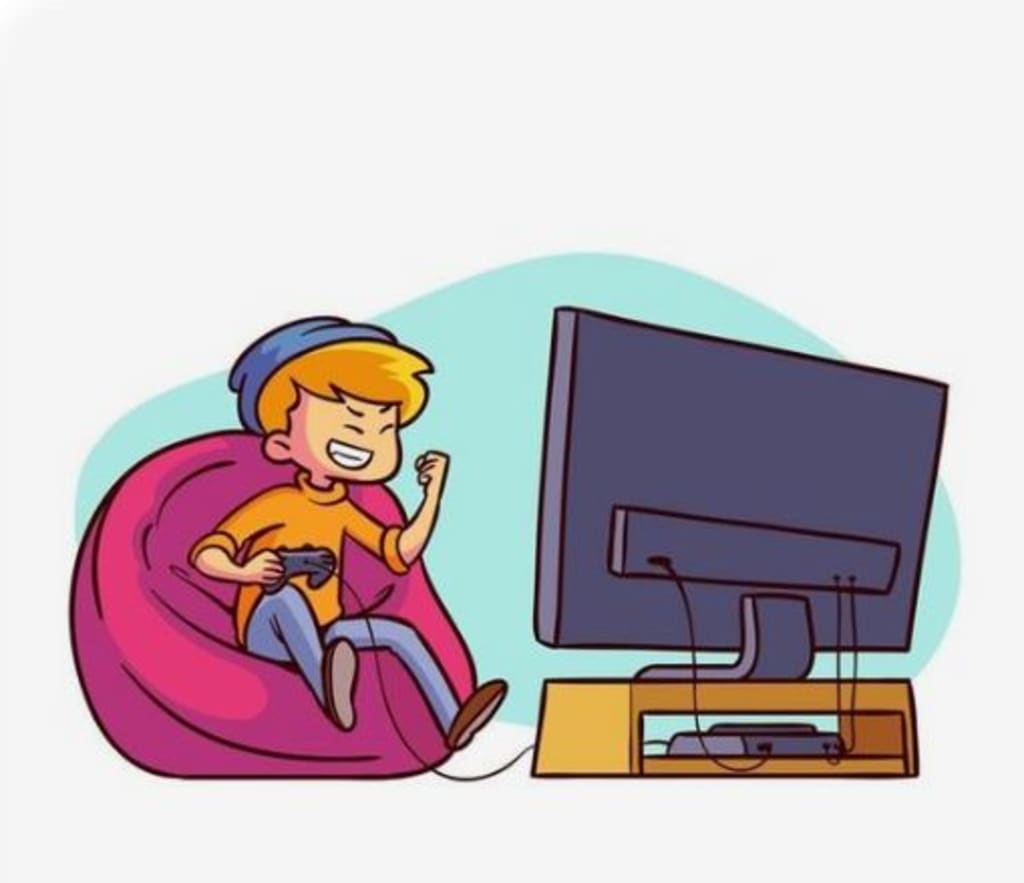
Video game addiction refers to a compulsive need to play video games despite the negative consequences it may have on an individual's life. In recent years, video games have become increasingly popular and accessible, making them a common source of entertainment for people of all ages. However, for some individuals, video gaming can become an addiction, leading to problems such as poor academic performance, decreased physical health, and decreased mental well-being. It's important to recognize the signs of video game addiction and seek help in order to overcome this challenge and establish a healthy balance in life.
Why students may get addicted to video games: several reasons exist
1.Escapism: Students may use video games as a means of escape from stress, anxiety, or other negative experiences in their lives.
2.Social connection: Some students may find a sense of belonging and community through online gaming, which can be particularly appealing for those who struggle with socializing in person.
3.Rewards and incentives: Video games often provide a constant stream of rewards and incentives, which can be addictive for some individuals.
4.Personal challenges: For some students, video games may represent a challenge that they enjoy overcoming, which can make gaming an enjoyable and rewarding experience.
5.Lack of other activities or interests: Students who do not have other hobbies or interests may turn to video games as a source of entertainment and stimulation.
It's important to note that video game addiction can impact individuals differently, and there may be other factors that contribute to the development of a gaming addiction in students.
Benefits of video game addiction: individuals may experience several
1.Excitement: Video games often provide a rush of adrenaline and excitement, which can be addicting for some people.
2.Stress relief: Gaming can be a way for individuals to relieve stress and relax after a long day.
3.Social connection: Online gaming can provide a sense of community and connection for some individuals, especially for those who struggle with socializing in person.
4.A sense of accomplishment: Video games often provide a sense of accomplishment when the player beats a difficult level or achieves a high score.
5.Escape from reality: For some individuals, video games can provide a temporary escape from reality and the opportunity to experience different worlds and scenarios.
However, it's important to note that while these benefits may be enjoyable, they can also lead to negative consequences if video game addiction is not addressed and managed properly.
Negative effects of video game addiction on students: several exist
1.Poor academic performance: Excessive gaming can lead to a reduction in time spent studying, which can result in lower grades and poor academic performance.
2.Decreased physical health: Spending excessive amounts of time sitting and playing video games can lead to physical health problems such as weight gain, poor posture, and eye strain.
3.Isolation and loneliness: Students who are addicted to video games may neglect their real-world relationships, leading to feelings of isolation and loneliness.
4.Sleep deprivation: Spending late nights playing video games can lead to sleep deprivation, which can negatively impact a student's mood, energy levels, and ability to learn.
5.Financial problems: Video game addiction can also lead to financial problems, as individuals may spend large amounts of money on gaming or neglect important financial responsibilities.
6.Decreased mental health: Excessive gaming can lead to increased stress and anxiety, and can also interfere with the development of healthy coping skills.
It's important to recognize and address video game addiction, as it can have serious negative consequences for a student's personal and academic life.
Ways to overcome video game addiction: several strategies exist
1.Limiting playtime: Establishing healthy boundaries and limiting the amount of time spent playing video games each day.
2.Finding alternative activities: Engaging in other hobbies or activities, such as exercise, reading, or spending time with friends and family, to reduce the temptation to play video games.
3.Seeking support: Talking to a trusted friend or family member, or seeking support from a mental health professional, can be helpful in overcoming video game addiction.
4.Reducing triggers: Identifying triggers that lead to excessive gaming, such as boredom or stress, and finding alternative coping strategies
5.Avoiding online gaming communities: Staying away from online gaming communities and reducing social media use can also be helpful in reducing the temptation to play video games.
6.Seeking professional help: If necessary, seeking the help of a mental health professional, such as a therapist or counselor, can be beneficial in overcoming video game addiction.
It's important to remember that recovery from video game addiction is a process and may take time, but with dedication and support, it is possible to overcome this challenge and establish healthy habits.
Conclusion
video game addiction is a serious issue that can have negative consequences for individuals, including students. Excessive gaming can lead to poor academic performance, decreased physical and mental health, and a reduction in real-world relationships. To overcome video game addiction, individuals need to establish healthy boundaries, engage in alternative activities, and seek support from friends, family, or mental health professionals. Recovery from video game addiction requires a commitment to change and a willingness to seek help, but with dedication and support, it is possible to overcome this challenge and establish a healthy balance in life.
About the Creator
Silvia
As a Rehabilitation Counsellor, I am passionate about increasing awareness and actively engaging with people to share my knowledge and ideas.
Wise~Guys
— Look Behind what's in Front of You ~ Make Good Choices — Hey, So how you Doin'..! Made~Men — Mobster Movies romanticise a distinctive, elegant appearance, impeccable attire style, along with the 'Families' expressive lingo. Making their 'Bones' gave them Panache — with vintage fedoras, tailored pin-striped suits, mirror-polished wing-tip shoes adorned with tassels; with their 'Gun Moll' gorgeous dates on their arms.
By Jay Kantor20 days ago in Families
Bettijo Hirschi
Introduction Bettijo Hirschi is a multi‑talented creative professional from the United States. She works as a designer, art director, photographer, writer, and event planner. Bettijo has built a long career in creative work and media. People know her for her artistic skills, her work in magazines and television, and her lifestyle blog. She is also known in recent news because of changes in her personal life.
By Farhan Sayed6 days ago in Families




Comments
There are no comments for this story
Be the first to respond and start the conversation.