
The Impact of Mobile Devices on Infant Development
Exploring the developmental, behavioral, and health related consequences of early screen exposure in babies.

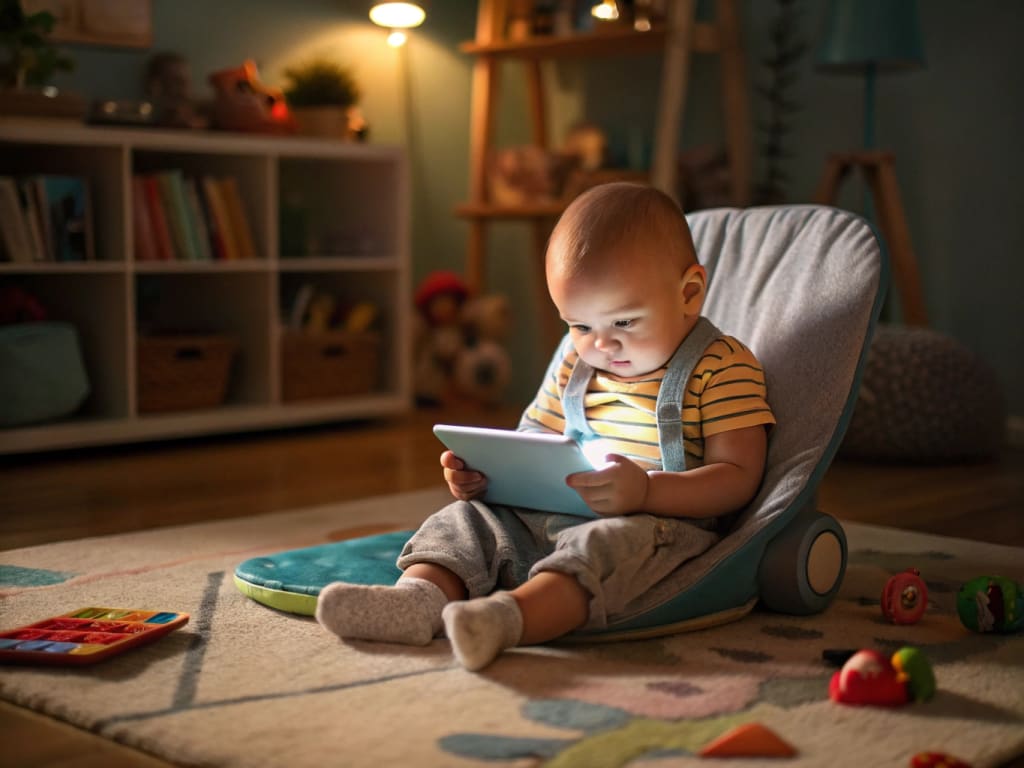
In the modern digital era, babies are increasingly exposed to mobile devices, prompting serious concern among parents, pediatricians, and child development experts due to the possible adverse effects on both short- and long-term development. While mobile screens may provide colorful images and engaging sounds that seem to calm or entertain infants, overuse and unsupervised screen time can negatively impact a baby’s growth in multiple areas. A primary concern lies in brain development, as early childhood is a vital period when neural connections are rapidly forming, and learning best occurs through real-life interaction, sensory exploration, and bonding with caregivers not passive screen viewing.
Excessive exposure to screens may delay language acquisition because it reduces opportunities for verbal communication, which is essential for building vocabulary and comprehension. Social development can also suffer, with screen focused babies less likely to engage in eye contact, pick up emotional cues, or practice empathy, all of which are learned through human interaction. Constant visual and auditory stimulation from mobile devices may shorten attention spans and impair self-regulation skills, leading to issues like impulsivity or difficulty concentrating as the child grows. Additionally, blue light emitted by screens can disrupt sleep patterns, causing poor sleep quality that affects mood, behavior, and physical health. A decline in physical activity is another concern, as screen time often replaces movement-based play, which is crucial for developing motor skills and maintaining a healthy weight.

Furthermore, early emotional dependence on mobile devices can result in tantrums or behavioral problems when access is restricted, especially if the device is used frequently as a distraction or soothing tool during daily routines. The content consumed also plays a significant role fast-paced or aggressive media can overstimulate young minds, potentially causing anxiety or fear. While some digital content claims educational benefits, experts strongly recommend that children under 18 months avoid screen time altogether, except for video chatting. For toddlers between 18 and 24 months, any screen exposure should involve high-quality programs watched together with a caregiver to enhance understanding and interaction. The American Academy of Pediatrics emphasizes that babies need physical play, face-to-face communication, and hands-on learning far more than they need screen-based entertainment. Ultimately, though mobile devices can occasionally aid communication or offer brief entertainment, over-reliance on them during early childhood can interfere with crucial developmental milestones. To support their baby’s healthy growth, parents and caregivers should prioritize real-world activities like playing, reading, singing, and meaningful engagement that nurture the child’s body, mind, and emotional well-being.
Exposure to mobile devices at an early age can lead to a wide array of developmental challenges in babies many of which may persist into later childhood and even adulthood if not addressed properly. One of the most prominent consequences is delayed language development. Babies who spend extended periods watching screens often miss out on real-time conversations and human interactions, which are critical for learning to speak, understand language, and communicate effectively. This lack of engagement can result in limited vocabulary, delayed speech milestones, and long term communication difficulties.

Equally concerning is the impact on social and emotional development. During infancy, children begin to understand emotions, develop empathy, and learn social behavior by observing and interacting with people around them. Excessive screen time, however, diminishes these opportunities, making it harder for children to read social cues, express their feelings, and build relationships. As a result, they may struggle to adjust in group settings like daycare or preschool and may find it difficult to form meaningful connections with peers.
Cognitive and behavioral issues also commonly arise from early and frequent screen exposure. Mobile devices often present fast-paced and over stimulating content, which can hinder the development of attention span and focus. Over time, children exposed to such stimulation may find it difficult to concentrate on tasks that require mental effort and discipline, leading to problems in academic settings. Additionally, poor impulse control and an increased risk of behavioral challenges such as hyperactivity, aggression, and frustration are frequently observed, particularly when screen time is limited or routines are interrupted.
Sleep disturbances represent another significant effect. The blue light emitted from mobile screens can suppress the production of melatonin a hormone essential for sleep regulation. Babies exposed to screens close to bedtime often experience difficulty falling asleep, frequent night awakenings, and reduced sleep quality. Poor sleep during infancy can lead to a cascade of negative outcomes, including irritability, weakened immunity, sluggish growth, and cognitive delays.
Physical development is also at risk. Babies who spend prolonged time in front of screens tend to be less physically active, missing out on crucial motor-skill-building activities. This lack of movement can hinder muscular development and coordination while increasing the risk of obesity. Over time, a sedentary lifestyle may contribute to serious health conditions such as diabetes and heart disease.

Another emerging issue is emotional dependency. When mobile devices are used as a primary tool to soothe or entertain, babies may begin to associate screens with comfort. This can interfere with their natural ability to self-regulate, tolerate boredom, or seek comfort through human connection. As a result, removing or limiting screen time can trigger emotional distress, tantrums, and resistance, making it more difficult for parents to enforce healthy habits.
In conclusion, early exposure to mobile devices can lead to delayed language acquisition, weakened social and emotional skills, cognitive and behavioral issues, disrupted sleep, compromised physical health, and emotional dependence. To mitigate these effects, caregivers must set thoughtful boundaries and prioritize real-life experiences that promote interaction, physical play, and emotional bonding ensuring a more balanced and healthy environment for a child’s growth and development.
About the Creator
G.M. Rayhan
I'm G.M. Rayhan, a Journalist and content writer covering trending news from around the world. I deliver timely, engaging, and reliable stories that inform and inspire readers to stay connected with global events and viral topics.
Keep reading
More stories from G.M. Rayhan and writers in Families and other communities.
Nurturing Baby Development Through Play in the Digital Generation
In today's fast-paced, technology-driven world, digital devices like smartphones, tablets, and smart TVs have become an inseparable part of everyday life. While these advancements offer undeniable advantages such as easier access to information, communication, and entertainment they have also introduced new challenges, especially in the realm of early childhood development. One of the most pressing concerns is the growing amount of screen time infants and toddlers are exposed to, often at the cost of traditional, hands-on play. Across the globe, child development specialists, pediatricians, and educators are sounding the alarm about the declining opportunities for babies to engage in real-world play. The early years are vital for brain growth and learning, and play is a fundamental way through which children understand themselves and their surroundings. In light of increasing digital distractions, safeguarding traditional playtime is not just beneficial, it is essential for healthy development.
By G.M. Rayhan10 months ago in Families
Wise~Guys
— Look Behind what's in Front of You ~ Make Good Choices — Hey, So how you Doin'..! Made~Men — Mobster Movies romanticise a distinctive, elegant appearance, impeccable attire style, along with the 'Families' expressive lingo. Making their 'Bones' gave them Panache — with vintage fedoras, tailored pin-striped suits, mirror-polished wing-tip shoes adorned with tassels; with their 'Gun Moll' gorgeous dates on their arms.
By Jay Kantor20 days ago in Families




Comments
There are no comments for this story
Be the first to respond and start the conversation.