
Nurturing Baby Development Through Play in the Digital Generation
Why Nurturing Baby Development Through Play Is More Important Than Ever in Today’s Digital Generation.


In today's fast-paced, technology-driven world, digital devices like smartphones, tablets, and smart TVs have become an inseparable part of everyday life. While these advancements offer undeniable advantages such as easier access to information, communication, and entertainment they have also introduced new challenges, especially in the realm of early childhood development. One of the most pressing concerns is the growing amount of screen time infants and toddlers are exposed to, often at the cost of traditional, hands-on play. Across the globe, child development specialists, pediatricians, and educators are sounding the alarm about the declining opportunities for babies to engage in real-world play. The early years are vital for brain growth and learning, and play is a fundamental way through which children understand themselves and their surroundings. In light of increasing digital distractions, safeguarding traditional playtime is not just beneficial, it is essential for healthy development.
From birth, play serves as a natural and powerful tool for babies to engage with their world. Through exploration using their senses touch, sight, sound, and movement infants begin to understand how things work. Simple actions like stacking blocks, banging utensils, feeling different textures, or mirroring facial expressions help develop crucial skills. These play-based experiences support everything from cognitive growth and language acquisition to motor skills and emotional intelligence. When a baby reaches for a toy or investigates an object, they are building connections in their brain, developing hand-eye coordination, and learning fundamental principles like cause and effect. These real-world interactions are critical in shaping a child's brain architecture during its most sensitive period of growth.
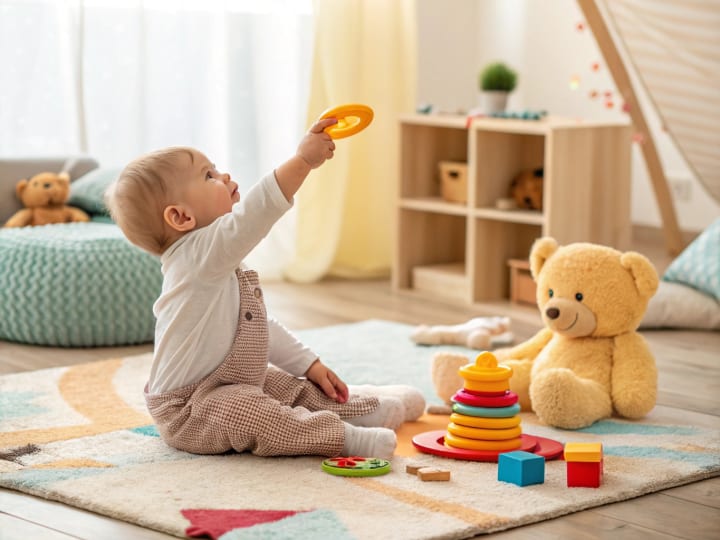
In contrast, digital devices provide a more passive form of engagement that lacks the complexity and richness of traditional play. Even though many apps and programs are marketed as "educational," they rarely offer the full sensory and physical experience needed for comprehensive development. Watching videos or tapping on a screen does not stimulate babies in the same way that physical, exploratory play does. Moreover, excessive screen exposure has been linked to language delays, shorter attention spans, and behavioral challenges. Global research consistently shows that children under two years old are particularly vulnerable to the negative impacts of screens, as their developing brains need dynamic, real-life stimuli for proper growth.
A major downside of screen overuse is the reduction in human interaction, which is central to a baby’s emotional and social development. Babies learn empathy, communication, and bonding through eye contact, facial expressions, and vocal interactions with caregivers. Activities like singing, storytelling, or playing peek-a-boo don’t just entertain they teach vital social skills and foster emotional security. These shared moment’s help babies learn to read social cues, recognize emotions, and feel connected to others. However, when screen time replaces face-to-face time, these valuable opportunities for emotional learning are lost. The absence of such interactions can hinder a child’s ability to form strong relationships and communicate effectively later in life.
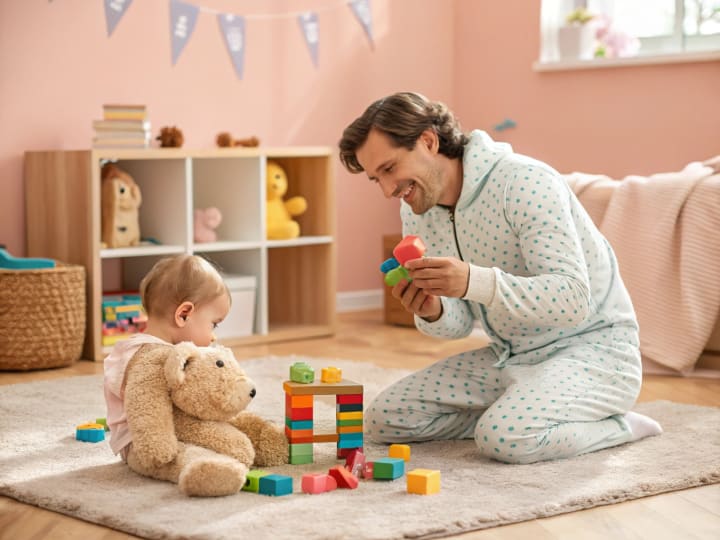
Physical movement is another cornerstone of a baby’s healthy development, and traditional play supports it naturally. Crawling, rolling, stretching, and walking all help strengthen muscles, improve balance, and develop coordination. These movements are not only essential for physical development but also promote cardiovascular health and a healthy body weight. Sedentary behavior common during extended screen time can lead to delayed physical milestones and increased risk of obesity. Recognizing these risks, global health authorities like the World Health Organization (WHO) and the American Academy of Pediatrics (AAP) strongly recommend that children under two engage in frequent physical activity and avoid screen exposure as much as possible.
Around the world, governments and organizations are beginning to act. In countries like Sweden, early childhood education emphasizes outdoor play and limits screen use in daycares. New Zealand has launched public awareness campaigns encouraging parents to spend quality time with their children instead of handing them devices. Japan has issued formal guidance advising parents to avoid screen time altogether for children under two, promoting interactive and hands-on learning instead. These efforts reflect a growing consensus that traditional play is irreplaceable and that excessive screen exposure must be carefully managed in a child’s early years.
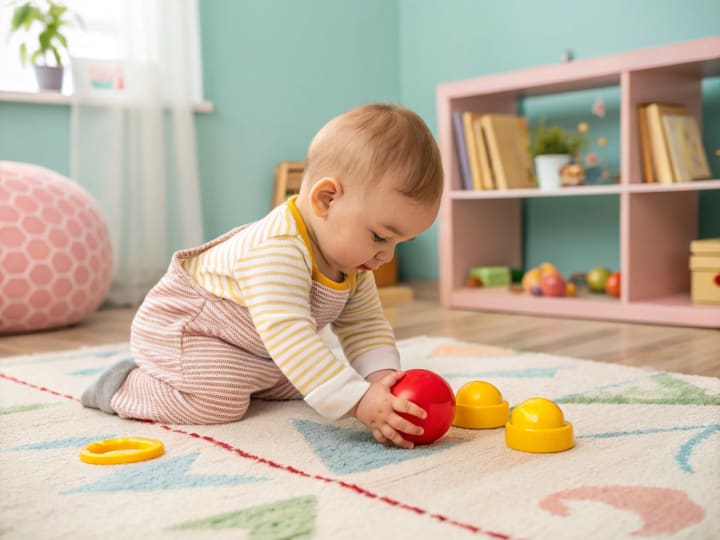
Cultural and social factors also influence how children spend their time. In many urban settings, where parents often work long hours and living spaces are limited, digital devices are sometimes used as "electronic babysitters." While convenient, this solution can come at a cost. The developmental consequences of too much screen time can last a lifetime. To address this, communities and policymakers must support families by providing access to play-friendly environments, including parks, libraries, and parent-child programs. Fortunately, meaningful play doesn’t have to be expensive singing songs, reading books, and playing simple games can be just as effective as any toy or device, if not more.
That said, it is possible for digital tools and traditional play to coexist if managed responsibly. Not all screen time is inherently harmful some educational apps, when used with adult supervision, can supplement learning. The key is mindful usage. When caregivers engage with the child during digital play by talking about what’s happening, asking questions, and connecting digital content to real-life experiences the interaction becomes more active and beneficial. This approach, often called "co-viewing," transforms screen time from a passive habit into a shared learning moment.
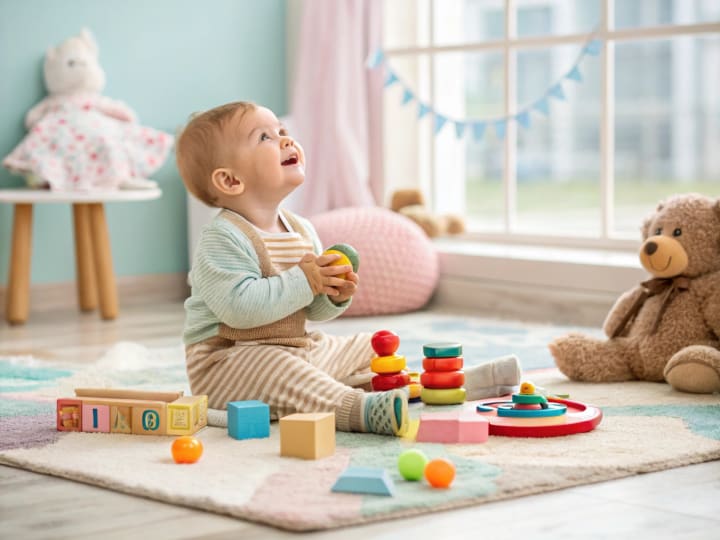
Ultimately, preserving baby playtime means more than just turning off screens. It means recognizing the deep value of simple, real-life experiences that nurture growth and curiosity. In an increasingly digital world, the role of parents, educators, and policymakers is to create environments that promote exploration, movement, creativity, and connection. Whether through setting screen time guidelines, supporting outdoor play, or just spending time on the floor playing with building blocks, the investment in traditional play yields lifelong rewards.
In conclusion, while digital technology offers many conveniences, its role in a baby’s life should be limited and intentional. Babies thrive when they are given the freedom to move, explore, imagine, and connect with the people around them. These formative experiences shape their understanding of the world and help build a strong foundation for future learning and emotional well-being. As we adapt to a digital lifestyle, we must not forget the irreplaceable power of play. By prioritizing traditional, interactive, and hands-on play over passive screen use, we give our children the best possible start one that prepares them to grow into curious, confident, and capable individuals.
About the Creator
G.M. Rayhan
I'm G.M. Rayhan, a Journalist and content writer covering trending news from around the world. I deliver timely, engaging, and reliable stories that inform and inspire readers to stay connected with global events and viral topics.
Keep reading
More stories from G.M. Rayhan and writers in Families and other communities.
A Wife’s True Love: The Unseen Devotion That Strengthens a Husband’s Soul
True love is not a fleeting feeling or a grand display. It is steady, quiet, and deeply rooted in life’s everyday moments. The love a wife holds for her husband is one of the most profound and sincere expressions of devotion resilient, selfless, and gracefully enduring. It often speaks not through elaborate words or romantic gestures, but through actions, sacrifices, and a steadfast commitment to walk side by side, no matter what comes.
By G.M. Rayhan9 months ago in Families
Wise~Guys
— Look Behind what's in Front of You ~ Make Good Choices — Hey, So how you Doin'..! Made~Men — Mobster Movies romanticise a distinctive, elegant appearance, impeccable attire style, along with the 'Families' expressive lingo. Making their 'Bones' gave them Panache — with vintage fedoras, tailored pin-striped suits, mirror-polished wing-tip shoes adorned with tassels; with their 'Gun Moll' gorgeous dates on their arms.
By Jay Kantor19 days ago in Families
Bettijo Hirschi
Introduction Bettijo Hirschi is a multi‑talented creative professional from the United States. She works as a designer, art director, photographer, writer, and event planner. Bettijo has built a long career in creative work and media. People know her for her artistic skills, her work in magazines and television, and her lifestyle blog. She is also known in recent news because of changes in her personal life.
By Farhan Sayed5 days ago in Families
The Devil's Cut
“Comrade, finally you’re awake.” The voice was smooth, sensual. A flickering incandescent bar was all that lit the white, sterile room. All Vladimir remembered was everything going black. He tried to move his arms and found them strapped to the gurney.
By Matthew J. Fromm6 days ago in Fiction




Comments
There are no comments for this story
Be the first to respond and start the conversation.