
The High Cost of Smart Locks: What’s Behind It?
Smart locks offer the convenience of remote management, allowing users to control and monitor their locks from anywhere in the world via a smartphone app.

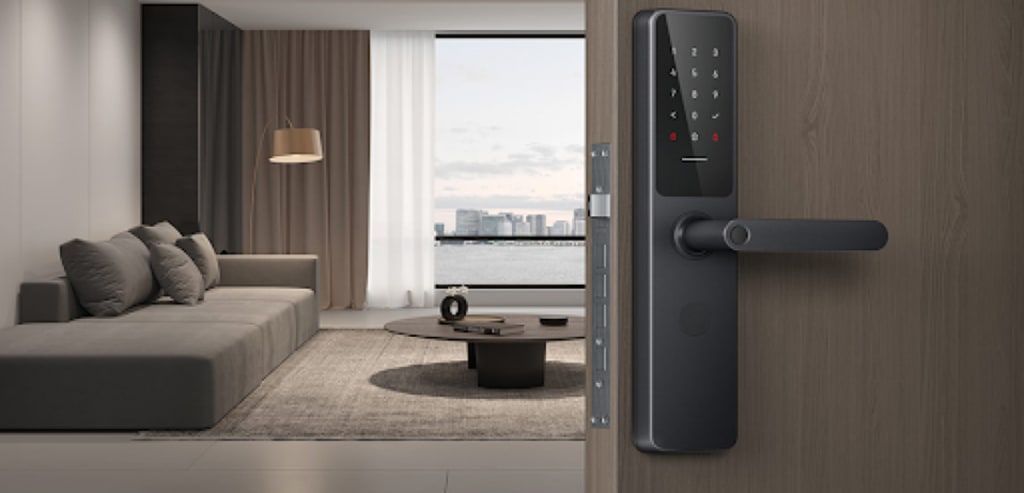
In recent years, the home security market has seen a significant transformation with the advent of smart door lock. These high-tech devices allow users to control access to their homes directly from their smartphones or other smart devices. They provide enhanced security features, such as remote access, real-time notifications, and integration with other smart home systems. Despite these benefits, people wonder why these advanced devices come with a hefty price tag.
After all, there are a lot of reasons why smart locks are so expensive. So, let’s explore everything from advanced technology and security features to brand reputation and manufacturing complexities.
Factors Contribute to the High Cost of Smart Locks
Cutting-Edge Technology
Advanced Security Features
Modern technology is used in smart locks to increase security. These devices are equipped with encryption algorithms, biometric scanning, and remote access features, all of which ensure that your home is well-protected. The cost of developing and integrating these advanced security features significantly contributes to the overall price of smart locks.
Connectivity and Integration
Another reason smart locks are expensive is their ability to connect and integrate with other smart home devices. Whether it’s syncing with your smart thermostat, security camera, or voice assistant, these locks require complex software and hardware to function seamlessly within a connected home ecosystem. The research and development involved in creating such an integrated system adds to the cost.
Premium Materials and Build Quality
Durable Construction
Smart locks are built to last. They often feature high-quality materials like stainless steel, zinc alloy, or brass, which are not only durable but also resistant to tampering. These premium materials ensure that the lock can withstand various environmental factors, such as extreme temperatures and moisture, without compromising functionality. The use of such materials naturally increases the price.
Aesthetic Appeal
In addition to functionality, smart locks are designed to be visually appealing. Many models boast sleek, modern designs that blend seamlessly with contemporary home decor. The design and manufacturing process involved in creating aesthetically pleasing yet functional devices requires precision engineering and, consequently, higher production costs.
Research and Development Costs
Continuous Innovation
The smart lock industry is highly competitive, with manufacturers constantly striving to outdo each other in terms of features and performance. This drive for continuous innovation requires substantial investment in research and development (R&D). From creating new software to designing more secure locking mechanisms, the R&D costs are reflected in the price of the final product.
Compliance and Certification
Smart locks must meet various regulatory standards and certifications to ensure safety and reliability. Achieving these certifications often involves rigorous testing and quality assurance processes, all of which add to the overall cost. Additionally, manufacturers may need to obtain patents for their unique technologies, further driving up expenses.
User Experience and Convenience
Ease of Installation
Digital door locks are designed for easy installation, often without the need for professional assistance. The simplicity and convenience of DIY installation require meticulous engineering to ensure that even those with limited technical skills can set up the device without issues. This ease of installation is a selling point that justifies the higher price.
User-Friendly Interface
One of the key priorities for makers of smart locks is the user experience. These devices typically feature intuitive interfaces, such as mobile apps, that allow users to control and monitor their locks remotely. Developing a user-friendly interface that is both functional and secure involves significant time and resources, contributing to the overall cost.
Brand Reputation and Trust
Established Brands
When purchasing a smart lock, consumers often opt for well-known, reputable brands. These companies have spent years building their reputation and investing in quality assurance to ensure their products meet high standards. The trust and reliability associated with established brands can lead to higher prices, as customers are willing to pay more for peace of mind.
Customer Support and Warranties
Another factor contributing to the cost is the level of customer support and warranty coverage offered by reputable manufacturers. High-end smart locks typically come with comprehensive warranties and responsive customer service, which can be more expensive for companies to provide but are highly valued by consumers.
Abundant Storage
Data Handling Capabilities
One of the standout features of smart locks is their ability to store and manage a vast amount of data. Whether it’s keeping a log of who accessed the lock and when or storing multiple user profiles, the abundant storage capabilities of these devices are crucial for their functionality. This level of data handling requires sophisticated hardware and software, adding to the overall cost of the smart lock.
Secure Data Management
With abundant storage comes the need for secure data management. Smart locks must ensure that the sensitive information they store, such as access logs and user credentials, is protected from unauthorized access. Implementing robust security measures to safeguard this data is another factor that contributes to the high price of these devices.
Remote Management
Convenience of Remote Access
Smart locks offer the convenience of remote management, allowing users to control and monitor their locks from anywhere in the world via a smartphone app. This feature is particularly valuable for those who travel frequently or manage rental properties. However, enabling secure remote access requires advanced technology and continuous connectivity, which contribute to the higher cost of smart locks.
Real-Time Alerts and Monitoring
Another aspect of remote management is the ability to receive real-time alerts and monitor activity around your home. Whether it’s a notification when someone attempts to unlock your door or a reminder to lock up, these features are made possible through sophisticated sensors and software. The development and maintenance of such technology add to the overall expense of smart locks.
To Wrap Up
In summary, the high cost of smart locks is driven by a combination of advanced technology, premium materials, research and development, user convenience, and brand reputation. While these factors contribute to the price, they also ensure that smart locks offer superior security, durability, and ease of use, making them a worthwhile investment for homeowners seeking the best in modern home security.
IPSA Mart offers a selection of high-quality smart door locks, featuring advanced technology for enhanced security and convenience. Our range ensures reliable performance and stylish design, providing homeowners with secure, modern solutions for managing access to their properties.
About the Creator
IPSA Mart
Consumer experience is prime to IPSA MART, Being best in architectural hardware solutions and specializing in electronic door locks & many more.
Wise~Guys
— Look Behind what's in Front of You ~ Make Good Choices — Hey, So how you Doin'..! Made~Men — Mobster Movies romanticise a distinctive, elegant appearance, impeccable attire style, along with the 'Families' expressive lingo. Making their 'Bones' gave them Panache — with vintage fedoras, tailored pin-striped suits, mirror-polished wing-tip shoes adorned with tassels; with their 'Gun Moll' gorgeous dates on their arms.
By Jay Kantor20 days ago in Families



Comments (2)
So so amazing .i love your content and subscribed. Kindly reciprocate by subscribing to me also . thank you and keep it up
Thanks for sharing