
🍳 The Hidden Power of Cooking Games: 5 Life Skills Your Child Can Learn
I used to think cooking games were just cute distractions. Tapping ingredients. Dragging food onto plates. Nothing special… or so I thought.

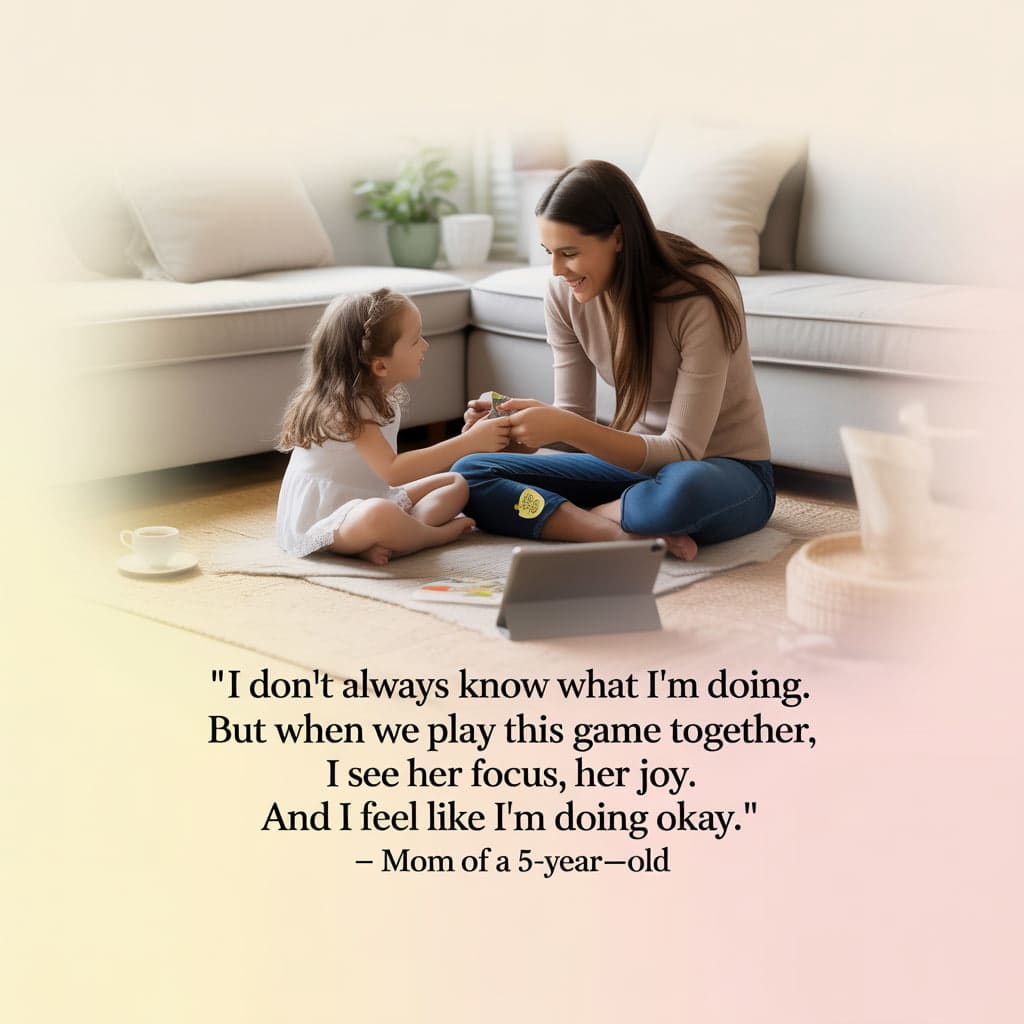
When I first handed my child a cooking game on my phone, I didn’t think much of it.
I just wanted five quiet minutes to finish my coffee.
But then something unexpected happened.
He wasn’t just dragging food around on a screen.
He was thinking, planning, and learning — and I started paying attention.
That small moment changed how I view screen time.
It turns out, cooking games can help kids build real-life skills.
Yes — the kind of skills we wish schools focused on more.
Here are five that surprised me the most:
1. ⏱ Time Management
Most cooking games involve juggling multiple tasks at once — boiling pasta, flipping pancakes, serving customers. Kids quickly learn how to prioritize, stay organized, and work under pressure (in a fun, no-stress way).
My child even started applying it at home: “Mom, if I pour the juice while the toast is heating, it’s faster.” That’s time management. That’s planning.
2. 🎨 Creative Thinking
Cooking is art. Even virtual cooking.
From choosing wild ingredient combos to decorating plates with style, kids use their imagination and creativity freely. The results may not always make sense (rainbow sprinkles on lasagna?), but the courage to experiment is exactly what creativity looks like.
Games give kids the space to try something new — without fear of getting it wrong.
3. 🧠 Logical Sequencing
“First chop the onions, then stir the sauce, then turn on the stove…”
Cooking follows a sequence — and so do these games. By completing tasks in the right order, kids strengthen their executive function, problem-solving, and step-by-step thinking. These skills are fundamental to reading comprehension, math, and even early coding.
4. 🎯 Focus and Attention to Detail
Forget mindless tapping — many cooking games require sharp attention. Kids must spot when food is ready, notice small icons, and remember specific ingredients.
That means better concentration, longer attention spans, and a growing ability to complete tasks without drifting off — something we all want for our kids in today’s distracted world.
5. 💪 Emotional Resilience
Here’s something beautiful: in cooking games, failure is part of the process. If a dish burns or a level is lost, kids try again. And again. No shame. No “bad grade.”
They build grit, adaptability, and a healthy approach to mistakes — which might just be one of the most valuable lessons any child can learn.
So, Is All Screen Time Bad? No.
Not when it’s thoughtful. Not when it’s designed to help kids grow.
That’s why I now look for digital experiences that offer more — more learning, more connection, more purpose.
At KidsTime, we’re building exactly that with Food Festival 3 — a new cooking game where children can play, learn, and develop useful life skills, all while having fun.
🎮 Pre-register now to get early access
Your child’s next game could be more than just entertaining — It could actually help them grow. More about KidsTime.
Thanks for reading!
If this resonated with you, give it a ❤️, leave a comment, or share it with another mindful parent.
Together, let’s rethink screen time — and discover the hidden magic in digital play.
About the Creator
Alina Turlevska
IT Specialist, mother
Keep reading
More stories from Alina Turlevska and writers in Families and other communities.
Wise~Guys
— Look Behind what's in Front of You ~ Make Good Choices — Hey, So how you Doin'..! Made~Men — Mobster Movies romanticise a distinctive, elegant appearance, impeccable attire style, along with the 'Families' expressive lingo. Making their 'Bones' gave them Panache — with vintage fedoras, tailored pin-striped suits, mirror-polished wing-tip shoes adorned with tassels; with their 'Gun Moll' gorgeous dates on their arms.
By Jay Kantor19 days ago in Families
How, Too
Many people wonder how, too. You are not alone, and I am an expert. I will teach you how, too! First, you need to remit a small application fee and fill out an application describing the nature of your financial situation and how often payments will be made, as this will have great bearing on how well I teach you how, too.
By Harper Lewis4 days ago in Fiction




Comments
There are no comments for this story
Be the first to respond and start the conversation.