
The healthy effects and benefits of garlic on humans
If you want to be healthy you should eat garlic

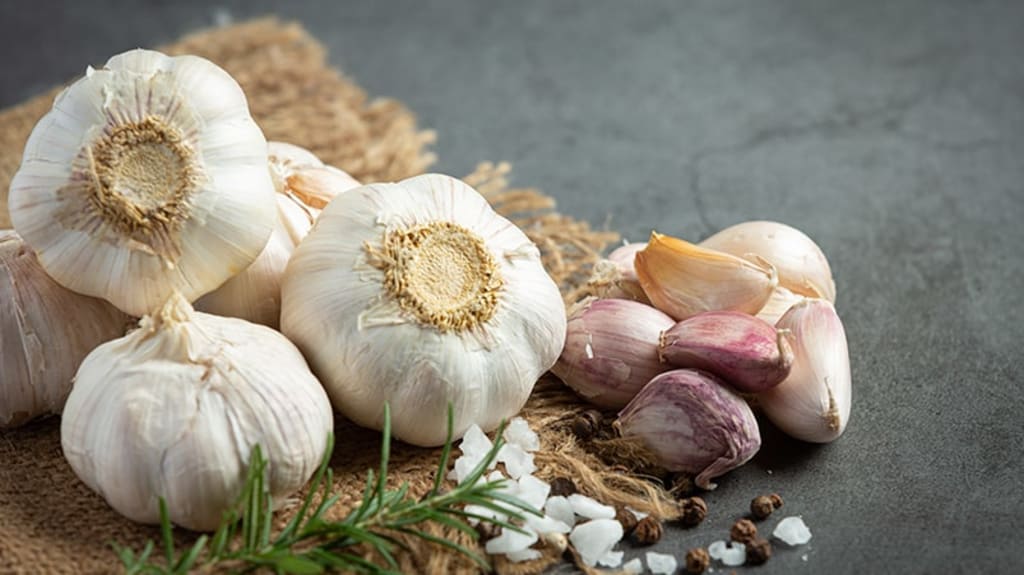
Garlic has been used for both culinary and medicinal purposes for thousands of years. This pungent herb is rich in nutrients and bioactive compounds that can have a variety of health benefits. In this article, we will explore the health effects and benefits of garlic on humans.
Nutritional Value of Garlic
Garlic is a low-calorie food that is high in nutrients. One medium clove of garlic contains approximately:
- 4 calories
- 0.2 grams of protein
- 1 gram of carbohydrates
- 0.1 grams of fat
- 0.1 grams of fiber
- 5% of the recommended daily intake (RDI) of manganese
- 2% of the RDI of vitamin C
- 1% of the RDI of calcium and vitamin B6
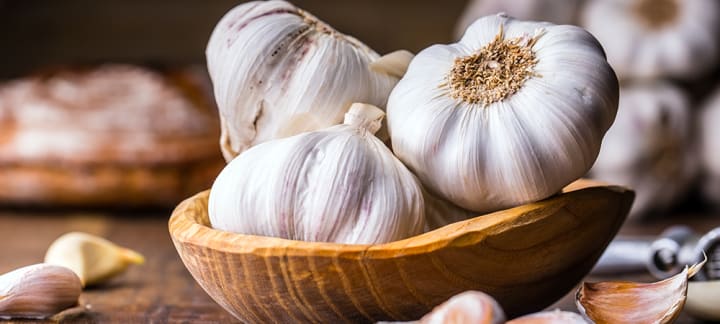
Garlic also contains small amounts of other nutrients, such as selenium and phosphorus.
Bioactive Compounds in Garlic
Garlic contains several bioactive compounds that are responsible for its health benefits. These include:
1. Allicin: This compound is formed when garlic is chopped or crushed, and it is responsible for the characteristic smell and taste of garlic. Allicin has been shown to have antibacterial and antifungal properties.
2. Alliin: This is a sulfur-containing compound that is converted to allicin when garlic is crushed or chopped. Alliin has been shown to have antioxidant properties.
3. Diallyl disulfide: This compound is responsible for the long-lasting odor that garlic can leave on the breath. Diallyl disulfide has been shown to have anti-inflammatory properties.
4. S-allyl cysteine: This is a water-soluble compound that is formed when garlic is aged or cooked. S-allyl cysteine has been shown to have antioxidant properties.
Health Benefits of Garlic
1. Garlic May Help Lower Blood Pressure: High blood pressure is a major risk factor for heart disease and stroke. Some studies have found that garlic can help lower blood pressure by relaxing the blood vessels and increasing blood flow.
2. Garlic May Improve Cholesterol Levels: High levels of LDL (bad) cholesterol and triglycerides are also risk factors for heart disease. Some studies have found that garlic can help lower LDL cholesterol and triglyceride levels, while increasing HDL (good) cholesterol levels.
3. Garlic May Boost Immune Function: Garlic has been shown to have antibacterial, antiviral, and antifungal properties, which can help boost the immune system and fight off infections.
4. Garlic May Reduce Cancer Risk: Some studies have found that garlic may help reduce the risk of certain types of cancer, such as stomach and colon cancer. This may be due to the antioxidant properties of garlic, as well as its ability to reduce inflammation.
5. Garlic May Improve Bone Health: Garlic has been shown to have a positive effect on bone health by increasing estrogen levels in women and reducing bone loss.
6. Garlic May Improve Athletic Performance: Garlic has been shown to increase exercise endurance and reduce fatigue in some studies.
How to Incorporate Garlic into Your Diet
Garlic can be easily incorporated into a variety of dishes, such as stir-fries, soups, stews, and pasta sauces. It can also be roasted, mashed, or minced and added to vegetables or meat dishes.
It is important to note that some people may be allergic to garlic or experience digestive issues when consuming large amounts. In addition, garlic supplements can interact with certain medications, such as blood thinners, so it is important to talk to your doctor before taking supplements.
All in all, garlic is a nutrient-rich food packed with bioactive compounds that can provide a variety of health benefits. You can make yourself healthier by including garlic in your diet.
Kastamonu is the place where garlic is grown.
Kastamonu is a city located in the Black Sea region of Turkey, known for its rich history, cultural heritage, and natural beauty. It is also famous for its garlic production, which has been a major industry in the region for centuries.
The city of Kastamonu is situated on the banks of the Kastamonu River and is surrounded by rugged mountains and forests, making it a popular destination for outdoor enthusiasts. The city itself is known for its well-preserved Ottoman architecture, with many historic buildings and mosques dating back to the 18th and 19th centuries.
The fertile soil and favorable climate of Kastamonu have made it an ideal location for garlic cultivation. The city is known for producing high-quality garlic with a distinct flavor and aroma, thanks to the unique combination of soil, climate, and traditional cultivation methods.
The garlic harvested in Kastamonu is typically planted in the fall and harvested in the summer, with the peak harvest season occurring in July and August. The garlic bulbs are then dried and stored for later use or sold in local markets.
In addition to its garlic production, Kastamonu is also known for its traditional handicrafts, such as weaving and woodcarving, as well as its rich cuisine, which includes a variety of dishes made with garlic. The city also hosts several cultural festivals throughout the year, including the Kastamonu Garlic Festival, which celebrates the region's garlic production and culinary traditions.
Overall, Kastamonu is a unique and vibrant city that is worth exploring for its rich history, natural beauty, and delicious garlic. Whether you are interested in outdoor activities, cultural experiences, or culinary delights, Kastamonu has something to offer for everyone.
About the Creator
Keep reading
More stories from Tarik Ozlek and writers in Families and other communities.
The conveniences brought by the age of development
Throughout human history, we have constantly strived for progress and development. With each passing era, we have discovered new technologies, invented new tools, and created new systems that have made our lives easier and more convenient. Today, we live in an age of development where technology and innovation are advancing at an unprecedented rate, bringing with them a multitude of conveniences that we now take for granted.
By Tarik Ozlek3 years ago in Education
Wise~Guys
— Look Behind what's in Front of You ~ Make Good Choices — Hey, So how you Doin'..! Made~Men — Mobster Movies romanticise a distinctive, elegant appearance, impeccable attire style, along with the 'Families' expressive lingo. Making their 'Bones' gave them Panache — with vintage fedoras, tailored pin-striped suits, mirror-polished wing-tip shoes adorned with tassels; with their 'Gun Moll' gorgeous dates on their arms.
By Jay Kantor20 days ago in Families
Ludacris and Nelly draw backlash over bookings at MAGA-coded music festival
Ludacris and Nelly headlining a mostly right-wing event is good for them. It’s also great for the genre of hip hop. The two rap veterans have showcased their talents on other stages. Why can’t they perform for mostly MAGA folks and grab that bag?
By Skyler Saunders5 days ago in Beat




Comments
There are no comments for this story
Be the first to respond and start the conversation.