
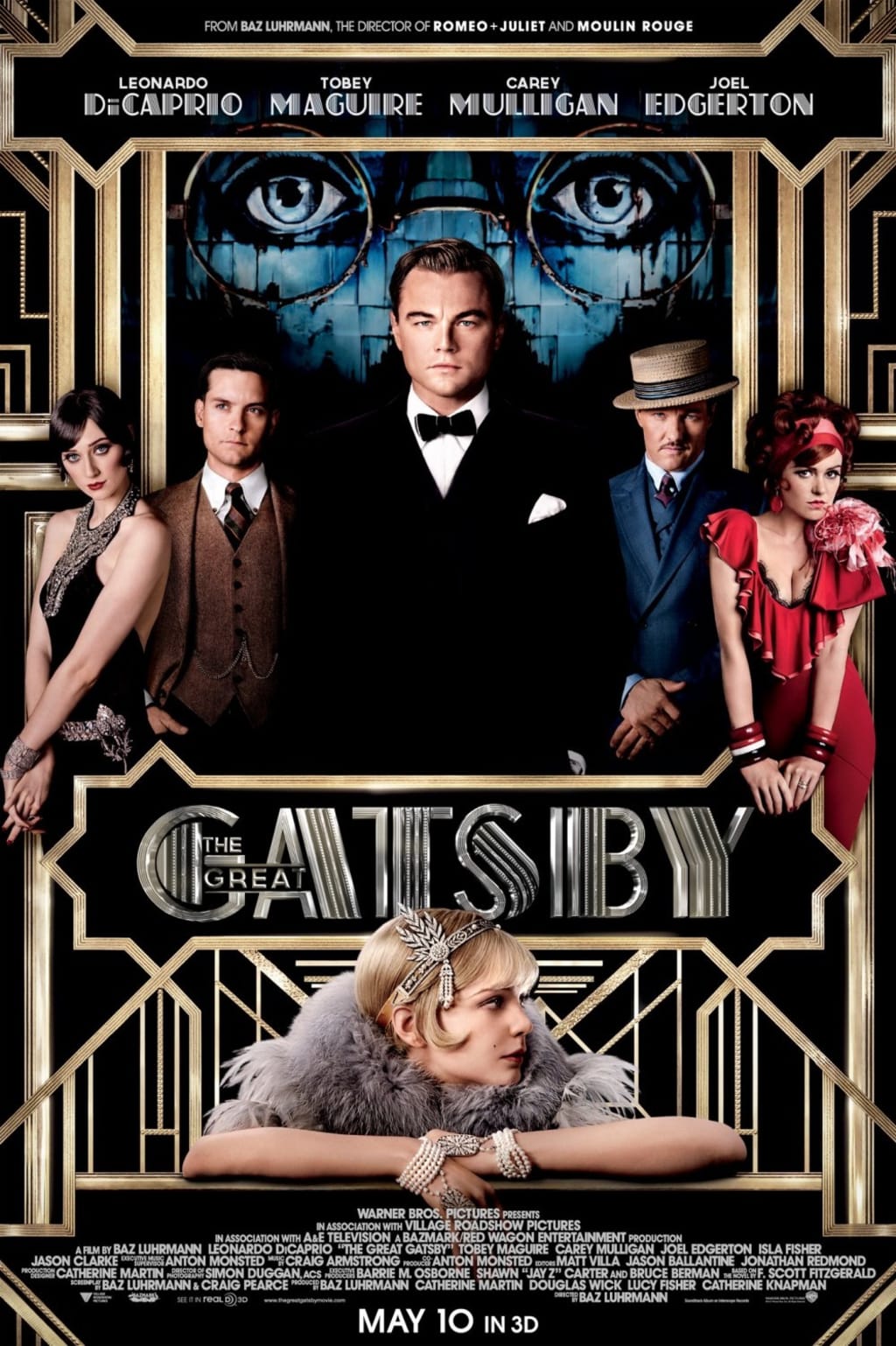
Title: The Great Gatsby: Unveiling the Jazz Age's Enigmatic Tale of Illusion and Longing
Introduction:
"The Great Gatsby" by F. Scott Fitzgerald stands as a timeless masterpiece, a literary gem that captures the essence of the Jazz Age while exploring themes of love, ambition, wealth, and the elusive American Dream. First published in 1925, the novel continues to captivate readers with its vivid characters, evocative setting, and profound critique of the decadence and moral ambiguity that defined the Roaring Twenties. Let's dive into the intoxicating world of "The Great Gatsby" and unravel its enduring allure.
The Plot:
Set in the prosperous Long Island of 1922, the novel centers around the enigmatic Jay Gatsby, a wealthy and mysterious figure known for his extravagant parties. The story is narrated by Nick Carraway, a young bond salesman and Gatsby's neighbor, who becomes entangled in the lives of the elite in the West Egg community.
Nick's curiosity leads him into Gatsby's world, where he witnesses the opulence and excesses of the upper class. Through Nick's eyes, we are introduced to a cast of complex characters, including the beautiful and unattainable Daisy Buchanan, her arrogant and philandering husband Tom, and Jordan Baker, a cynical professional golfer.
As the story unfolds, it becomes evident that Gatsby's lavish lifestyle and extravagant parties are a facade aimed at attracting Daisy, the love of his life. Gatsby's pursuit of the American Dream and his desperate longing for Daisy serve as the driving force behind the narrative. The novel navigates themes of unrequited love, obsession, and the inescapable grip of the past, culminating in a tragic climax that exposes the emptiness and moral bankruptcy that lie beneath the glitz and glamour.
Themes and Symbolism:
"The Great Gatsby" delves into several profound themes, offering a scathing critique of the materialism and superficiality that permeated 1920s America. It explores the corrupting influence of wealth and the pursuit of the American Dream, revealing the hollowness that often lies beneath the shimmering surface. Fitzgerald brilliantly uses symbolism throughout the novel to underscore these themes, most notably the green light at the end of Daisy's dock, representing Gatsby's distant hopes and dreams.
The novel also explores the theme of time and the inability to recreate the past. Gatsby's relentless pursuit of Daisy is driven by his desire to recapture their lost love, but as events unfold, it becomes clear that the past cannot be resurrected. The motif of the "valley of ashes" serves as a stark reminder of the moral decay and desolation that lurks beneath the gilded façade of the Jazz Age.
Character Portrayal:
Fitzgerald's masterful characterizations breathe life into "The Great Gatsby." Jay Gatsby emerges as a tragic hero, embodying the pursuit of the American Dream. His charismatic persona and untold wealth mask a deeply lonely and broken man desperately clinging to an idealized past.
Daisy Buchanan, often seen as the embodiment of the American Dream, represents the disillusionment and emptiness that can accompany a life of privilege. Tom Buchanan, with his brute force and entitlement, epitomizes the callousness and moral bankruptcy of the upper class. Nick Carraway serves as both a witness and a moral compass, navigating the world of the wealthy while retaining a sense of integrity.
Legacy and Impact:
"The Great Gatsby" continues to resonate with readers and scholars, as its themes remain relevant in contemporary society. The novel provides a cautionary tale about the dangers of unchecked materialism and the illusion of the American Dream. It offers a stark reminder that wealth and glamour do not
About the Creator
Keep reading
More stories from Abdullah Khalid and writers in Families and other communities.
One Hundred Years of Solitude
Title: One Hundred Years of Solitude: A Masterpiece of Magical Realism and Human Existence Introduction: "One Hundred Years of Solitude" by Gabriel García Márquez stands as a literary tour de force, captivating readers with its rich storytelling, intricate plot, and profound exploration of human existence. Published in 1967, the novel weaves a tapestry of multiple generations of the Buendía family, offering a compelling blend of magical realism, historical context, and universal themes. Let us embark on a journey through the mystical town of Macondo and delve into the timeless allure of "One Hundred Years of Solitude."
By Abdullah Khalid3 years ago in Feast
Wise~Guys
— Look Behind what's in Front of You ~ Make Good Choices — Hey, So how you Doin'..! Made~Men — Mobster Movies romanticise a distinctive, elegant appearance, impeccable attire style, along with the 'Families' expressive lingo. Making their 'Bones' gave them Panache — with vintage fedoras, tailored pin-striped suits, mirror-polished wing-tip shoes adorned with tassels; with their 'Gun Moll' gorgeous dates on their arms.
By Jay Kantor20 days ago in Families




Comments
There are no comments for this story
Be the first to respond and start the conversation.