
The Gender Revolution on the Mat
Men’s Growing Presence in Yoga and Pilates Ignites Debate Over Safe Spaces and Inclusion

Introduction
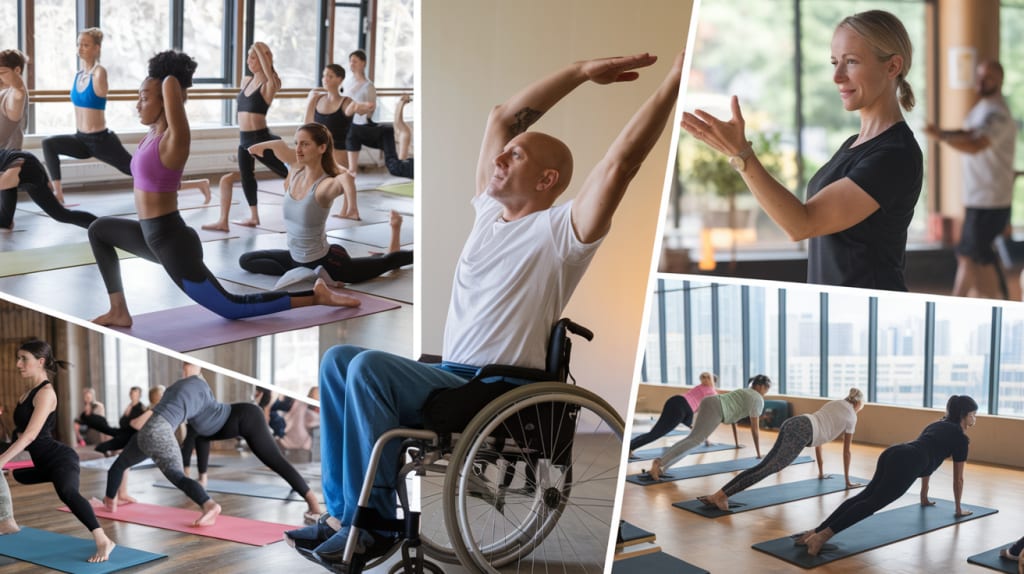
In the serene studios of yoga and Pilates, a quiet revolution is unfolding. Once dominated by women seeking refuge from societal pressures, these practices are now attracting a surge of male participants. What began as a trickle has become a wave, with men citing mental health, flexibility, and athletic recovery as reasons to unroll their mats beside women. Yet this shift has sparked a fiery debate: Can these spaces remain sanctuaries for women while embracing gender inclusivity? From viral social media posts declaring, “We all secretly hate you” to studios redesigning classes, the tension reveals deeper questions about identity, safety, and the evolving norms of fitness culture.
Part 1: The Gendered History of Yoga and Pilates
From Ancient Practice to Western Stereotypes
Yoga, with its roots in 5,000-year-old Indian traditions, was historically male-dominated, taught by male gurus to male disciples. Pilates, developed by Joseph Pilates in the early 20th century, initially targeted male dancers and soldiers. But in the West, both practices became feminized by the 1970s–90s, marketed as paths to grace, mindfulness, and “body-sculpting” — traits culturally coded as feminine. Studios adorned with candles, soft music, and pastel decor reinforced this perception, creating spaces where women could exercise free from the male gaze.
*The Rise of the “Wellness” Movement
The 2010s wellness boom, fueled by social media influencers like Adriene Mishler (Yoga With Adriene) and Blogilates’ Cassey Ho, further cemented yoga and Pilates as female-centric. Women flocked to these classes not just for fitness but for community, often describing studios as “therapy rooms” where vulnerability was safe.
Part 2: Why Men Are Joining—And Why Now?
*Breaking the Stigma: Mental Health and Modern Masculinity
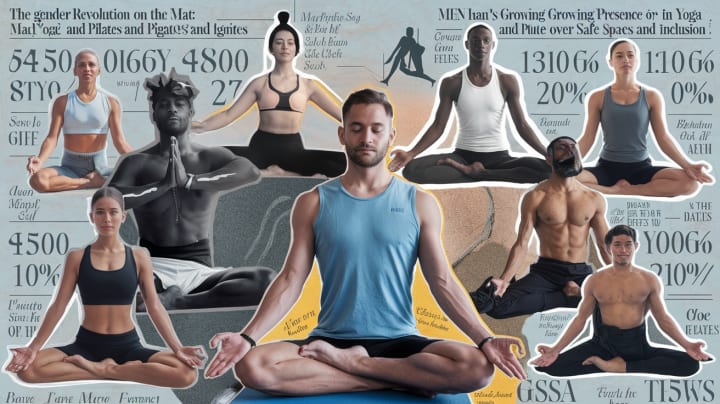
Men’s participation has risen by over 20% in the past five years, according to the Fitness Industry Association. The shift aligns with broader cultural movements challenging toxic masculinity. Celebrities like LeBron James and Chris Hemsworth tout yoga for injury prevention, while podcasts like *The Joe Rogan Experience* reframe mindfulness as a tool for peak performance.
Social Media’s Role in Redefining Fitness
Platforms like TikTok and Instagram have normalized male participation. Influencers like @YogaForBros (Mike Matthews) post tutorials emphasizing strength-building poses, countering the myth that yoga is “easy” or “feminine.” Meanwhile, apps like Down Dog offer gender-neutral home workouts, reducing intimidation for newcomers.
Part 3: Women’s Anger and the Fear of Losing Safe Spaces
“It Feels Like an Invasion”: Voices of Frustration
Many women express discomfort, citing behaviors they associate with male-dominated gyms: competitive energy, unsolicited advice, or lingering stares. A 2022 survey by *Women’s Health* found 63% of respondents felt “less relaxed” in mixed-gender classes. Online forums brim with anecdotes:
“A guy corrected my downward dog—it was so patronizing.”
“I wear baggy clothes now to avoid attention.”
The Psychology of Safe Spaces
Dr. Rebecca Stern, a sociologist specializing in gendered spaces, explains: “Women often view studios as one of the few places they can exist without performance anxiety. Male presence, even if benign, can trigger subconscious vigilance.” Some argue this mirrors the “third shift” women face—constantly managing others’ perceptions.
Counterarguments: Inclusion as Progress
Not all women oppose the shift. “Yoga is about unity,” says instructor Priya Kapoor. “Excluding men contradicts its philosophy.” Others note that male allies can help dismantle stereotypes, fostering equality.
Part 4: Men’s Experiences—From Awkwardness to Acceptance
Navigating Suspicion
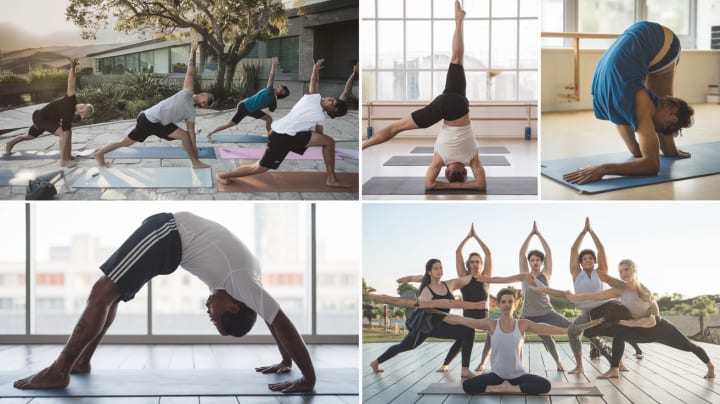
For men, joining a class can feel like walking a tightrope. “I’m hyper-aware of where I look,” admits Mark Davies, a Pilates newcomer. “I don’t want to seem creepy.” Some report being ignored by peers or receiving overly cautious cues from instructors.
Success Stories: Finding Belonging
Yet many men describe transformative experiences. “Yoga helped me process grief after my divorce,” shares Alex Rivera. Studios like Broga® (founded in 2010) cater specifically to men, blending traditional poses with humor and camaraderie.
Part 5: Instructors Adapt—Balancing Inclusion and Comfort
Redesigning Classes
Studios are experimenting with solutions:
- single-gender sessions: Offering women-only or men-only classes.
- Etiquette workshops: Teaching consent (e.g., “Don’t touch others without asking”).
- Trauma-informed training: Ensuring cues are non-invasive.
*The Business Dilemma*
While some studios fear alienating core clients, others see opportunity. “We’ve added strength-focused flows to attract men,” says L.A. studio owner Clara Nguyen. “Revenue’s up 30%.”
Part 6: Broader Implications—Fitness Culture at a Crossroads
*Mirroring Societal Shifts
This debate echoes tensions in workplaces, schools, and healthcare. Should historically gendered spaces adapt or remain segregated? Contrasts abound: While women critique male encroachment, male-dominated spaces (e.g., weight rooms) rarely face similar scrutiny.
The Role of Marketing
Brands like Lululemon now feature male models in yoga ads, while Nike’s “Yoga For All” campaign explicitly targets men. Critics argue this commercializes practices rooted in spirituality.
Part 7: The Path Forward—Can the Mat Unite Us?
Hybrid Models and Compromise
Some studios adopt a “both/and” approach:
- Women-only mornings: Preserving safe hours.
- Co-ed evenings:* Encouraging mixed participation.
- Beginner sessions: Reducing intimidation for all genders.
A Call for Empathy
Psychologist Dr. Evan Klein suggests reframing the conflict: “This isn’t men vs. women—it’s about renegotiating shared spaces with care.” Open dialogues, anonymous feedback boxes, and gender-neutral locker rooms are emerging as tools.
Conclusion: The Future of Fitness Is Fluid
The yoga and Pilates mat has become a microcosm of society’s struggle to balance inclusion and tradition. While friction persists, the solution may lie in flexibility—both physical and philosophical. As instructor Jamal Carter notes, “The mat doesn’t care about your gender. It just asks you to show up.” Whether these practices can honor their roots while evolving with the times remains to be seen, but one truth is clear: The conversation is just beginning.
Final Reflection:
Is the discomfort of today a necessary growing pain for a more inclusive tomorrow? Or does preserving women’s sanctuaries require drawing boundaries? The answer may determine not just the future of yoga, but how we navigate all spaces where gender, identity, and belonging collide.
About the Creator
K. B.
Dedicated writer with a talent for crafting poetry, short stories, and articles, bringing ideas and emotions to life through words.




Comments
There are no comments for this story
Be the first to respond and start the conversation.