
Hair Thinning in Women: Myths vs. Facts
Hair Thinning in Women

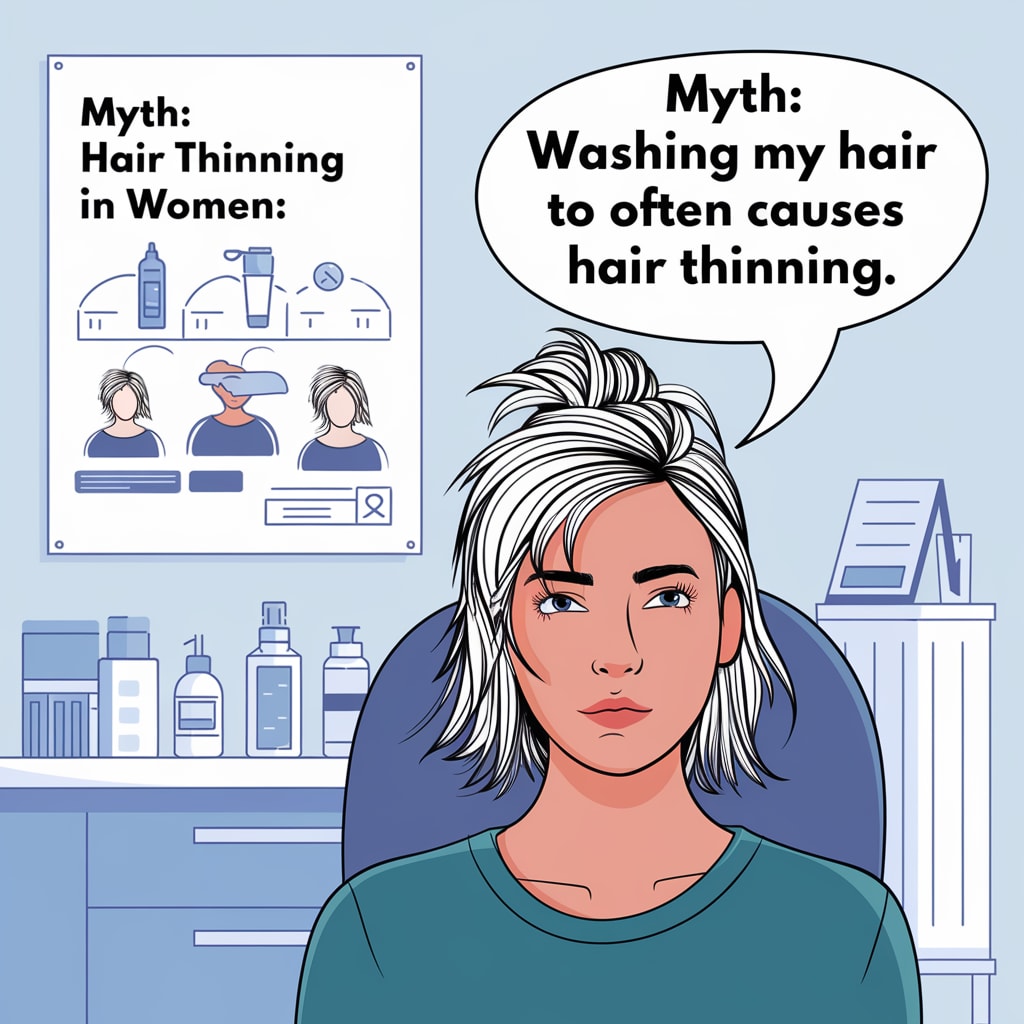
Hair thinning is a concern that affects millions of women worldwide, yet it remains shrouded in misconceptions and stigma. Understanding the truth about female hair thinning is crucial for proper diagnosis and treatment. Let's separate fact from fiction and explore what women really need to know about this common condition.
Understanding Female Hair Thinning
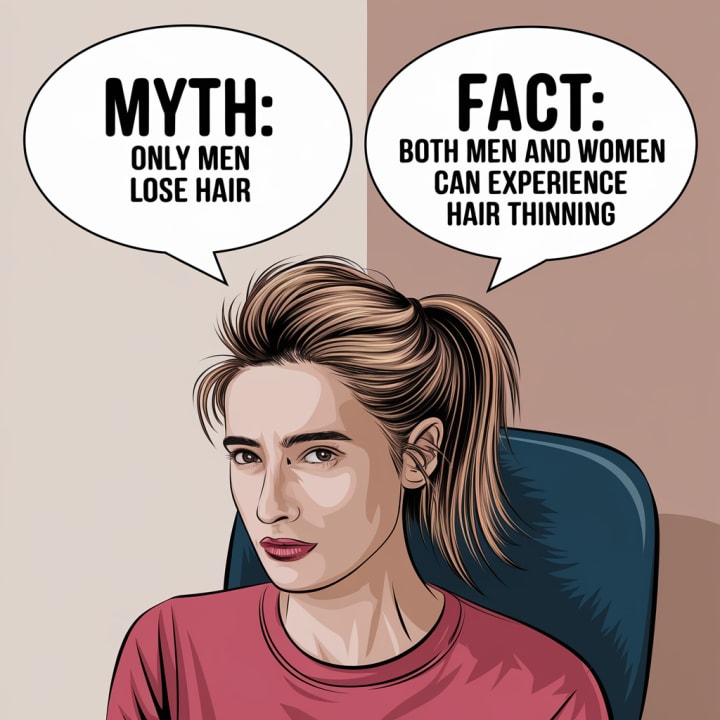
Hair thinning in women, also known as female pattern hair loss (FPHL), is more prevalent than many realize. While it's often considered a male issue, studies show that up to 50% of women will experience noticeable hair loss by the age of 50. Unlike men, women typically experience diffuse thinning across the scalp rather than complete baldness in specific areas.
Common Myths and Facts About Hair Thinning in Women
Myth: Hair Thinning Only Affects Older Women
Fact: While age is a factor, hair thinning can affect women of all ages. Some women notice thinning in their 20s or 30s, particularly if they have a genetic predisposition or underlying health conditions. Hormonal changes, stress, and certain medications can trigger hair thinning at any age.
Myth: Stress Is the Only Cause of Hair Thinning
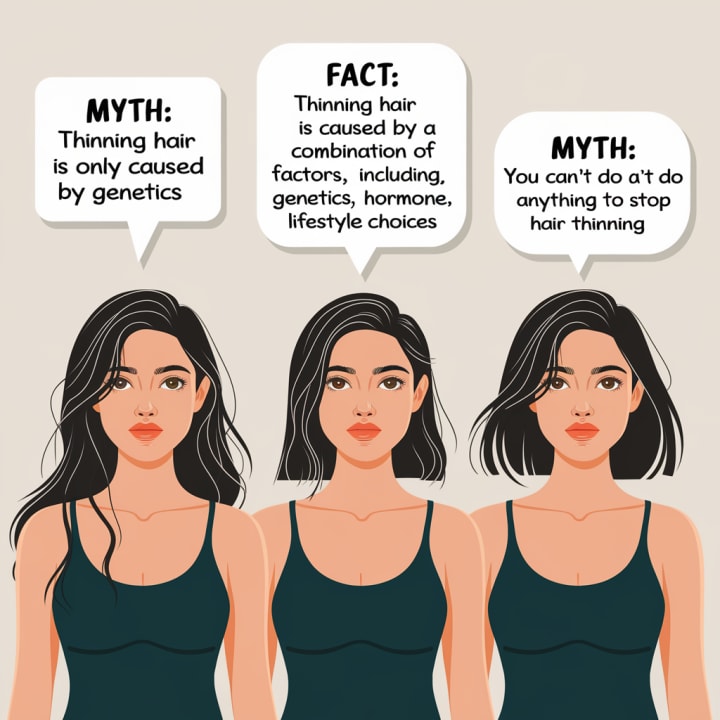
Fact: While stress can contribute to hair loss, numerous factors can cause or exacerbate hair thinning in women:
- Hormonal changes (pregnancy, menopause, thyroid disorders)
- Genetic predisposition
- Nutritional deficiencies
- Medical conditions like polycystic ovary syndrome (PCOS)
- Certain medications
- Aggressive hair styling practices
- Autoimmune conditions
Myth: Hair Products Alone Can Solve Thinning Hair
Fact: While quality hair care products can improve the appearance of thinning hair, addressing the underlying cause is essential for effective treatment. A comprehensive approach often includes:
- Medical evaluation to identify root causes
- Targeted treatments prescribed by healthcare providers
- Lifestyle modifications
- Proper nutrition and supplementation
- Gentle hair care practices
Signs and Symptoms to Watch For
Early recognition of hair thinning symptoms can lead to more effective treatment. Common signs include:
1. Widening part line
2. Increased visibility of the scalp
3. Smaller ponytail circumference
4. More hair than usual in brushes or shower drains
5. Reduced hair volume overall
Prevention and Treatment Options
Preventing and treating hair thinning requires a multi-faceted approach:
Medical Treatments
- Minoxidil (FDA-approved for women)
- Prescription medications for underlying conditions
- Hormone therapy when appropriate
- Platelet-rich plasma (PRP) treatments
Lifestyle Changes
- Balanced diet rich in proteins, vitamins, and minerals
- Stress management techniques
- Gentle hair care practices
- Protection from excessive heat and chemical treatments
Nutritional Support
- Iron supplementation if deficient
- Biotin and other B vitamins
- Omega-3 fatty acids
- Vitamin D
- Zinc
Professional Care and When to Seek Help
It's important to consult healthcare providers when experiencing hair thinning:
1. Primary Care Physician: For initial evaluation and basic blood work
2. Dermatologist: For specialized scalp and hair assessment
3. Endocrinologist: If hormonal issues are suspected
4. Trichologist: For specific hair and scalp expertise
Tips for Managing Thinning Hair
While seeking treatment, several strategies can help manage the appearance of thinning hair:
Styling Techniques
- Use volumizing products without heavy oils
- Consider shorter hairstyles that create the illusion of fullness
- Avoid tight hairstyles that can cause traction alopecia
- Use gentle hair accessories that won't break or pull hair
Hair Care Practices
- Wash hair with gentle, sulfate-free shampoos
- Avoid excessive heat styling
- Use a silk or satin pillowcase to reduce friction
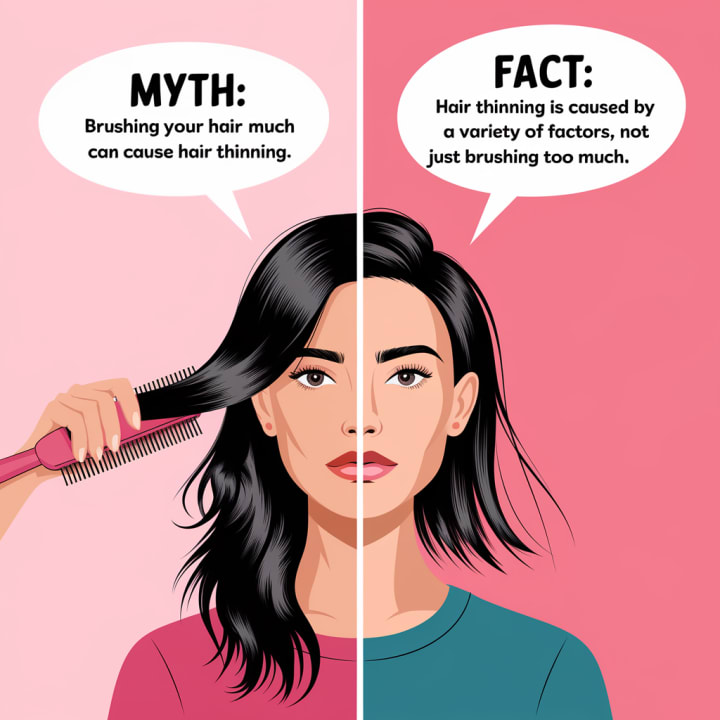
- Be gentle when brushing and styling
The Emotional Impact
Hair thinning can significantly affect a woman's self-esteem and emotional well-being. It's important to:
- Acknowledge these feelings as valid
- Seek support from understanding friends and family
- Consider joining support groups
- Work with mental health professionals if needed
Future Developments and Research
The field of hair loss treatment continues to evolve, with promising developments in:
- Stem cell therapy
- New topical treatments
- Genetic research
- Advanced hair restoration techniques
Understanding hair thinning in women is crucial for proper management and treatment. By dispelling myths and focusing on facts, women can make informed decisions about their hair health. Remember that hair thinning is a common condition affecting many women, and effective treatments are available. The key is early recognition, proper diagnosis, and a comprehensive treatment approach tailored to individual needs.
Seeking professional help at the first signs of thinning can lead to better outcomes and more effective management of this challenging condition. With the right combination of medical treatment, lifestyle changes, and support, many women can successfully address their hair thinning concerns and maintain healthy, fuller-looking hair.
About the Creator
K. B.
Dedicated writer with a talent for crafting poetry, short stories, and articles, bringing ideas and emotions to life through words.
The Family Portrait
I have a thing against confident men. Don’t get me wrong—I do not hate them. I am just amazed by their sheer arrogance. To look life in the face and turn it to stone, Medusa-like. To smile at a camera and not be fazed by the lights flashing millisecond by millisecond. To wear jewelry and not fear that it will slip from sweat on their wrists, their necks, or their fingers.
By Brian Kennedy4 days ago in Families
The First Rainbow Baby
Pitter-patter, pitter-patter. The rain fell in rhythmic splatters, slowly slowing, but still constant. Mira rolled onto her side pulling the blanket tight against her ears, but still she could hear chitter-chatter and scurrying feet of the creatures that refused to sleep in the lower decks.
By A. J. Schoenfeld3 days ago in Fiction




Comments
There are no comments for this story
Be the first to respond and start the conversation.