
The Female Hormone Balance Diet: Foods That Regulate Estrogen Naturally
Top 17 Best Foods to Regulate Estrogen Naturally
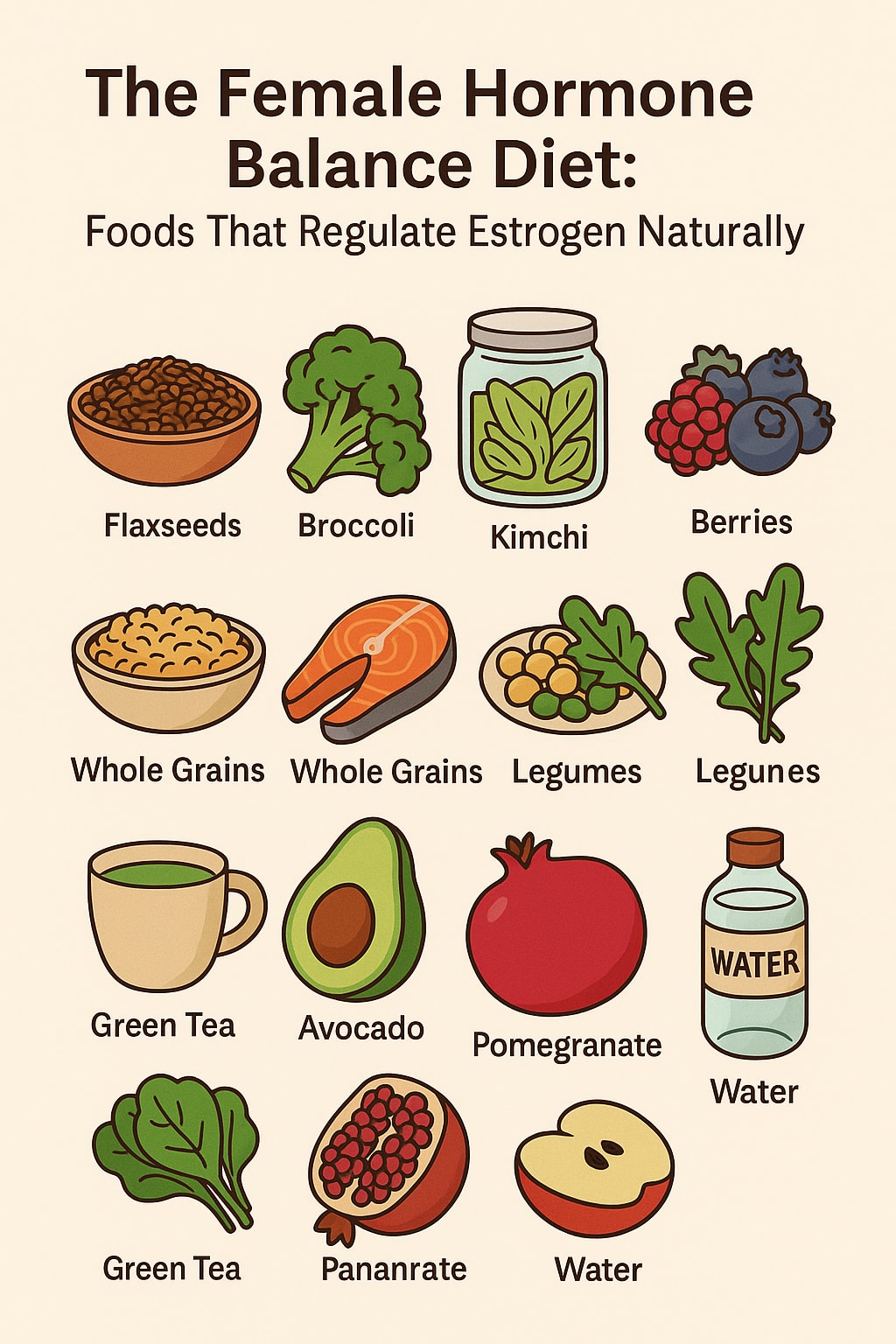
Balancing hormones, especially estrogen, is essential to a woman’s overall health, vitality, and mood. From managing PMS and menopause symptoms to supporting reproductive health and mood stability, estrogen plays a starring role. But did you know that your diet can naturally help regulate this powerful hormone?
Why Hormone Balance Matters for Women
Understanding Estrogen's Role in Women's Health
Estrogen is key to regulating the menstrual cycle, supporting bone health, maintaining skin elasticity, and ensuring reproductive wellness. It also interacts with serotonin, the feel-good brain chemical.
Symptoms of Estrogen Imbalance
When estrogen is too high or low, you may experience:
Irregular periods
Mood swings or depression
Hot flashes or night sweats
Low libido
Weight gain, especially around the hips or belly
Causes of Hormonal Disruption
Stress, poor diet, overexposure to endocrine-disrupting chemicals, and lack of exercise can all throw your hormones off balance. Fortunately, food can help restore that balance naturally.
The Science Behind Estrogen-Regulating Foods
Phytoestrogens and Their Effects
Phytoestrogens are plant compounds that mimic estrogen in the bodyeither boosting or blocking its effects depending on what your body needs. Flaxseeds and soy are powerful examples.
Fiber and Gut Health's Influence on Estrogen
Fiber helps eliminate excess estrogen through digestion, preventing reabsorption into the bloodstream. A healthy gut microbiome also metabolizes estrogen properly.
Antioxidants, Omega-3 s & Liver Detox Support
Antioxidants fight inflammation, Omega-3 s reduce hormonal swings, and certain foods assist the liver in detoxifying excess estrogen.
Top 17 Foods That Help Regulate Estrogen Naturally
1. Flaxseeds
Packed with lignans (a type of phytoestrogen), flaxseeds balance estrogen levels and support healthy periods.
2. Cruciferous Vegetables
Broccoli, kale, and cauliflower contain indole-3-carbinol, which helps the liver process and detoxify excess estrogen.
3. Fermented Foods
Kimchi, sauerkraut, kefir, and yogurt boost gut health, improving estrogen metabolism and supporting immunity.
4. Berries
Blueberries, raspberries, and strawberries are antioxidant powerhouses that protect hormonal health.
5. Whole Grains
Quinoa, oats, and brown rice regulate insulin and blood sugar, crucial for keeping hormones stable.
6. Fatty Fish
Salmon and mackerel are loaded with Omega-3 s, reducing inflammation and aiding hormone synthesis.
7. Legumes
Chickpeas, lentils, and soy provide fiber, protein, and isoflavones—natural estrogen modulators.
8. Leafy Greens
Spinach, arugula, and chard are rich in magnesium and antioxidants that support hormonal balance.
9. Green & Herbal Teas
Green tea reduces estrogen dominance, while red clover and spearmint help balance levels in PCOS.
10. Nuts and Seeds
Chia, sunflower, and sesame seeds contain hormone-supporting minerals like zinc and selenium.
11. Avocados
Rich in healthy fats and potassium, avocados support the adrenal glands and stabilize hormones.
12. Pomegranates
Contain natural Aromatherapy inhibitors that prevent estrogen from converting into harmful forms.
13. Mushrooms
Especially shiitake and reishi, which inhibit estrogen-producing enzymes.
14. Grapes and Red Wine
Rich in resveratrol, which helps maintain hormonal balance—but moderation is key.
15. Garlic and Onions
They enhance liver detoxification and reduce excess estrogen naturally.
16. Apples and Pears
These fiber-rich fruits promote healthy digestion and estrogen elimination.
17. Water
Hydration helps every system function better, including hormonal detox and gut health.
Foods and Habits to Avoid for Estrogen Balance
Processed Foods & Sugar
Excess sugar and refined carbs can increase inflammation and promote estrogen dominance.
Alcohol and Caffeine Overload
Too much disrupts liver function and hormone regulation.
Xenoestrogens
Found in plastics, pesticides, and cosmetics—these mimic estrogen and create hormonal chaos.
Building a Balanced Estrogen-Friendly Meal Plan
Sample Daily Menu
Tips for Meal Prep
Always choose organic when possible to reduce chemical exposure.
Batch-cook grains and legumes for easy weekday meals.
Incorporate a variety of colors and textures on your plate.
Supplements to Consider
Maca root – for mood and energy
Vitamin D – for hormone production
Omega-3 fish oil – for reducing inflammation
Lifestyle Changes That Support Hormone Balance
Stress Management
Chronic stress raises cortisol, which lowers estrogen. Try yoga, meditation, or journaling.
Quality Sleep
Sleep regulates hormone production—aim for 7–9 hours nightly.
Exercise and Movement
30 minutes of daily activity helps your body metabolize hormones efficiently.
FAQs on Estrogen Balance & Diet
Q1: Can food alone fix my hormonal imbalance?
Not entirely. A holistic approach that includes sleep, stress management, and medical care is key.
Q2: Are soy products safe?
Yes, when eaten in moderation and in whole-food form like tofu or edamame.
Q3: What foods lower estrogen naturally?
Cruciferous veggies, mushrooms, and green tea help reduce excess estrogen.
Q4: How long does it take to see changes with this diet?
You may notice improvements in 4–8 weeks, depending on consistency and lifestyle.
Q5: Can this diet help with PCOS or menopause?
Yes! It can reduce symptoms like acne, mood swings, and hot flashes.
Q6: Should I avoid dairy for hormone balance?
Some women benefit from limiting dairy, especially if it contains added hormones.
Final Thoughts: Nourish Your Hormones Naturally
Balancing estrogen naturally starts with what’s on your plate. The female hormone balance diet is more than a trend—it's a sustainable, empowering lifestyle shift. By choosing whole foods, minimizing toxins, and supporting your body holistically, you're giving your hormones the fuel they need to thrive.
About the Creator
Wise~Guys
— Look Behind what's in Front of You ~ Make Good Choices — Hey, So how you Doin'..! Made~Men — Mobster Movies romanticise a distinctive, elegant appearance, impeccable attire style, along with the 'Families' expressive lingo. Making their 'Bones' gave them Panache — with vintage fedoras, tailored pin-striped suits, mirror-polished wing-tip shoes adorned with tassels; with their 'Gun Moll' gorgeous dates on their arms.
By Jay Kantor23 days ago in Families
Blessing Platinum-Williams on Church Belonging, Family, and Accountability: Community as Sacrifice and Care
Blessing Platinum-Williams is a London-based, self-taught software developer and the creator of Tonely AI, an “auto-reflect” keyboard for iOS and Android that surfaces the likely tone and intention behind a message as you type. Tonely aims to reduce everyday digital harm by prompting users to reconsider wording that may sound blunt, passive-aggressive, or manipulative. Privacy is a core design choice: Tonely runs tone detection on-device and, per its terms and privacy policy, does not upload or store your messages. She founded Tonely AI Ltd in Britain. She also has a law degree and a therapy-informed perspective on language for everyone.
By Scott Douglas Jacobsen3 days ago in Families




Comments
There are no comments for this story
Be the first to respond and start the conversation.