
The Doctor Doesn’t Listen to Her. But the Media Is Starting to.
But the Media Is Starting to.

Introduction
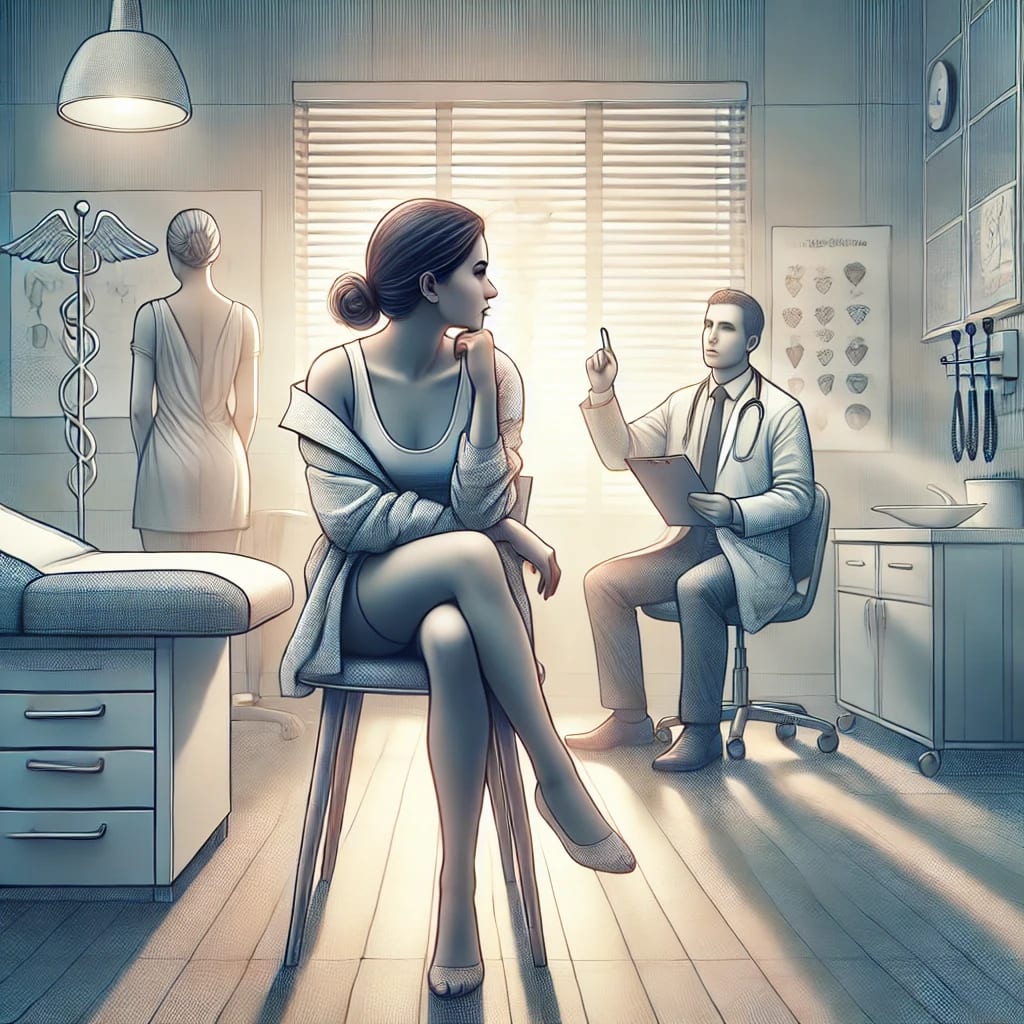
For decades, women’s health issues have been marginalized, ignored, and dismissed by medical professionals, leaving many to endure unnecessary suffering. Despite expressing genuine concerns about their health, women often face disregard or inadequate care, sometimes leading to long delays in diagnosis or treatment. The media, however, is beginning to shine a much-needed spotlight on this issue, with stories of women’s struggles starting to resonate with the public. This growing visibility is catalyzing change, helping to raise awareness of systemic flaws in healthcare and challenging long-standing biases that have made many women’s health concerns invisible.
Historical Neglect of Women’s Health Care
The neglect of women’s health issues is not a new phenomenon. Over the years, many women have shared their painful experiences of being dismissed by healthcare professionals when seeking help for reproductive health problems, chronic pain, or other conditions traditionally associated with women’s health. These stories often involve a pattern of doctors underestimating or ignoring the severity of symptoms, attributing them to factors like emotional instability or stress, rather than diagnosing the underlying medical conditions.
One significant area where this bias has been evident is in the treatment of pain. Numerous studies have shown that women’s pain is often downplayed compared to men’s. A 2001 study published in the Journal of Law, Medicine & Ethics revealed that women are more likely to be undertreated for pain, receive fewer prescriptions for pain medications, and be less frequently subjected to essential diagnostic tests, such as stress testing for chest pain.
This systemic disregard has led many women to seek alternative treatments, often from unproven or questionable sources, driven by frustration and dissatisfaction with conventional medical care.
Women’s Stories That Sparked a Movement
In recent years, high-profile women have shared their personal health battles, helping to amplify the conversation about the deficiencies in women’s healthcare. These stories, often shared through prominent media outlets, have spurred discussions that challenge outdated perceptions and push for much-needed reform.
Serena Williams: A Life-Saving Fight for Proper Diagnosis
In 2018, tennis icon Serena Williams revealed her near-death experience following a C-section in 2017. Despite being a world-class athlete, Williams’ life was threatened when doctors initially dismissed her concerns about pulmonary embolism—a condition she had previously suffered from. Her persistence in advocating for her health ultimately led to a life-saving intervention. This incident highlighted the alarming reality that even women of great influence and physical stature face serious healthcare challenges when their symptoms are dismissed.
Lena Dunham: A Decade of Misdiagnosis
Similarly, actress and writer Lena Dunham chronicled her decade-long struggle with endometriosis, a condition that affects one in ten women. Despite undergoing multiple procedures and medical consultations, Dunham’s condition went undiagnosed until she had a hysterectomy at age 31. After the surgery, her doctors acknowledged the severity of the disease, confirming what Dunham had known all along: her pain was real. Her story emphasizes the importance of early diagnosis and the critical need for doctors to take women’s health concerns seriously.
The Struggles of Black Women in Maternal Health
One of the most tragic manifestations of this health care crisis involves the maternal mortality rates among Black women in the United States. A 2018 exposé in The New York Times highlighted the story of Simone Landrum, a 23-year-old Black woman who lost her baby due to undetected preeclampsia. Landrum’s persistent complaints about severe headaches were dismissed by doctors, who advised her to simply “calm down” and take Tylenol. Sadly, Landrum’s situation is not an isolated case, as Black women are disproportionately affected by higher rates of maternal mortality in the U.S.
The Rise of "Health-Care Gaslighting"
The term “health-care gaslighting,” coined by Sasha Ottey, founder of the NGO PCOS Challenge, captures the essence of this issue. Health-care gaslighting occurs when women’s legitimate health concerns are ignored, minimized, or dismissed by medical professionals. For women with conditions such as Polycystic Ovary Syndrome (PCOS), endometriosis, and uterine fibroids, this experience is all too common.
Ottey, who was herself dismissed by doctors who attributed her symptoms to weight gain, has been an outspoken advocate for raising awareness about the bias and prejudice that women face in healthcare. Weight bias, in particular, remains a significant barrier to proper diagnosis and treatment. Many women with chronic conditions are often told to lose weight, without addressing the underlying health issues that are contributing to their symptoms.
Media as a Catalyst for Change
The media has played a pivotal role in bringing attention to women’s health issues that were previously ignored or misunderstood. Documentaries, podcasts, and social media campaigns have provided a platform for women to share their stories and advocate for change.
Documentaries and Podcasts: Uncovering Hidden Health Issues
Netflix’s The Bleeding Edge is one such documentary that highlighted the risks associated with inadequately tested medical devices sold to women. The film focused on the Essure birth control implant, which was linked to numerous health problems but remained on the market despite widespread complaints. The documentary revealed the dangers of regulatory failures and the vulnerability of women to unsafe medical products.
Another notable example is the KCRW podcast Bodies, which delves into medical mysteries and personal health stories. One episode focuses on vulvodynia, a painful condition that affects many women but is often undiagnosed due to a lack of awareness among healthcare providers. These stories help raise awareness of conditions that are frequently overlooked or misdiagnosed.
Social Media Advocacy: Connecting Women and Amplifying Voices
Social media has been crucial in building a community of women who share common experiences. One of the most significant examples of this is Angie Firmalino’s Facebook page, created in 2011 to warn others about the dangers of the Essure device. By 2018, the page had amassed over 35,000 members, who used the platform to raise awareness, support each other, and push for accountability from healthcare institutions and regulatory agencies.
Social media has created a “strength in numbers” effect, enabling women to find solidarity and collectively amplify their voices. This sense of community has allowed for greater visibility of women’s health issues, which were previously ignored or downplayed in mainstream medical discourse.
What’s Driving the Change?
Several factors are contributing to the growing awareness of women’s health disparities and the movement for change. Dr. Katherine Sherif, head of women’s primary care at Jefferson University Hospital, attributes much of the recent push to social movements like #MeToo, which have empowered women to speak out against injustices in various sectors, including healthcare. These movements have given women the courage to demand that their voices be heard and their health concerns be taken seriously.
Sasha Ottey also believes that the rise of social media has played a critical role in giving women a platform to share their experiences and raise awareness. When Ottey was fighting for a proper diagnosis of her PCOS in 2008, she felt isolated and alone. Today, however, the growing number of women sharing their stories and advocating for better care is creating a powerful movement for change.
Looking Ahead: A Call for Reform
While increased awareness of women’s healthcare disparities is a crucial step forward, it is only the beginning. To create lasting change, healthcare systems must:
1. Acknowledge Bias: Medical professionals need to recognize the unconscious biases that influence their interactions with female patients, particularly those from marginalized groups. By addressing these biases, healthcare providers can improve their ability to deliver equitable and accurate care.
2. Improve Training: It is essential that medical practitioners receive training on conditions that disproportionately affect women, such as PCOS, endometriosis, and vulvodynia. Providing comprehensive education on these disorders will help ensure that healthcare providers can diagnose and treat them effectively.
3. Prioritize Listening: Doctors must learn to listen to their patients, treating them as active partners in their healthcare. By acknowledging women’s experiences and concerns, physicians can improve the quality of care and foster trust between patients and providers.
Final Thoughts
The stories of Serena Williams, Lena Dunham, and many others have ignited a much-needed conversation about the inequities that women face in healthcare. Thanks to the power of media, advocacy, and collective action, women are now speaking up and demanding the care and attention they deserve. As Dr. Katherine Sherif aptly puts it, “Shining a light on these issues gives us the courage to address them.”
As women continue to reclaim their voices and challenge systemic flaws, the goal is to create a healthcare system that listens, understands, and prioritizes their needs. With continued advocacy and a commitment to change, we can ensure that future generations of women receive the care they deserve—care that is informed, compassionate, and free from bias.
---
About the Creator
Keep reading
More stories from Mohammed Ebrahim Ali and writers in Families and other communities.
10 Proven Ways to Boost Your Mental Health This Year
In today’s fast-paced world, maintaining mental health is essential for overall well-being. As stress levels rise and lifestyles grow increasingly demanding, focusing on mental wellness is more important than ever. This guide explores ten proven strategies to help you enhance your mental health, manage stress, and achieve emotional balance. From incorporating simple daily habits to seeking professional support, these methods are designed to improve your life holistically.
By Mohammed Ebrahim Ali about a year ago in Lifehack
Wise~Guys
— Look Behind what's in Front of You ~ Make Good Choices — Hey, So how you Doin'..! Made~Men — Mobster Movies romanticise a distinctive, elegant appearance, impeccable attire style, along with the 'Families' expressive lingo. Making their 'Bones' gave them Panache — with vintage fedoras, tailored pin-striped suits, mirror-polished wing-tip shoes adorned with tassels; with their 'Gun Moll' gorgeous dates on their arms.
By Jay Kantor19 days ago in Families
Bettijo Hirschi
Introduction Bettijo Hirschi is a multi‑talented creative professional from the United States. She works as a designer, art director, photographer, writer, and event planner. Bettijo has built a long career in creative work and media. People know her for her artistic skills, her work in magazines and television, and her lifestyle blog. She is also known in recent news because of changes in her personal life.
By Farhan Sayed4 days ago in Families




Comments
There are no comments for this story
Be the first to respond and start the conversation.